Pregnancy, Heart And Back Conditions: Who Cannot Helmet Dive
The operator's own advisory names pregnancy, poor cardiovascular health and spinal injuries as reasons not to take the helmet dive or SNUBA. Here is what that advisory means, how to use it, and which formats remain open when it rules one out.
Short answer
The operator advises that the helmet dive and SNUBA are not recommended for pregnant travelers, travelers with poor cardiovascular health or travelers with spinal injuries. No other medical statement exists for these products. Read the advisory on the booking page, ask the operator about a personal situation, and speak to a doctor before deciding.
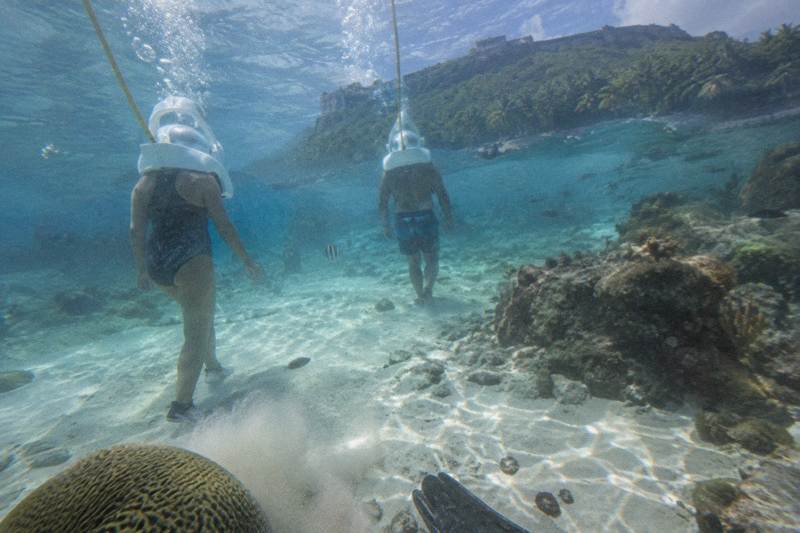
Helmet diving in St Lucia asks very little of the body: no swimming, a walk on the seabed, and a helmet that keeps head and face dry. That low bar is exactly why the medical advisory attached to it surprises people. This one sits in the beginner underwater tours in St Lucia hub, and it answers the narrow question that hub cannot: who the operator says should not go, and what remains bookable when that advisory applies.
| Fact | Detail |
|---|---|
| Operator advisory, helmet dive | Not recommended for pregnant travelers, travelers with poor cardiovascular health or spinal injuries |
| Operator advisory, SNUBA | The same three groups are not recommended |
| Who published the advisory | The operator's booking page, Sealife Paradise |
| Minimum age, helmet dive | 8 |
| Minimum age, SNUBA | 8 |
| Minimum age, beach snorkel | 6 |
| Swimming needed, helmet dive | No |
| Swimming needed, snorkel lines | Yes |
| Cancellation policy | Free cancellation up to 24 hours before start |
What The Operator's Medical Advisory Actually Says
The advisory names exactly three groups: pregnant travelers, travelers with poor cardiovascular health, and travelers with spinal injuries. It applies to both the helmet walk and SNUBA, it comes from the operator's own booking page, and nothing beyond it has been published about any other condition. There is no operator statement on asthma, medication, blood pressure, ears or anything else, so no other condition can be addressed here.
That is the whole advisory. Sealife Paradise, the operator behind "SeaTrek St. Lucia" (the Seabed Helmet Walk, No Swimming) and "SNUBA Saint Lucia", carries the same three-line caution on both products. It is not a legal ban and not a medical diagnosis; it is the operator saying, in effect, that these sessions are not the right place for those three situations.
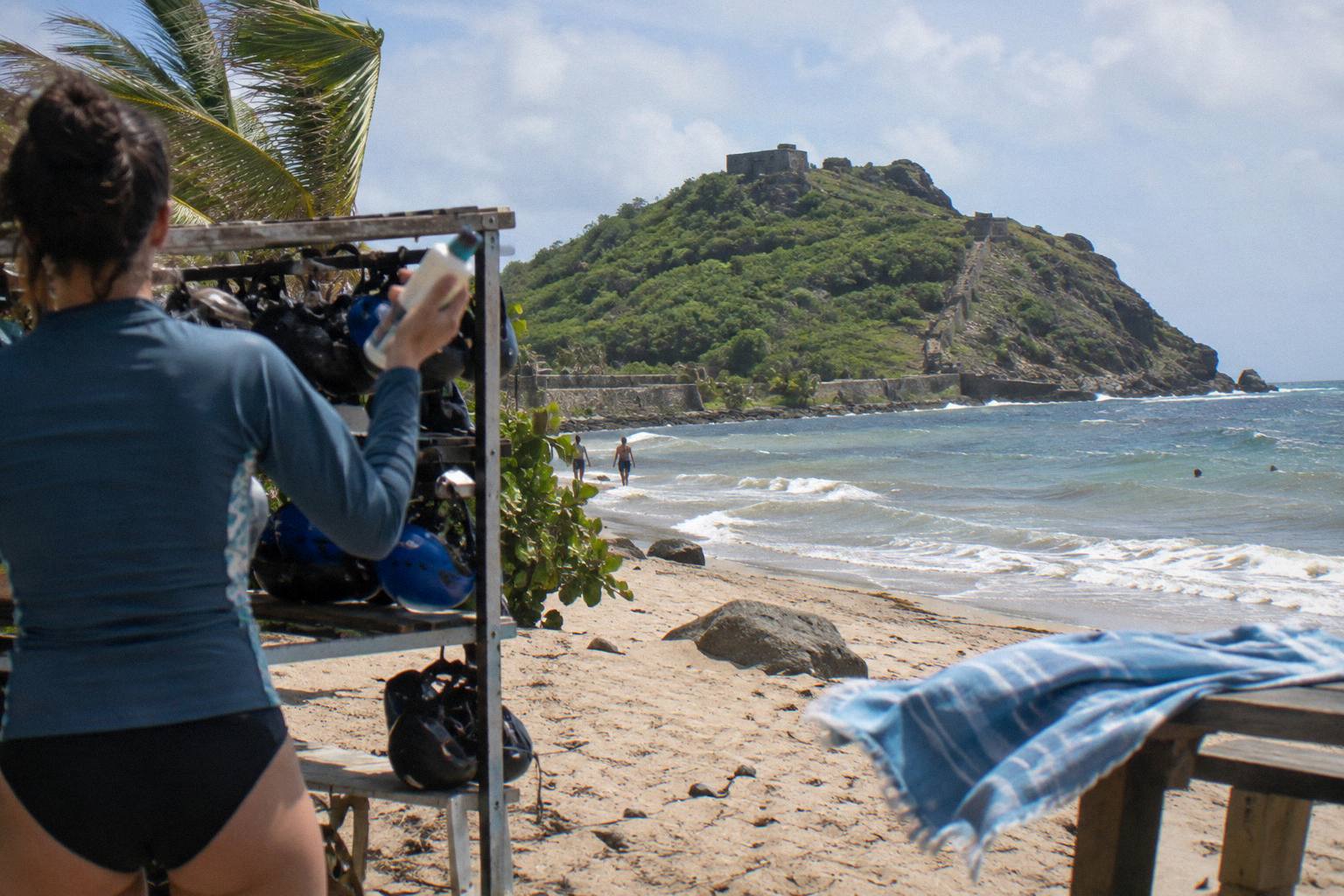
The manufacturer of the helmet system, SeaTrek by Sub Sea Systems, describes the equipment itself on the manufacturer's SeaTrek page: air arrives by hose from a surface air center, the helmet rests on the shoulders, and trained and certified guides accompany every tour. The manufacturer's page is where the engineering claims live. The advisory, by contrast, lives with the operator, and the operator's tours page at the operator's own tours page lists the experiences it runs at Pigeon Island.
Two practical points follow. First, the advisory is short, so a reader with any condition outside those three lines is not being told yes or no by anyone; they are being told to ask. Second, the advisory is on the booking page itself, which means it is visible before payment, and every tour compared here carries free cancellation up to 24 hours before start, which matters if a question surfaces after booking. For a fuller picture of how the session runs, the guide on how helmet diving works, air hose and helmet explained covers the mechanics.
Helmet Diving And Pregnancy: How To Use The Advisory
Pregnancy is the first named group, and the advisory's wording is "not recommended", not "prohibited". The right response is three steps: read the advisory on the booking page before booking, ask the operator directly about the stage and circumstances of the pregnancy, and take the final call from a doctor who knows the pregnancy. Nothing published by the operator or manufacturer goes further than those three words.
Why the wording stops there matters. Operators write advisories conservatively because they cannot assess individual pregnancies at a beach briefing. A first-trimester traveler and a near-term traveler are different situations, and the operator's staff are not the people who distinguish them. The advisory hands the decision to the traveler and their doctor, which is why "ask the operator and a doctor" is the only sound routing, and it applies once per question, not repeatedly.
What remains open during pregnancy, judged only by what the tours on this site themselves carry? The beach snorkel product, "Snorkeling at Pigeon Island" (Beach Snorkel, Equipment Included), from US$70 per person for 1 hour 30 minutes, carries no medical advisory line at all and needs swimming ability. The boat snorkel with lunch carries no advisory either. Neither line mentions pregnancy, so a reader who wants a decision on either should ask the operator, once, before booking. The Saint Lucia Tourism Authority's beach safety guidance, on the Saint Lucia tourism beach safety page, recommends never snorkeling alone and minding boat traffic, which applies regardless of who is in the water.
A reader working through this exact question may also want the sibling post on whether SNUBA is safe for beginners, which covers the same advisory from the SNUBA side.
The band above shows the three formats the comparison keeps returning to: the helmet walk, SNUBA, and the beach snorkel. Each has its own card, its own price and its own flags, and the question of which one fits a medical situation is exactly what the rest of the comparison works through.
Heart Conditions And Spinal Injuries: Reading The Advisory Before You Book
Poor cardiovascular health and spinal injuries are the other two named groups, for both the helmet walk and SNUBA. The practical move is identical: read the advisory on the booking page, then ask the operator the specific question, then confirm with a doctor who knows the history. No tour compared here lists a medical questionnaire, so the onus is on the traveler to raise it.
"Heart condition" is a wide label, and that width is deliberate. The operator cannot grade one heart condition against another at check-in, so the advisory sweeps broadly and pushes the individual assessment outward. The same is true of spinal injuries: the helmet rests on the shoulders, per the manufacturer's description, and a back or neck history is a question for the person who treated it.
There is a natural temptation to hunt for a loophole, usually phrased as "but I only walk on the seabed". Resist it. The session runs 1 hour 30 minutes in total with about 10 minutes of briefing and about 25 minutes underwater per the tours here, which sounds gentle, but gentle is a comfort claim, not a medical clearance, and no one at the beach can give one. The guide on whether helmet diving is safe, risks and limits treats the wider safety picture; here the focus stays on the advisory itself.
One more routing line belongs here. If the trip involves flying soon after, the question of a surface interval is a scuba question: the Divers Alert Network gives 12 hours after a single no-decompression dive and 18 hours after multiple dives or multiple days on the DAN flying after diving page. That guidance is for scuba; no equivalent interval has been published for helmet diving or SNUBA, so ask the operator about those two formats rather than applying the scuba numbers.
The helmet walk remains the most accessible format among the tours on this site for anyone the advisory does not cover, and the operator answers pre-booking questions about medical history directly. Check the live price on the booking page, since amounts vary by date and group, and the free-cancellation window up to 24 hours before start gives room if a doctor's answer changes the plan. The full Seabed Helmet Walk page lays out the inclusions, the pickup area and the from-price in one place, and it reads well alongside the advisory.
SNUBA And The Snorkel Lines: What Each Format Says
SNUBA carries the same three-line advisory as the helmet walk, because the same operator runs both. The snorkel products compared here carry no medical advisory lines at all, but each has its own requirements: every snorkel line needs swimming ability, and the two boat-based snorkel tours run 5 hours with lunch. Format choice after an advisory comes down to swimming ability, age and stamina, not medical statements the products do not make.
"SNUBA Saint Lucia" (SNUBA, Surface Raft Air Hose) is from US$112 per person, runs 1 hour 30 minutes, takes ages 8 and up, and caps the group at 14. The operator's own description calls it "a cross between snorkeling and scuba diving", with a regulator fed from a floating raft, no tank and no certification. Because the operator's advisory covers SeaTrek and SNUBA together, the pregnancy, cardiovascular and spinal lines travel with it; a reader ruled off one is ruled off the other until the operator says otherwise. The comparison guide on SNUBA at Pigeon Island versus the helmet dive sets the two side by side on every other axis.
The snorkel lines are where the advisory thins out. "Snorkeling at Pigeon Island" from US$70 needs swimming ability and takes ages 6 and up. "St Lucia Snorkeling Tour with Lunch" from US$83 per person is a 5-hour boat day from Marigot Bay with lunch and pickup from northern to western island locations; the tour's entry notes a 10% per person government VAT payable at check-in on top of the listed price. Neither carries a medical advisory, but both require confident swimming, and a 5-hour boat day is a stamina question worth weighing carefully.
The scuba lines belong to a different operator, Dive Fair Helen, and both are certified-or-training products rather than casual alternatives: "St Lucia Beginner Scuba Diving Tour" from US$132, ages 12 and up, 5 hours with a training session and one tank dive; the certified tour from US$116 with the same age floor. Anyone considering scuba with a heart or back history should ask that operator directly, since no advisory for those lines appears here.
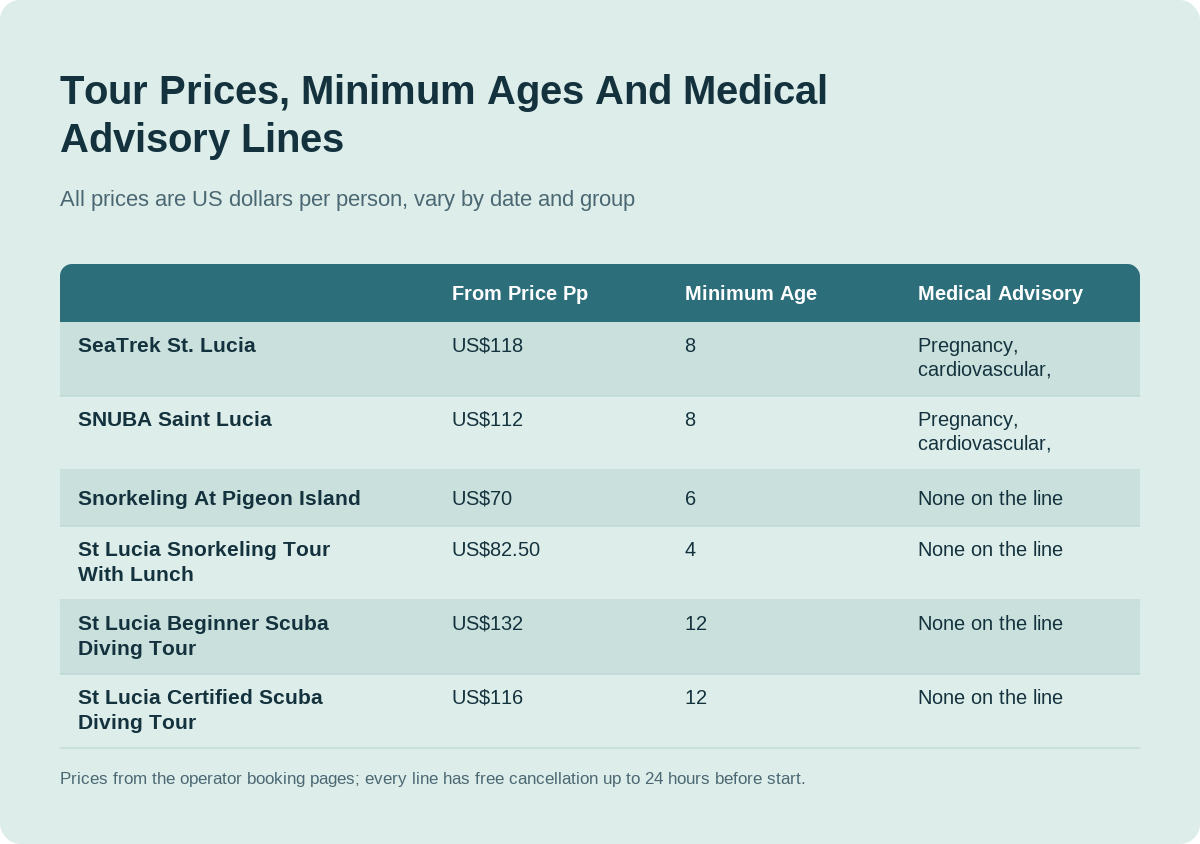
| Product | From price per person | Duration | Minimum age | Swimming needed | Medical advisory on the tour line |
|---|---|---|---|---|---|
| SeaTrek St. Lucia | US$118 | 1 hour 30 minutes | 8 | No | Pregnancy, cardiovascular, spinal |
| SNUBA Saint Lucia | US$112 | 1 hour 30 minutes | 8 | Not flagged | Pregnancy, cardiovascular, spinal |
| Snorkeling at Pigeon Island | US$70 | 1 hour 30 minutes | 6 | Yes | None on the line |
| St Lucia Snorkeling Tour with Lunch | US$83 | 5 hours | 4 | Yes | None on the line |
| St Lucia Beginner Scuba Diving Tour | US$132 | 5 hours | 12 | Not flagged | None on the line |
| St Lucia Certified Scuba Diving Tour | US$116 | 5 hours | 12 | Not flagged | None on the line |
All prices are US dollars, per person, vary by date and group, and the booking page shows the price for the chosen date. Every line in the table carries free cancellation up to 24 hours before start.
The SNUBA card above matters most to readers whose advisory question is pregnancy alone and who want to hear it from the source before writing off the water entirely. Check dates on the booking page and ask the operator the question directly; the answer is theirs to give.
Formats By Minimum Age And Swimming Need
When the advisory rules out the helmet walk, the choice narrows to what each remaining line demands. Ages split cleanly: helmet and SNUBA take 8 and up, the beach snorkel takes 6 and up, the boat snorkel with lunch takes 4 and up, and both scuba lines take 12 and up. Swimming splits the tours on this site the other way: only the helmet line says no swimming is required, while every snorkel line requires it.
That last point decides more family plans than any price. A non-swimming adult ruled off the helmet dive by the advisory has no product among the tours on this site that replaces it without swimming, which is an uncomfortable fact but a true one. A swimming adult has the full snorkel and scuba set to choose from. A family with children under 8 in the same party faces a related split, covered fully in the article on age limits and kids on a SeaTrek dive.
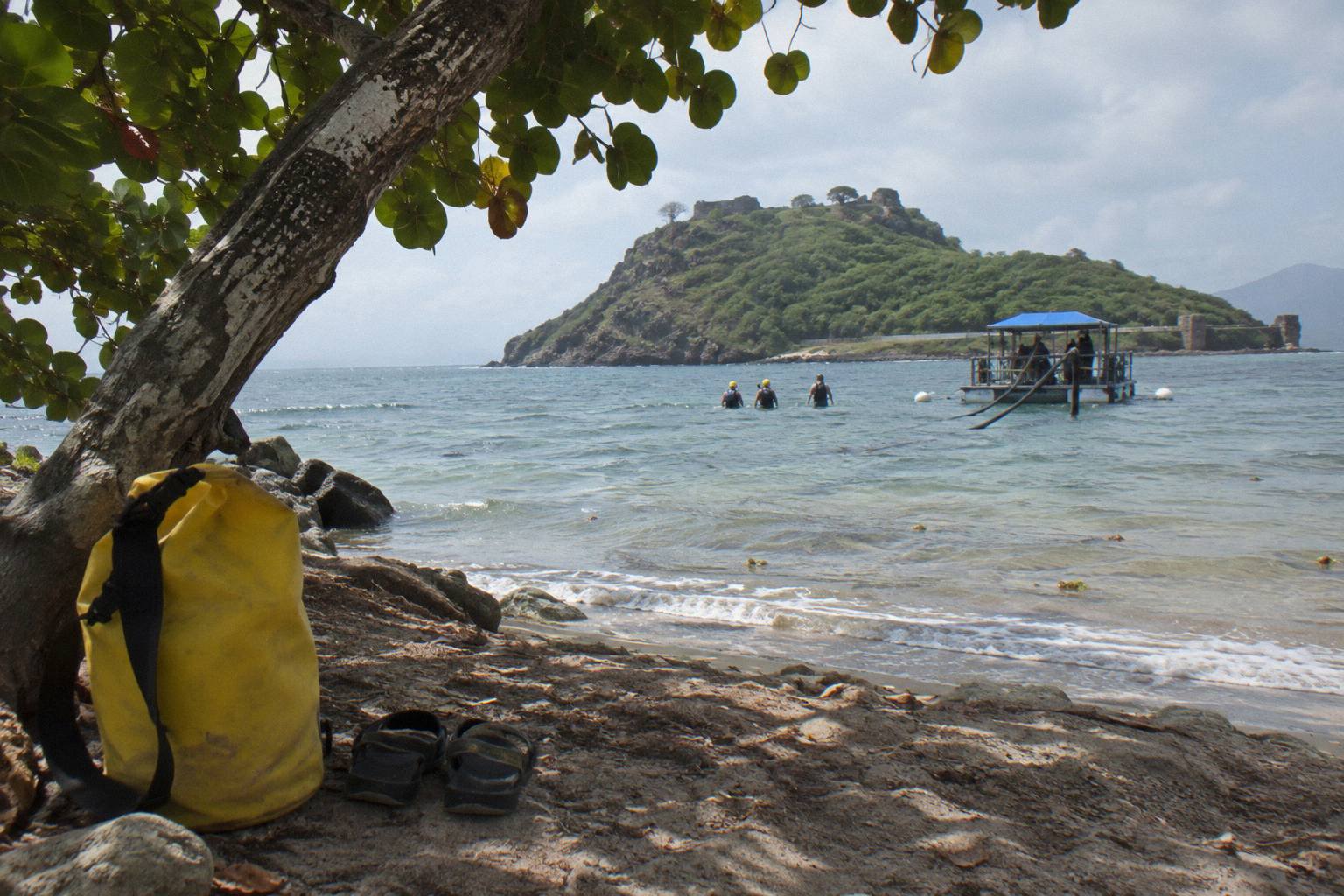
Pickup areas matter too, because they shape which lines are even reachable. The Sealife Paradise products at Pigeon Island include pickup from hotels in the north of the island only, with the exact meeting point on the booking confirmation. The Dive Fair Helen lines pick up from northern to western island locations and explicitly not from the south: Soufriere, Vieux Fort, Micoud and Dennery are named as excluded on those lines. The beach snorkel at Pigeon Island includes no pickup at all, so it suits readers staying in Gros Islet or Rodney Bay already. The getting-there detail is covered in getting to Pigeon Island from Rodney Bay, Castries and the cruise ports.
| Format | Minimum age | Swimming | Pickup | Best fit when the advisory applies |
|---|---|---|---|---|
| Beach snorkel, Pigeon Island | 6 | Required | Not included | Confident swimmer wanting a short, independent session |
| Boat snorkel with lunch | 4 | Required | Northern to western locations | Families wanting a full-day alternative |
| Beginner scuba | 12 | Not flagged | Northern to western locations | Swimmers 12 and up wanting a first dive |
| Certified scuba | 12 | Not flagged | Northern to western locations | Already-certified divers in the party |
| Helmet walk | 8 | Not required | Northern hotels only | Only if the advisory does not apply |
| SNUBA | 8 | Not flagged | Northern hotels only | Only if the advisory does not apply |
The two bottom rows are deliberately last: for a reader the advisory names, they are the formats to settle last, after the operator and a doctor have both spoken. Check the live price for whichever line survives that conversation, because every figure here is a from-price that moves with date and group.
Doctors, Booking Pages And The Order To Ask In
There is a sequence that works, and it is short. Read the advisory on the booking page first, so the question is precise. Then ask the operator the specific question, by message, before paying. Then, for anything involving pregnancy, heart history or spine, put the operator's answer in front of a doctor who knows the history and let the doctor close the question. Booking last protects the free-cancellation window.
| Situation | First step | Second step | Who decides |
|---|---|---|---|
| Pregnancy | Read the advisory on the booking page | Ask the operator the week and stage | A doctor who knows the pregnancy |
| Heart history | Read the advisory on the booking page | Ask the operator the named condition | The treating doctor |
| Spinal injury | Read the advisory on the booking page | Ask the operator the recovery status | The treating doctor |
| A condition the advisory does not name | Ask the operator once, by message | Stop researching after the answer | The traveler, with the operator's answer |
| Flying after the session | Ask the operator once | Note the DAN figures apply to scuba only | The operator for helmet and SNUBA |
The order matters because each step filters noise out of the next. The advisory tells a reader which three situations are in scope. The operator can say what their session actually involves within the tour figures: 1 hour 30 minutes total, about 10 minutes of briefing, about 25 minutes underwater, guides on every tour per the manufacturer. A doctor turns that description into a yes or no for one specific body. Skipping a step usually means asking the beach staff a question they cannot answer at 9:30 on a busy morning.
Write the question down before asking it. "I am pregnant, week X, is your advisory absolute or case by case?" gets a usable answer; "is it okay for me?" does not. The same discipline applies to heart and spine: name the condition, name the recovery status if relevant, and ask whether the operator's answer changes anything. Every tour compared here can be cancelled free up to 24 hours before start, so a doctor's appointment that lands after booking does not put the money at risk if the answer is no.
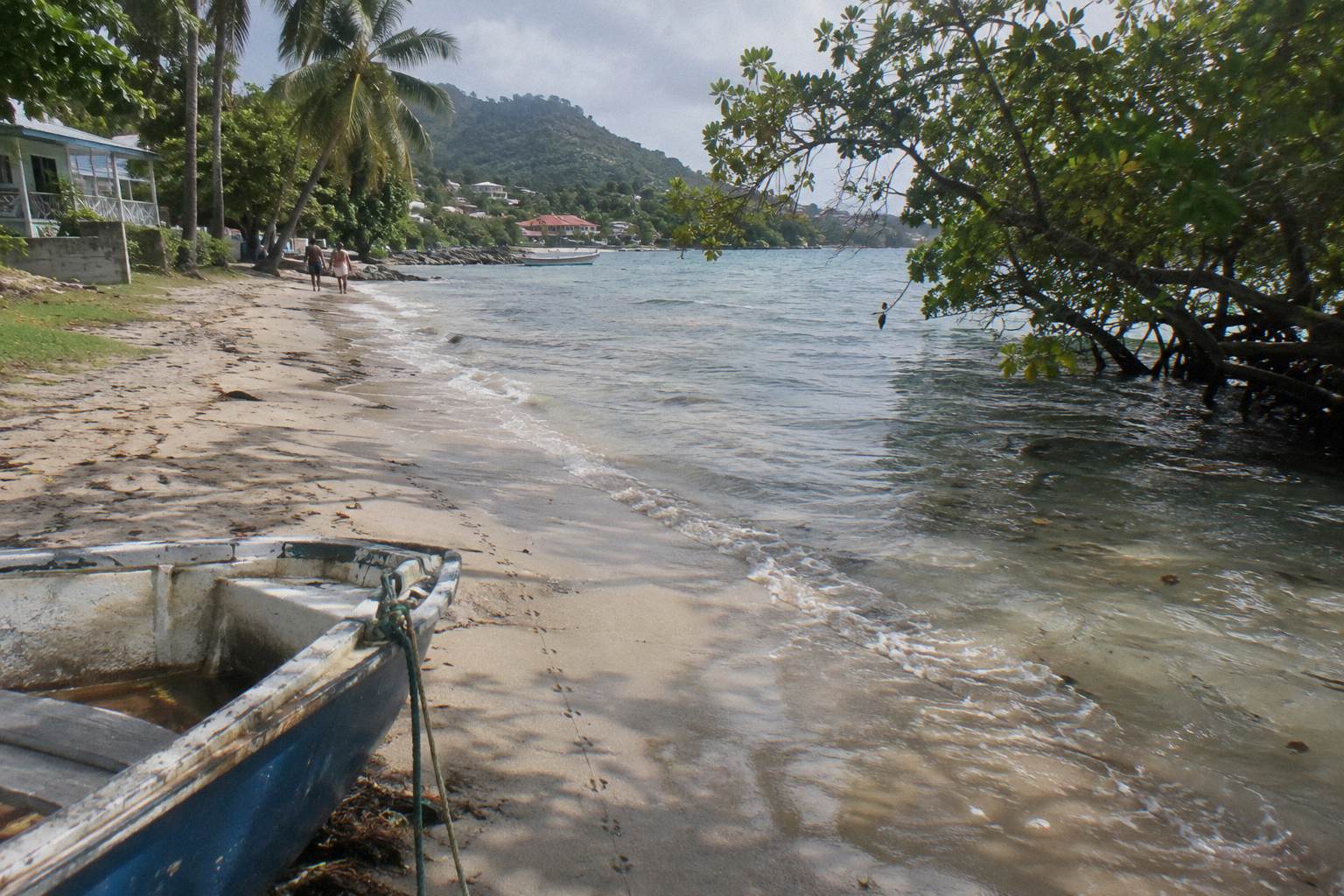
One caution on timing: hurricane season runs June 1 to November 30 per the US National Hurricane Center, and the rainy season June to December, with the driest and busiest stretch December to April. Weather decides what runs on any given day, so an operator's "yes" is always contingent on conditions, as the Saint Lucia tourism seasons and weather page makes clear for the island generally.
For readers the advisory has already ruled off the two Pigeon Island dive formats, the boat snorkel day above is the strongest alternative among the tours here that carries no advisory line: 5 hours, lunch, drinks, equipment, from US$83 plus the 10% VAT at check-in, and swimming ability is required. See dates on the booking page before committing a full day.
How To Decide When The Advisory Might Apply To You
Ask one question per condition, in one place each. If the pregnancy, heart or spine line applies, the decision belongs to a doctor who has heard the operator's description, not to a website, a review or a friend who went last year. If none of the three applies, the advisory names nothing further, and the choice becomes the ordinary one of format, age and swimming ability covered in the tables above.
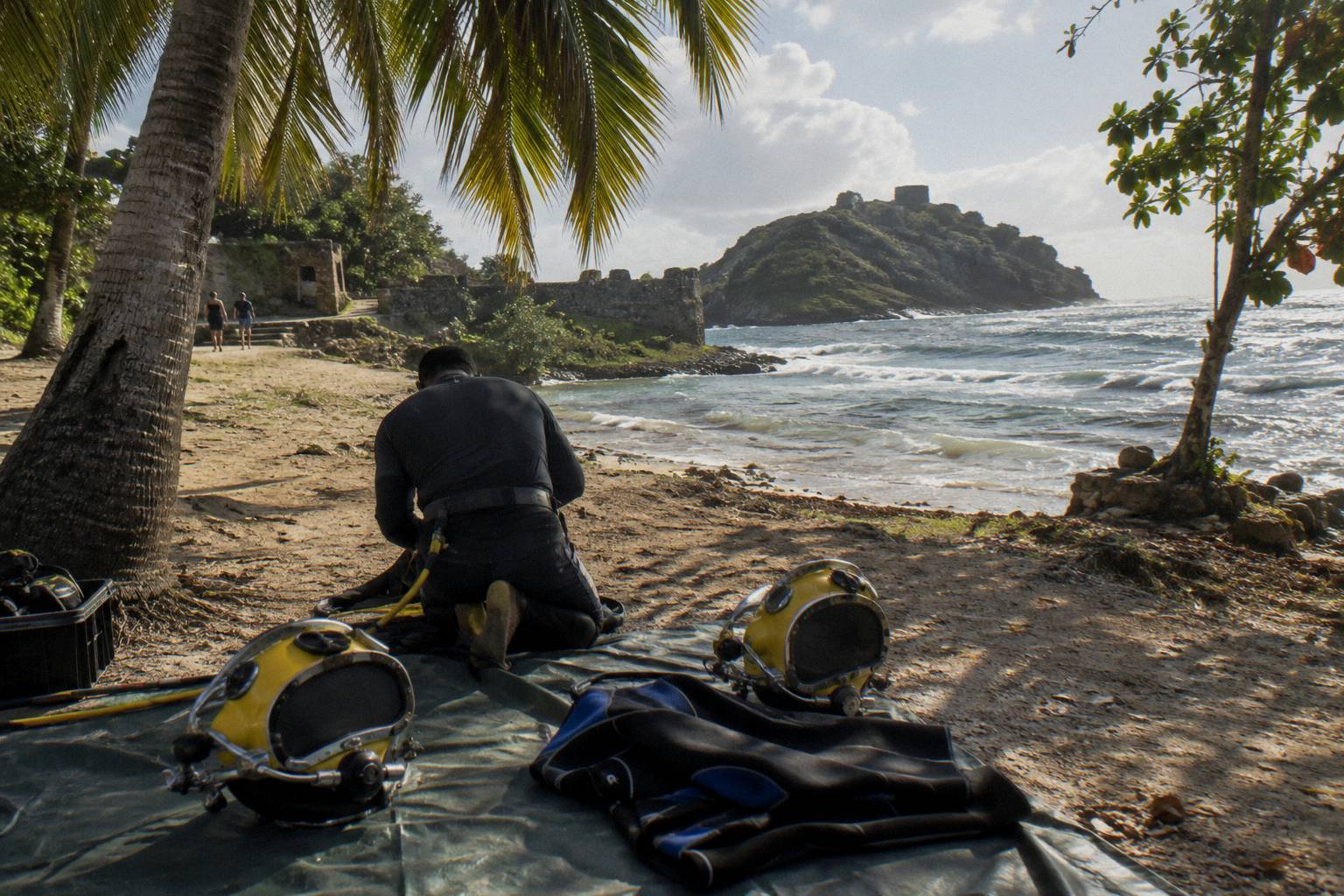
Start by matching yourself against the advisory's own words, not against a paraphrase. "Poor cardiovascular health" is not the same as "takes a beta blocker" or "gets winded on stairs", and no page can map those phrases for an individual reader; that mapping is the doctor's job. The same discipline guards against the opposite error, assuming a minor issue triggers the advisory when it may not concern the operator at all. Ask the operator once, then stop researching.
For families, the advisory can split a party: one adult named by it, everyone else clear. In that case the practical shape is a beach-based plan, since Pigeon Island gives the split party a shared venue: the National Landmark's 44 acres hold Fort Rodney, Signal Peak, a museum and the beach, open daily 9:30 am to 5:00 pm with last entry 4:15 pm and non-resident entry of US$10 for adults 13 and over and US$3 for children 5 to 12 per the National Trust, fees that can change and that no tour price here includes or excludes. While one person sits the dive out, the others can be underwater for about 25 minutes on the helmet line. The landmark itself is described on the Saint Lucia tourism Pigeon Island page.
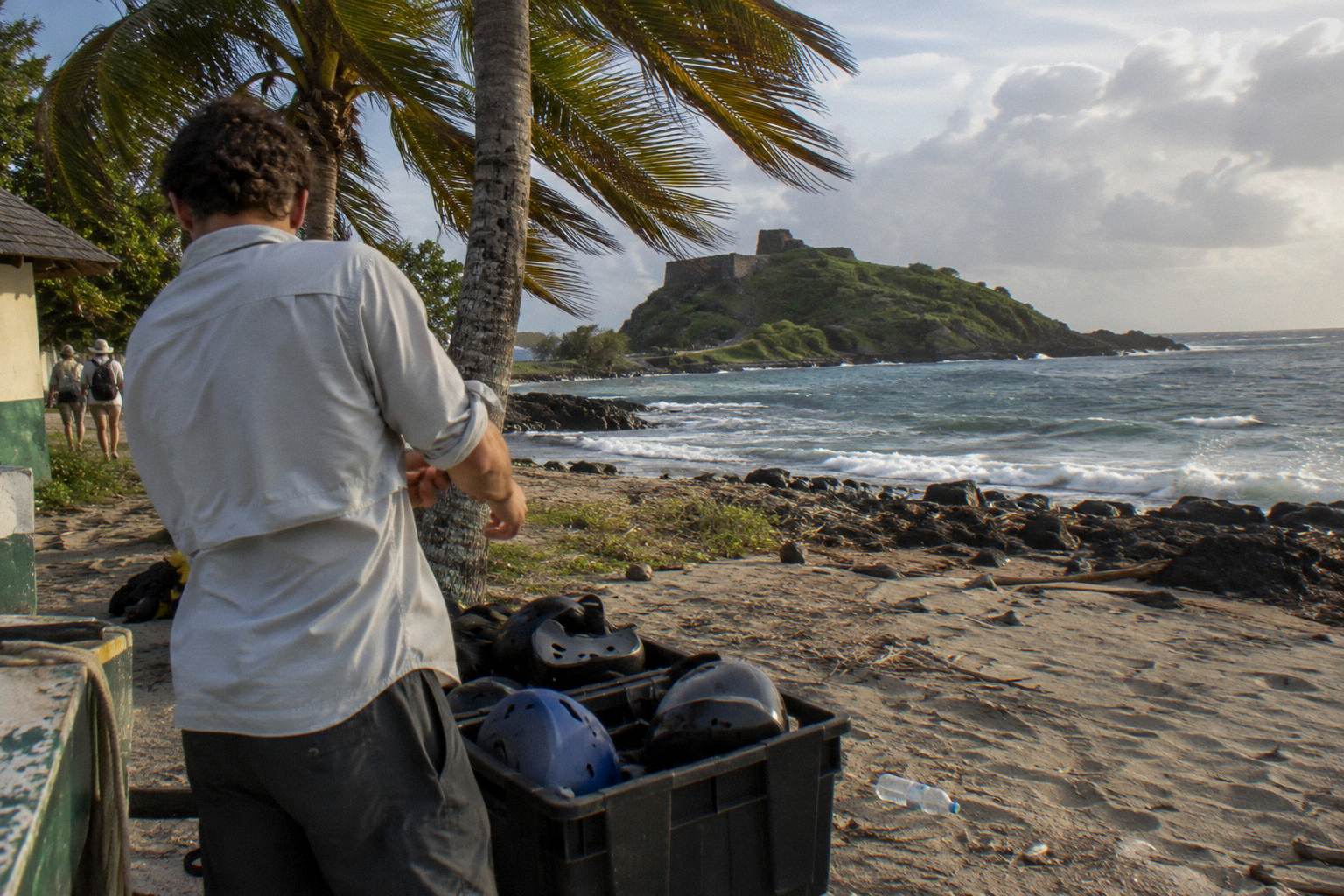
Sea temperature sits between 26 and 29 C (79 to 84 F) all year per the Tourism Authority, with mornings generally the calmest and clearest, which is why so many underwater tours start early and why a morning doctor's call can still leave time to rebook within the same trip if the answer is yes.
It suits a split party perfectly: minimal logistics, same beach as the helmet operation, and equipment included in the price.
What Trips People Up Before You Book
The recurring mistakes are reading the advisory as a blanket no when it names three specific groups, treating a review or a friend's experience as medical clearance, showing up at the beach with an unasked question, and assuming the snorkel lines carry the same restrictions when in fact they carry none but need swimming. Each mistake is avoidable with one message to the operator and, where the advisory applies, one conversation with a doctor.
First, the paraphrase trap. People retell the advisory as "pregnant women can't dive", which quietly widens it and sometimes narrows it. The operator's words cover pregnancy, poor cardiovascular health and spinal injuries across the helmet and SNUBA products; that is the whole surface area, and it is worth quoting exactly when asking follow-up questions.
Second, substitution of authority. A review is not an advisory, and no review is quoted here for that reason. A doctor who has never heard the session described cannot clear it either, which is why the operator's description goes to the doctor, not just the diagnosis. The manufacturer's page explains the equipment; the operator's booking page carries the advisory; the doctor carries the decision. Keep those three in their lanes and the mistakes mostly evaporate.
Third, the beach ambush. Arriving with an undisclosed condition puts guide staff in an impossible spot and can end the session before it starts. The booking page shows the advisory before payment, so there is no scenario where reading it costs anything; asking by message before travel costs one email. Fourth, the stamina blind spot: a 5-hour boat snorkel is not a soft fallback for someone whose heart history prompted the advisory in the first place, even though the boat line carries no advisory of its own. Choose the fallback with the same care as the original.
Common Questions About Medical Limits On Underwater Tours
Can I Go Helmet Diving While Pregnant?
The operator's advisory says the helmet dive is not recommended for pregnant travelers. Read the advisory on the booking page, ask the operator directly, and let a doctor who knows the pregnancy make the final call.
Does The Same Advisory Apply To SNUBA?
Yes. The operator, Sealife Paradise, carries the same three-line advisory on both the helmet walk and SNUBA: not recommended for pregnant travelers, travelers with poor cardiovascular health or spinal injuries.
What If I Have A Heart Condition?
"Poor cardiovascular health" is one of the three named groups, so the same routing applies: ask the operator the specific question before booking, then confirm with the doctor who knows the history.
What About A Back Or Spinal Injury?
Spinal injuries are the third named group in the operator's advisory. The helmet rests on the shoulders per the manufacturer's description, so raise the specific injury with the operator and with the treating doctor before booking.
Which Underwater Tours Can I Book If The Advisory Rules The Helmet Dive Out?
The snorkel and scuba lines carry no advisory lines in the tours on this site, but every snorkel line requires swimming ability, the boat tours run 5 hours, and both scuba lines take ages 12 and up. Ask the relevant operator about any medical situation before booking.
Do I Need To Wait Before Flying After Helmet Diving Or SNUBA?
No surface interval has been published for helmet diving or SNUBA. The DAN figures of 12 and 18 hours apply to scuba; ask the operator about the helmet walk or SNUBA before a same-day flight.
A last framing thought from St Lucia Helmet Dive: the advisory exists so that the people who should not walk the seabed find out before they are standing on it in a helmet. Three named groups, one short message to the operator, one doctor's appointment where it matters, and every tour compared here cancellable free up to 24 hours before start. That is the entire decision, and it fits inside a morning.