How Deep And How Long A Helmet Dive Lasts, Minute By Minute
A helmet dive session runs 1 hour 30 minutes from start to finish, with about 10 minutes of briefing and about 25 minutes actually underwater. Here is how the whole 90 minutes breaks down, how long every other beginner underwater product lasts, and what turns one into a half day.
Short answer
The helmet dive runs 1 hour 30 minutes in total: about 10 minutes of briefing, about 25 minutes on the seabed, and the rest split between gearing up and the surrounding logistics. Depth is set by the operator's route, so ask them directly. SNUBA and the beach snorkel also run 1 hour 30 minutes, while the scuba and boat snorkel tours run 5 hours.
If you are weighing an underwater session against everything else on your St Lucia itinerary, the durations matter as much as the activity itself. The tours on this site come from the beginner underwater tours in St Lucia family, alongside the helmet walk, SNUBA and beginner scuba options, and it works through the clock on each of them.
| Fact | Detail |
|---|---|
| Helmet dive total duration | 1 hour 30 minutes |
| Briefing | About 10 minutes |
| Time underwater | About 25 minutes |
| Minimum age (helmet dive) | 8 |
| Swimming needed (helmet dive) | No |
| SNUBA duration | 1 hour 30 minutes |
| Beach snorkel duration | 1 hour 30 minutes |
| Cancellation (all listed tours) | Free up to 24 hours before start |
How Long Does A Helmet Dive Last In Total?
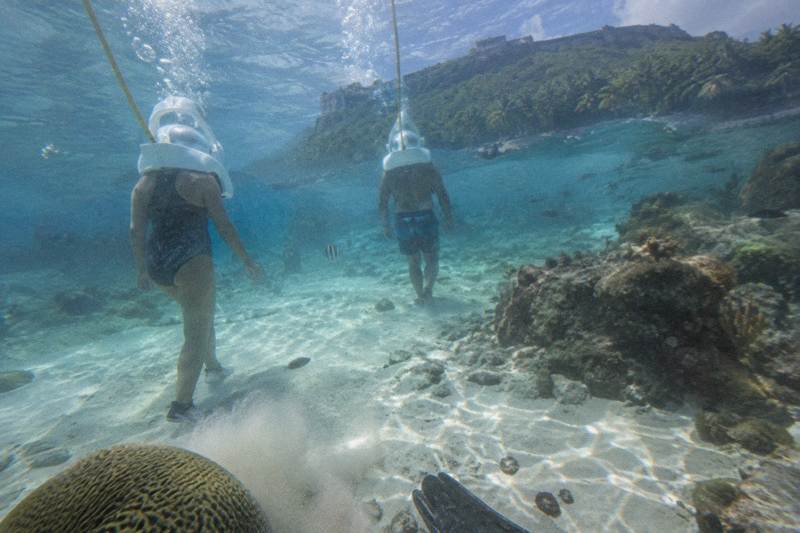
The full session runs 1 hour 30 minutes from arrival to finish, and only about 25 minutes of that is spent walking on the seabed. About 10 minutes goes on the briefing before anyone enters the water. The remainder covers gearing up, getting to and from the session area, and coming out again, which is why the whole thing fits inside a single morning or afternoon slot.
That 90-minute figure comes straight from the product line for the main session, "SeaTrek St. Lucia" by Sealife Paradise, departing from Pigeon Island in Gros Islet. Within it, the split between a roughly 10-minute briefing and roughly 25 minutes underwater is the operator's own published breakdown. If you have read the deeper background on how helmet diving works, from the air hose to the helmet, you already know the helmet is surface-supplied: air arrives continuously by hose from a powered air center above, so nothing about the underwater portion is limited by a tank of air the way scuba is. The limit on a session is the schedule and the operator's plan for the group, not a gas supply counting down.
The manufacturer, SeaTrek by Sub Sea Systems, describes the system plainly: air is delivered from the surface through a hose, supplied as a constant flow of cooled, dried and filtered air, and the helmet rests on your shoulders with head and face staying dry, in the manufacturer's description. Because the air keeps flowing, the underwater minutes are bounded by what the operator has planned, and that plan is theirs to set. The route and the depth are chosen by the operator on the day; ask them directly if you want to know the specifics for your session.
One practical framing helps: the ratio. Roughly a quarter of the total session is seabed time. That is a normal shape for a beginner underwater product of this length, and it compares well with tours where travel eats most of the calendar. For anyone unsure about the water itself, the guide to whether helmet diving works for non-swimmers covers what the session actually asks of you.
What Does The Whole 90 Minutes Look Like Minute By Minute?
Picture it in three blocks: a short briefing of about 10 minutes on land, a period of gearing up and entering the water with the helmet lowered on, and then about 25 minutes walking the seabed before surfacing and handing the gear back. The published numbers describe the briefing and the underwater walk; the surrounding minutes are the ordinary mechanics of any beach-based session.
The only figures stated for the session are the 1 hour 30 minute total, the roughly 10-minute briefing and the roughly 25 minutes underwater. Everything around those anchors is simple logistics: walking to the session area, having the helmet seated on your shoulders, stepping down a ladder or entry point, and reversing it all afterwards. The helmet itself needs no assembly from you. According to the manufacturer's SeaTrek page, it is built from polycarbonate and marine-grade components with a panoramic acrylic lens, and the air supply does the work of keeping the interior fresh.
A fair minute-by-minute sketch, built only from the stated anchors, looks like this:
| Block | Roughly | What happens |
|---|---|---|
| Briefing | About 10 minutes | The guide covers the helmet, hand signals and what to expect |
| Gearing up and entry | Part of the remaining time | Helmet seated on the shoulders, entry at the session area |
| Seabed walk | About 25 minutes | Walking the bottom, head and face dry per the manufacturer's description |
| Exit and gear return | Part of the remaining time | Surfacing, handing back the helmet, wrapping up |
Two features of the helmet shape the walk itself. Prescription glasses can stay on, in the manufacturer's words, and no swimming skill is required: the manufacturer's own phrasing is that comfortable walking is what matters. Both points matter for pacing, since a session that does not depend on swimming skill can keep a mixed group moving together rather than splitting strong swimmers from nervous ones. For families weighing this against other options, the minimum age of 8 is the stated gate, and there is more in the guide to age limits and kids on a SeaTrek dive.
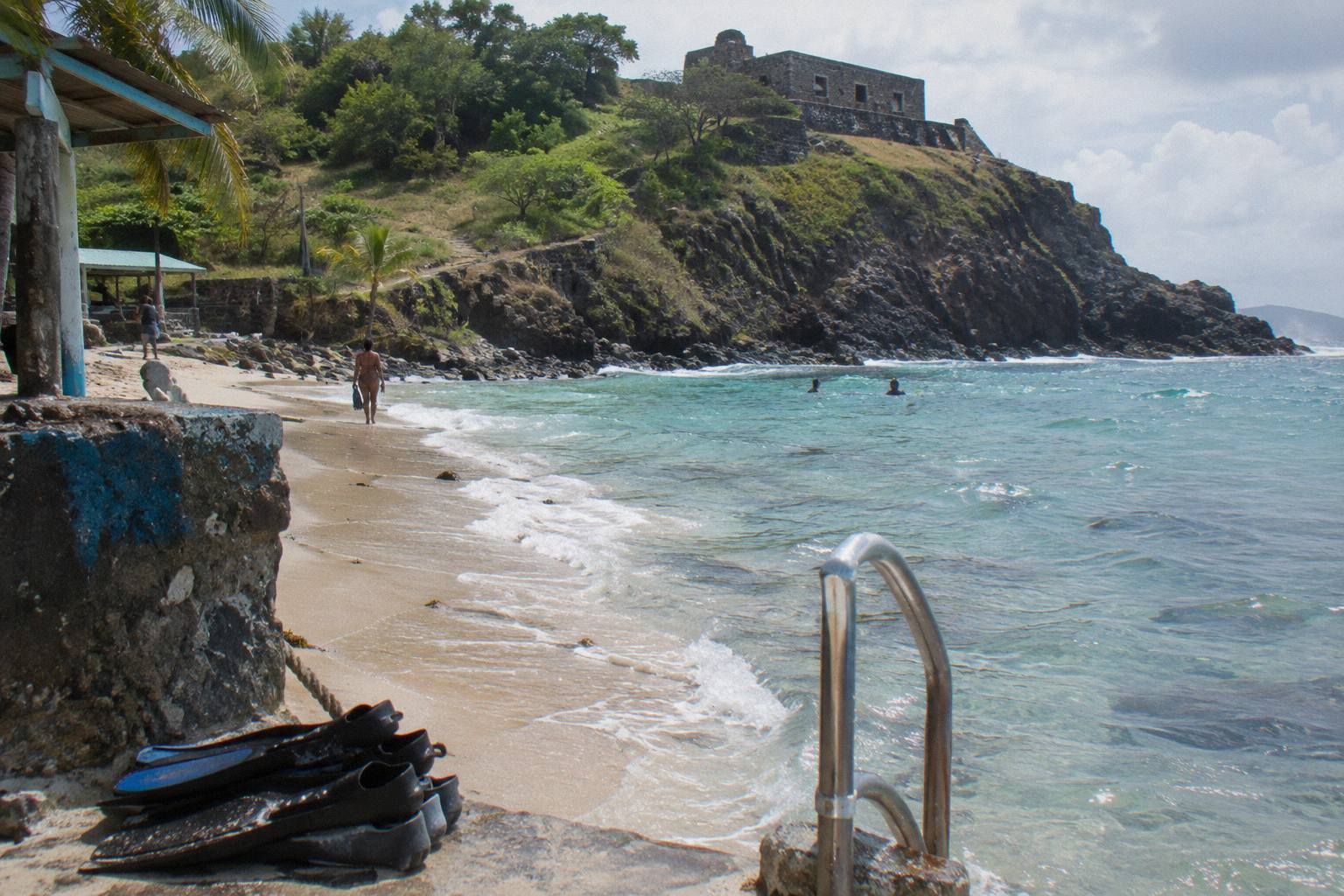
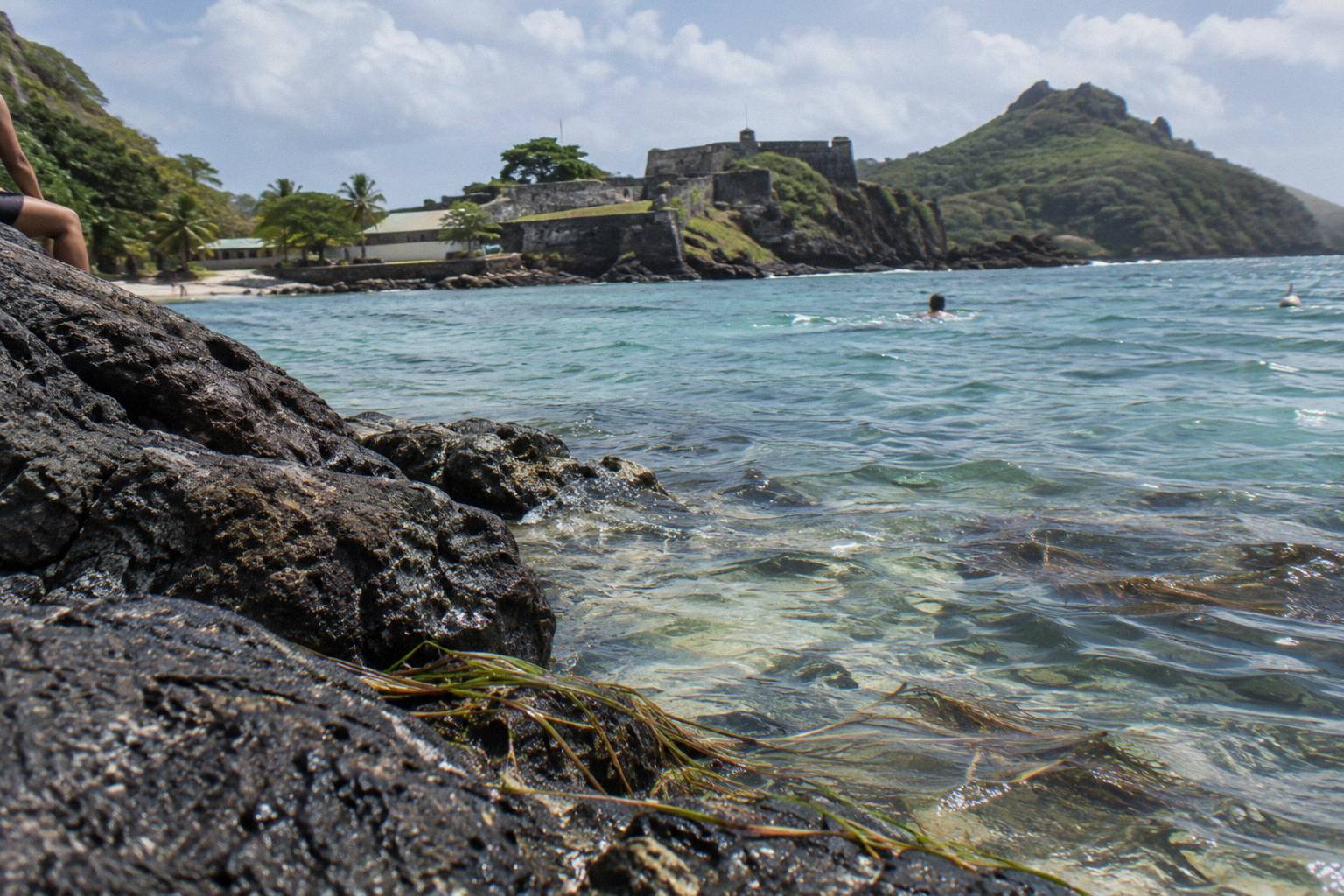
Because the session area sits on Pigeon Island, the surrounding landmark adds its own clock if you want it. The National Trust opens the landmark daily 9:30 am to 5:00 pm with last entry 4:15 pm, closed December 25, per the National Trust's landmark page. A 90-minute session plus fort ruins and a beach easily becomes a half day on the island without any tour being longer than 90 minutes.
Does Depth Change How Long A Helmet Dive Takes?
No published depth figure applies to the Pigeon Island helmet session, and the operator sets the route and the depth on the day. Duration does not depend on going deeper or shallower: the stated 90 minutes, with about 25 minutes on the bottom, is the same session either way. If a depth number matters to your decision, ask the operator directly before booking.
Depth is the one number people most often quote at each other about helmet diving, usually from memory of another island or another operator. No depth figure for this Pigeon Island session is published, so none appears here. What is documented is the mechanism: the air comes from the surface by hose, the helmet rests on the shoulders, and the manufacturer describes the result as walking and breathing normally underwater. Since the surface supplies the air continuously, the session length is a scheduling decision, not a depth decision.
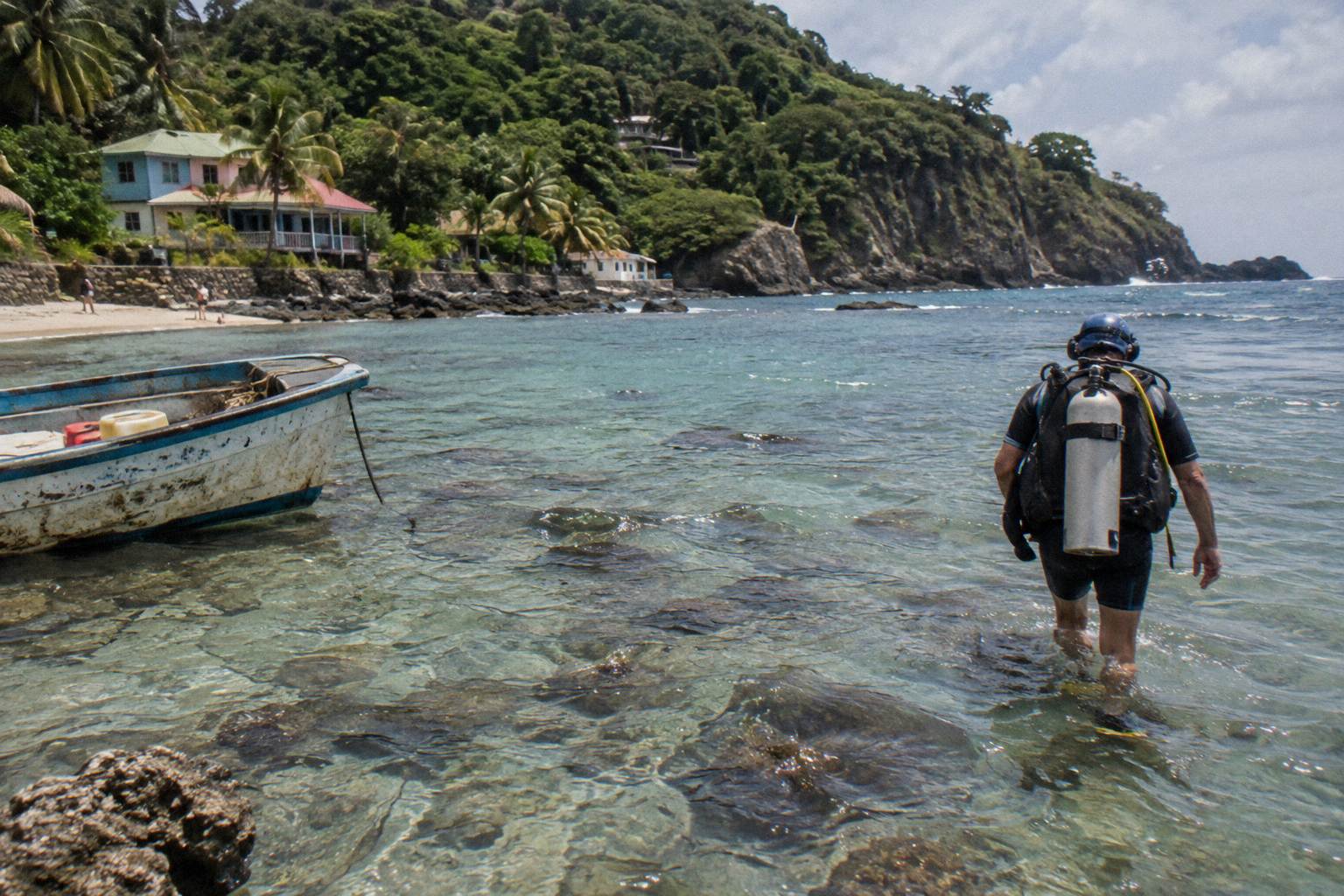
If comparing against SNUBA, the same caution applies in a different form. SNUBA is described by the operator as a cross between snorkeling and scuba diving: you breathe through a regulator fed by hose from a floating raft, with no tank and no certification. The Pigeon Island SNUBA session also runs 1 hour 30 minutes, so on the calendar the two products are identical in length, and the choice between them is about format rather than time. The SNUBA at Pigeon Island comparison works through those differences in full.
For anyone weighing helmet diving against scuba, depth expectations change completely, and so does the paperwork: the beginner scuba line carries a minimum age of 12 against the helmet dive's 8, and it includes instructor training before the dive.
How Long Does Every Underwater Tour In St Lucia Take?
Three products, the helmet walk, SNUBA and the beach snorkel, each run 1 hour 30 minutes. Two products, the beginner and certified scuba tours out of Marigot Bay, and the boat snorkel with lunch, each run 5 hours. The private boat runs 4 hours to 6 hours, and the full-day snorkel excursion runs 5 hours. Duration tracks format more than anything else.
The pattern is clean: anything based on a beach with gear handed to you on the sand runs 90 minutes, while anything involving a boat, a dive training block or a meal runs most of a day. The table below carries every duration stated on the product lines, with the from-price and minimum age where each line gives them. All amounts are US dollars, per person, and prices vary by date and group, so the booking page shows the figure for your date.
| Product | Duration | From (US$, per person) | Minimum age |
|---|---|---|---|
| Seabed Helmet Walk, No Swimming | 1 hour 30 minutes | From US$118 | 8 |
| SNUBA, Surface Raft Air Hose | 1 hour 30 minutes | From US$112 | 8 |
| Beach Snorkel, Equipment Included | 1 hour 30 minutes | From US$70 | 6 |
| Boat Snorkel, Lunch Included | 5 hours | From US$83 | 4 |
| Beginner Scuba, Meal Included | 5 hours | From US$132 | 12 |
| Certified Scuba, Meal Included | 5 hours | From US$116 | 12 |
| Private Boat, Soufriere Snorkel | 4 hours to 6 hours | From US$200 | Not carried on the line |
| Full-Day Snorkel, Lunch And Drinks | 5 hours | From US$250 | Not carried on the line |
Ratings sit alongside duration when you compare, and each belongs to its own product with its own review pool: the helmet walk carries 4.8 from 231 reviews, SNUBA 4.7 from 166 reviews, the boat snorkel with lunch 4.5 from 126 reviews, beginner scuba 4.7 from 57 reviews, certified scuba 4.6 from 71 reviews, the private boat 4.9 from 184 reviews and the full-day excursion 5.0 from 69 reviews. The beach snorkel line carries 4.4 from 16 reviews, a small pool, so treat it lightly. The two Pigeon Island 90-minute products are covered in detail on the seabed helmet walk tour page and the SNUBA Saint Lucia tour page.
Note what the durations do not include: the helmet dive line includes private transportation from hotels in the north of the island, and the SNUBA line likewise includes pickup from northern hotels only, with the exact meeting point sent on the booking confirmation. The beach snorkel line carries no pickup at all. So two tours of identical length can occupy very different stretches of your day depending on where you are staying. Check the live price for your dates on the SNUBA, Surface Raft Air Hose link if SNUBA is your frontrunner.
What Turns A 90-Minute Tour Into A Half Day?
Pickup, boat travel and food are the three things that stretch a water session into most of a day. The 5-hour lines name lunch in their inclusions, and the two Marigot Bay scuba lines and the boat snorkel include hotel pickup from northern and western island locations. The private boat line runs 4 hours to 6 hours because it is a charter covering Soufriere sightseeing and snorkeling.
Look at the inclusion lines and the shape of each day becomes obvious. "St Lucia Beginner Scuba Diving Tour" by Dive Fair Helen includes hotel pickup and drop-off from northern to western locations, water and juices, lunch, one tank dive, tanks and weights, marine fees, and instructor training before the dive. That training block alone explains part of the gap between 90 minutes and 5 hours: first-time divers are taught before they dive. The certified line swaps training for a dive master and local guide on a spacious dive boat with a restroom, at the same 5-hour length, and it carries its own rating of 4.6 from 71 reviews.
The stretch factors, stated line by line, are easiest to compare side by side:
| Product | Pickup stated on the line | Meal stated on the line | Boat stated on the line |
|---|---|---|---|
| Seabed Helmet Walk | Private transportation, northern hotels only | No | No |
| SNUBA | Northern hotels only | No | No |
| Beach Snorkel | Not included | No | No |
| Boat Snorkel With Lunch | Northern to western locations | Lunch | Yes |
| Beginner Scuba | Northern to western locations | Lunch | Yes, training before the dive |
| Certified Scuba | Northern to western locations | Lunch | Spacious dive boat with restroom |
| Private Boat | Dock hotels, or port pickup at Castries, Marigot Bay, Rodney Bay | Lunch excluded, from about US$15 per person | Private charter |
| Full-Day Snorkel Excursion | Pickup included | Local lunch and drinks | Yes |
The boat snorkel with lunch, also from Dive Fair Helen out of the Marigot Bay ferry dock, explains the rest of the gap: a boat, a guide, lunch, juices and snorkel equipment, with a minimum age of 4, the lowest on the whole set. Its stated price excludes a 10% per person government VAT payable at check-in, so budget that on top of the from-price of US$83. At the far end, "Lucia Private Boat to Soufriere Snorkeling Sightseeing Beach" by Captain Cliff Adventure Tours runs 4 hours to 6 hours precisely because a private charter can absorb sightseeing, beach time and snorkeling in one loop, with beverages including bottled water, beer, local rum and soda included, and lunch from about US$15 per person plus a fuel surcharge excluded.
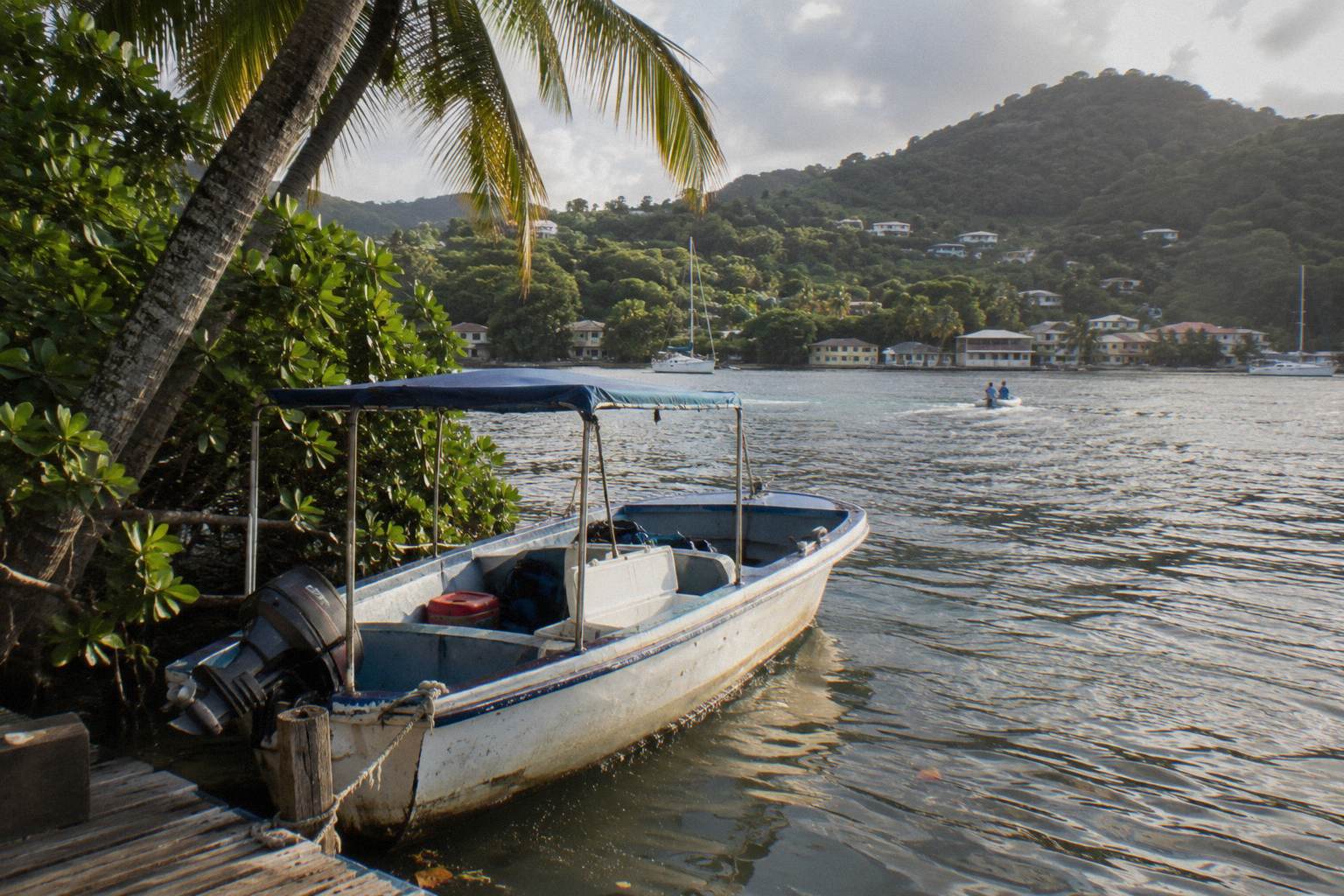
The geography does some of the work too. Hewanorra International Airport sits about 1 hour 40 minutes from Pigeon Island and about 1 hour 30 minutes from Gros Islet, per the Saint Lucia tourism Pigeon Island page, so anyone staying in the south already has a drive that dwarfs a 90-minute session. The scuba and boat-snorkel lines state plainly that they do not include pickup from southern locations such as Soufriere, Vieux Fort, Micoud and Dennery. If you are based in the north near Rodney Bay or Gros Islet, everything on the 90-minute side of the table is close at hand, which is the planning detail in getting to Pigeon Island from Rodney Bay, Castries and the cruise port.
How Do You Fit A Helmet Dive Around A Cruise Day Or A Flight?
A 90-minute session is the easiest underwater product to slot into a port day, because the helmet walk and SNUBA both finish inside an hour and a half and include northern-hotel pickup. No flying-after rule is published for helmet diving or SNUBA, so ask the operator before booking a departure-day session. For scuba, DAN's guidance is 12 hours after a single dive and 18 hours after multiple dives.
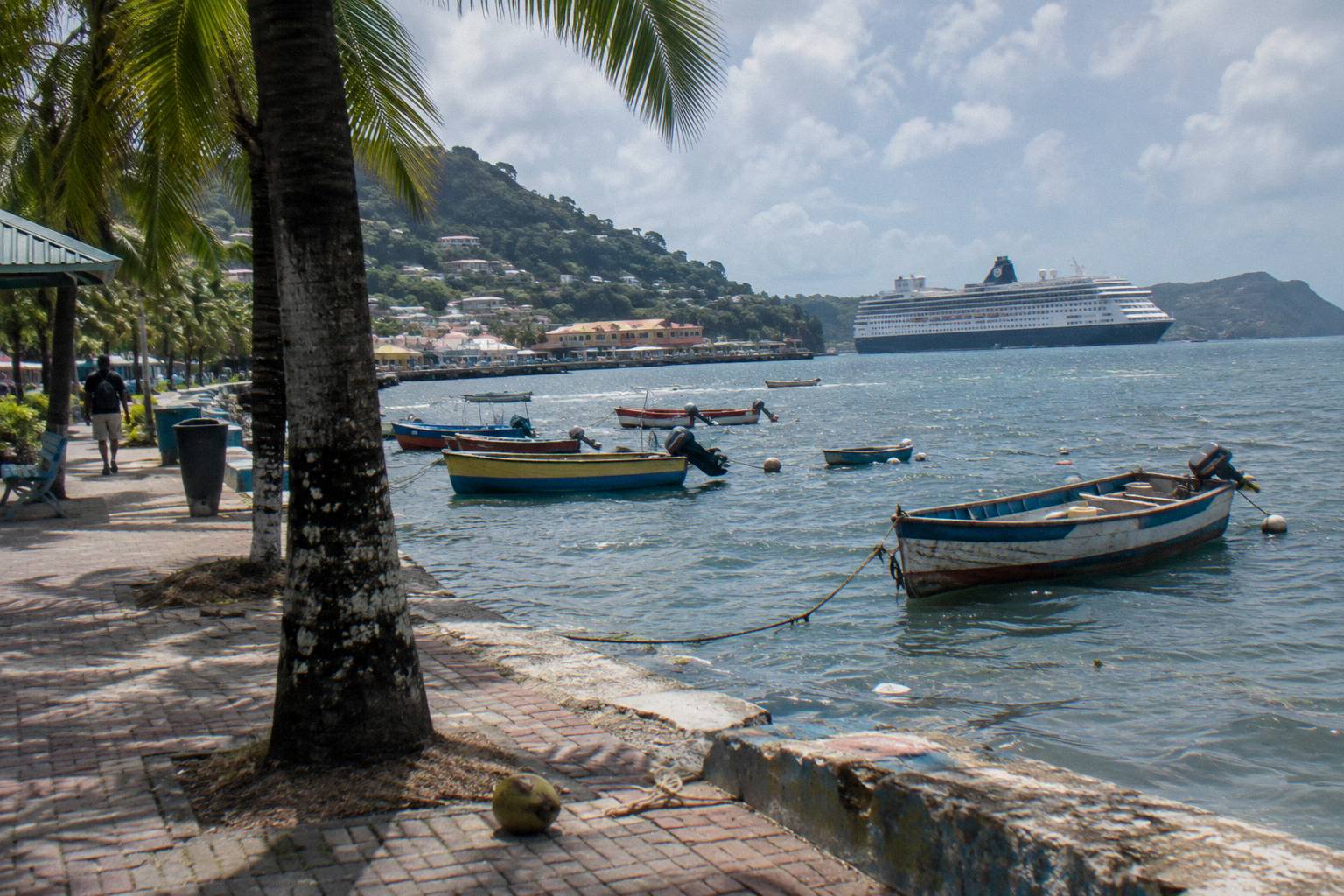
The cruise framing comes from the port itself: Castries runs Pointe Seraphine berths and La Place Carenage with water taxis between them, and the main cruise season runs October to April with up to five ships in Castries on one day, per the ports authority's cruise and ferry services page. Against that clock, a product that ends inside 90 minutes leaves room for the landmark itself, or for Rodney Bay, without gambling on the all-aboard. The half-day lines eat most of a standard port call on their own. The cruise-day trade-offs are worked through in fitting an underwater excursion into a St Lucia cruise day.
On flying, precision matters. The DAN flying-after-diving guidance gives a minimum preflight surface interval of 12 hours after a single no-decompression scuba dive and 18 hours after multiple dives or multiple days of diving, reflecting typical cabin altitudes of 6,000 to 8,000 ft. That is scuba guidance, stated by DAN for scuba. No equivalent interval is published for surface-supplied helmet diving or SNUBA, so the right move is to ask the operator about a same-day flight, and to raise it before you book rather than after. The same logic runs through the question of whether you can SNUBA before flying home.
Season barely constrains any of this. Sea temperatures in St Lucia stay between 26 and 29 C (79 to 84 F) all year, per the Saint Lucia tourism snorkeling beaches guidance, which also notes mornings offer the calmest water and clearest conditions, and the dry season from December to April is the busiest window. Every product compared here carries free cancellation up to 24 hours before start, which is the practical safety valve if a weather or schedule conflict appears. More on timing sits in the best time of year for underwater tours in St Lucia.
What Trips People Up Before You Book
The recurring mistakes are assuming the full 90 minutes is underwater, expecting a depth number that no source publishes, and ignoring where pickup actually runs. About 25 minutes is seabed time, the operator alone sets route and depth, and hotel pickup covers the north of the island only. Booking a 5-hour product on a tight port day, or skipping lunch planning on the boat lines, are the other common slips.
The first trip-up is arithmetic: people hear "90 minutes" and picture 90 minutes below the surface. The stated split is about 10 minutes of briefing and about 25 minutes underwater, with the rest as overhead. That is a fair shape for the price, but only if you go in knowing it. The second is depth: forums and memories of other islands supply numbers freely, and none of them apply here. The operator sets the route and the depth, so ask them, and treat any other figure with suspicion. The background on whether helmet diving is safe, its risks and limits covers what is actually documented.
The third is pickup geography. The helmet dive and SNUBA lines include pickup from hotels in the north of the island only, with the exact meeting point on the booking confirmation; the scuba and boat snorkel lines pick up from northern to western locations and explicitly not from Soufriere, Vieux Fort, Micoud or Dennery; the beach snorkel includes no pickup at all. The fourth is money detail: the boat snorkel's 10% per person government VAT is payable at check-in on top of the from-price, gratuities are excluded on the helmet dive line, and lunch and a fuel surcharge sit outside the private boat's price. One sentence of budget attention avoids all four.
The fifth is medical. The operator's own advisory states the sessions are not recommended for pregnant travelers, travelers with poor cardiovascular health or travelers with spinal injuries; ask the operator or a doctor if any of those apply, before booking. And the sixth is timing at the margins: booking a session on departure day without asking the operator about the flight question first, or turning up to Pigeon Island expecting to squeeze into the landmark after last entry at 4:15 pm. For what to actually carry, the guide to what to wear and bring to a helmet dive is the companion read, and St Lucia Helmet Dive keeps the full set of duration and cost comparisons in one place.
Common Questions About Helmet Dive Duration
How Long Does A Helmet Dive Last?
The session runs 1 hour 30 minutes in total: about 10 minutes of briefing, about 25 minutes underwater, and the remainder on gearing up and the surrounding logistics.
How Many Minutes Are You Actually Underwater On A Helmet Dive?
About 25 minutes of the 90-minute session is spent walking on the seabed, per the operator's own published breakdown for the Pigeon Island session.
How Deep Do You Go On A Helmet Dive In St Lucia?
No depth figure is published for the Pigeon Island session, so none can be quoted here. The operator sets the route and the depth; ask them directly before booking if the number matters to you.
Is A Helmet Dive Longer Than SNUBA?
No. Both the helmet walk and the SNUBA session at Pigeon Island run 1 hour 30 minutes, so the choice between them comes down to format, not length.
Why Do Some Underwater Tours Take 5 Hours?
Because they add a boat, training or a meal. The beginner scuba, certified scuba and boat snorkel with lunch lines each run 5 hours and each names lunch and pickup among the inclusions, while the beach-based products stay at 90 minutes.
Can You Do A Helmet Dive On A Cruise Day Or Before A Flight?
A 90-minute session fits a port day comfortably. For flying, no interval is published for helmet diving or SNUBA, so ask the operator; DAN's 12 and 18 hour preflight intervals apply to scuba.