Helmet Diving With Glasses Or Contact Lenses: What Works
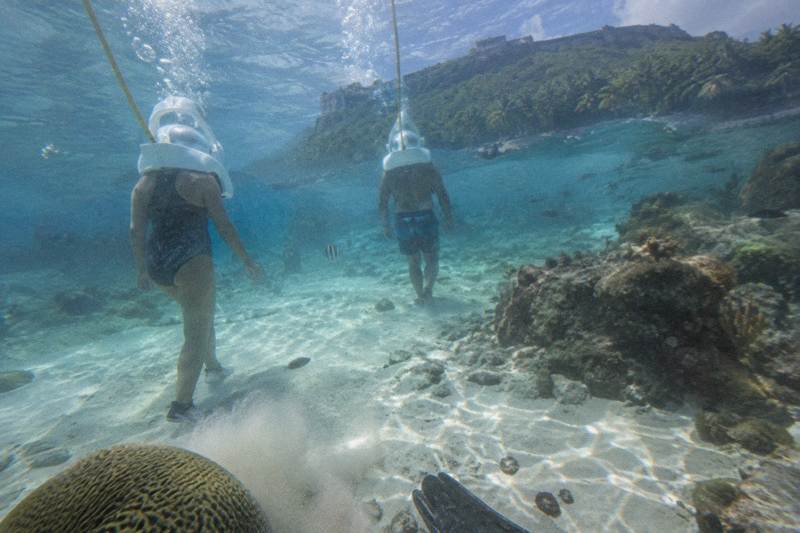
Snorkelling with glasses rarely works, and a mask cannot sit over a full frame. The helmet dive takes a different approach: your head stays dry, the helmet does the sealing, and the manufacturer says prescription glasses can stay on for the walk.
Short answer
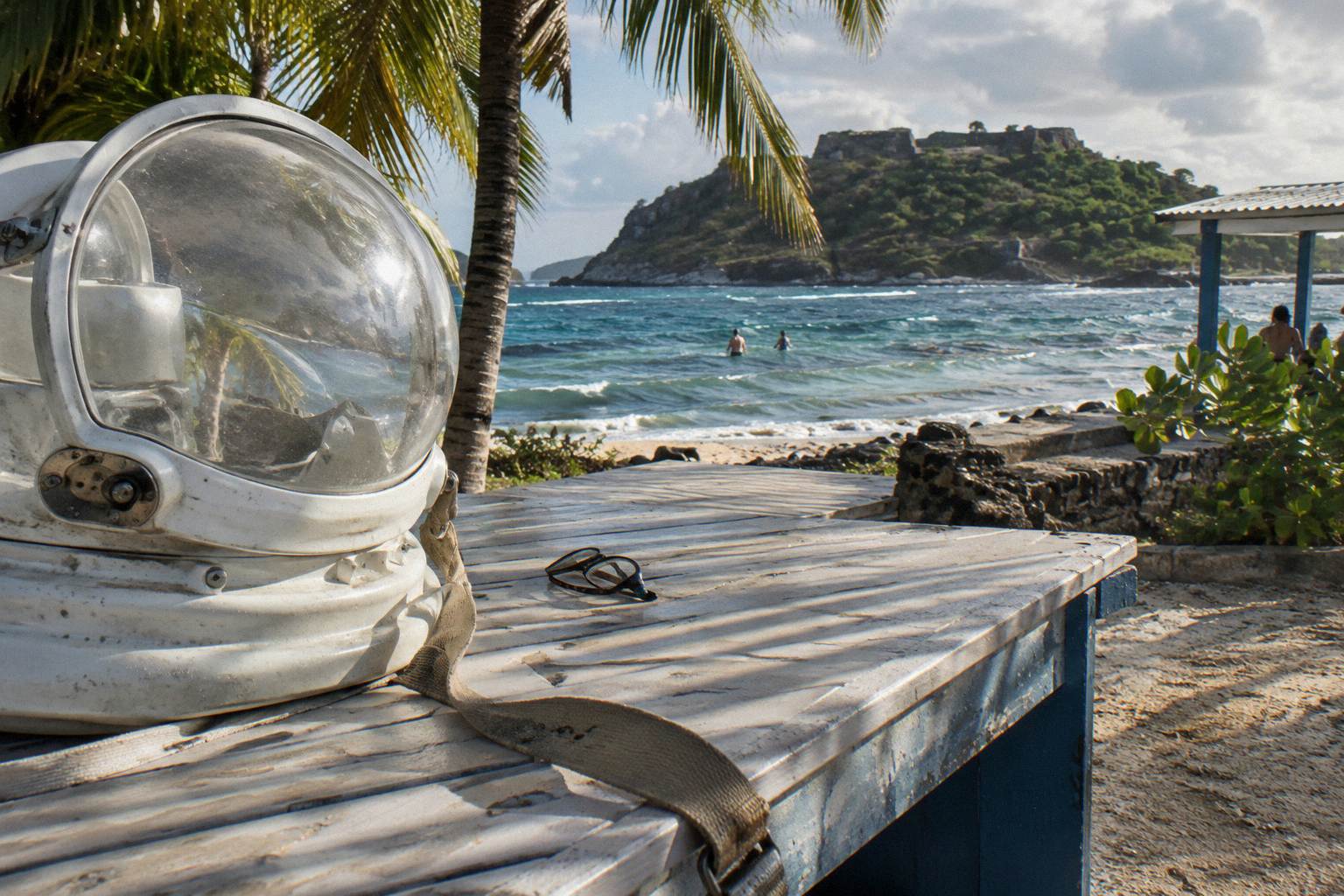
Yes, in the manufacturer's words, glasses can stay on under the helmet: the SeaTrek design keeps head and face dry, so nothing presses on the bridge of the nose and no mask seal has to fight a frame. Contact lenses are a different question the manufacturer does not address, so ask the operator before booking.
If you are weighing the beginner-friendly underwater options around Pigeon Island, start with the beginner underwater tours in St Lucia hub, which gathers the helmet walk, SNUBA and the entry-level snorkel trips in one place. The focus here stays on one narrow question: what happens to your eyewear.
| Fact | Detail |
|---|---|
| Helmet walk duration | 1 hour 30 minutes total, about 10 minutes of briefing, about 25 minutes underwater |
| Prescription glasses | The manufacturer says glasses can stay on under the helmet |
| Swimming | Not required for the helmet walk |
| Minimum age | 8 for the helmet walk and SNUBA |
| Price | From US$118 per person for the helmet walk, from US$112 per person for SNUBA |
| Cancellation | Free cancellation up to 24 hours before start, helmet walk and SNUBA |
| Pickup | Included from hotels in the north of the island only |
| Departure point | Pigeon Island, Gros Islet |
Can You Keep Your Glasses On For The Walk?
Yes. The manufacturer's own page for the helmet system answers the glasses question directly, with the phrase "Glasses on? No problem!", and the reason is structural rather than an accommodation: the helmet keeps your head and face dry, air arrives by hose from the surface, and nothing about the design has to seal against the skin of your face the way a mask does. That is the whole eyewear argument in one sentence.
The detail matters, so it is worth unpacking. A snorkel or scuba mask seals against a ring of skin around the eyes and nose. A spectacle frame sitting on that ring breaks the seal, which is why mask wearers either buy a prescription lens, wear tight contact lenses under the mask, or simply go blurry. The helmet works on a different principle: the manufacturer describes it as working "similar to an inverted glass", with air staying inside as long as the helmet is not turned over, and a constant flow of cooled, dried and filtered air supplied by hose from a surface air centre keeping the air inside fresh.
Because the helmet rests on the shoulders rather than sealing to the face, a pair of prescription glasses has room to exist inside it. The manufacturer lists this plainly on the manufacturer's SeaTrek page, alongside the same page's points that no swimming skill is needed and that the experience is guided by trained and certified guides. The helmet itself is built from polycarbonate and marine-grade components with a panoramic acrylic lens, so the window you look through is wide, and the view you get is through both your own glasses and that lens.
A second eyewear question remains open. Contact lenses are not addressed anywhere in the manufacturer or operator material, so nothing reliable can be repeated here; ask the operator before booking if contacts are your plan. For glasses, the position is simply stated and comes from the manufacturer's own description.
Helmet, Mask Or Regulator: Eyewear Across The Four Formats
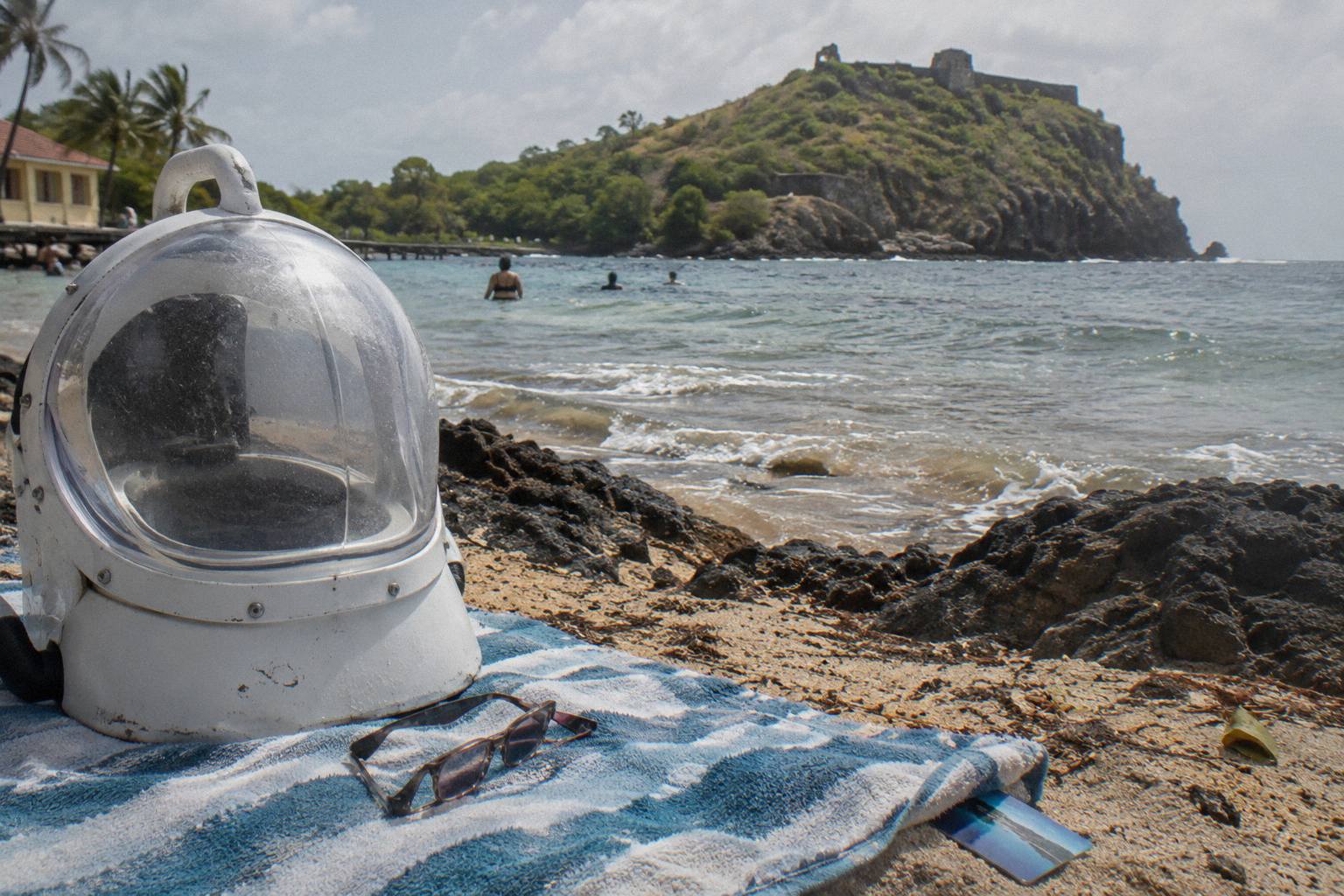
Each underwater format treats your glasses differently, and the helmet is the only one where the manufacturer explicitly says frames can stay on. Snorkelling and scuba both depend on a mask sealed to your face, which a frame interferes with; SNUBA uses a regulator fed from a raft, and its listed inclusions cover all the equipment but make no eyewear claim. The helmet stands alone on this question.
Walking through the formats one at a time keeps the comparison grounded, because each product's equipment line in the tours on this site says only what it says. The helmet walk from Sealife Paradise, "SeaTrek St. Lucia", is the product whose manufacturer makes the glasses statement quoted above. Its listing line also gives the practical frame of the trip: 1 hour 30 minutes total, minimum age 8, swimming not required, private transportation included, gratuities excluded, and free cancellation up to 24 hours before the start. It rates 4.8 from 231 reviews, and runs from US$118 per person.
SNUBA, sold here as "SNUBA Saint Lucia", is described by the operator as "a cross between snorkeling and scuba diving": you breathe through a regulator connected to a floating raft, with no tank on your back and no certification needed. The tour's inclusions cover use of all equipment needed to conduct the tour, so the mask and regulator are supplied, but no eyewear arrangement is claimed. Minimum age is 8, the group maximum is 14, water is provided after the experience, and the price starts from US$112 per person with the same 24-hour free cancellation. If you wear glasses and want SNUBA, ask the operator about a prescription mask.
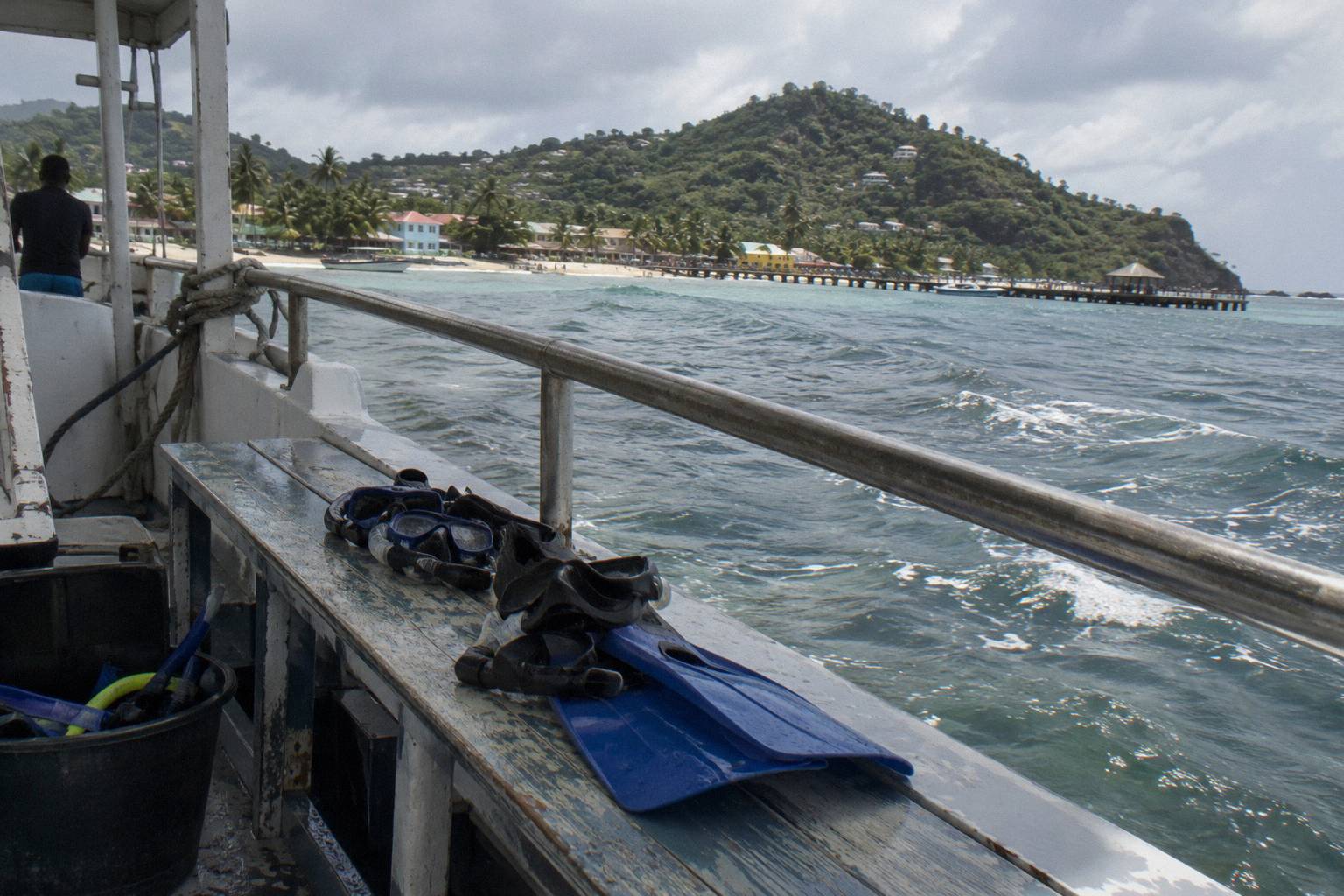
Snorkelling is the hardest format for a glasses wearer. Both snorkel products compared here supply snorkelling equipment as an inclusion, and a standard mask will not seal over a frame. The beach session, "Snorkeling at Pigeon Island", from US$70 per person with a minimum age of 6, includes bottled water and use of snorkelling equipment, and needs swimming ability. The boat version with lunch, "St Lucia Snorkeling Tour with Lunch", from US$83 per person, minimum age 4, also includes use of snorkelling equipment plus lunch, water and juices on a spacious dive boat with restrooms, and carries a 10% per person government VAT payable at check-in on top of the listed price.
Scuba, finally, uses the same sealed mask plus a regulator, and the two Dive Fair Helen products list their equipment items separately: the beginner tour at from US$132 per person includes tanks and weights with an instructor for training before the single tank dive, while the certified tour at from US$116 per person includes tanks and weights but excludes other equipment unless that option is selected, and excludes wetsuits. Neither line claims anything about eyewear. The pattern is consistent: where equipment is listed, it is listed as gear, and prescription needs are a conversation with the operator.
| Format | Product | Eyewear position from the tours and manufacturer | Equipment on the tour line |
|---|---|---|---|
| Helmet walk | SeaTrek St. Lucia | Manufacturer: glasses can stay on, head and face stay dry | Private transportation included, gratuities excluded |
| SNUBA | SNUBA Saint Lucia | No eyewear claim; ask the operator | Use of all equipment needed to conduct the tour; water after |
| Beach snorkel | Snorkeling at Pigeon Island | Mask based; no claim about frames | Bottled water; snorkelling equipment |
| Boat snorkel | St Lucia Snorkeling Tour with Lunch | Mask based; no claim about frames | Snorkelling equipment, lunch, water and juices, boat with restrooms |
| Beginner scuba | St Lucia Beginner Scuba Diving Tour | Mask and regulator; no claim about frames | Tanks and weights, instructor training, lunch, marine fees |
| Certified scuba | St Lucia Certified Scuba Diving Tour | Mask and regulator; no claim about frames | Tanks and weights; equipment and wetsuit excluded unless option selected |
Why A Dry Face Changes The Whole Question
A dry face removes the mechanism that normally forces eyewear compromises. Masks leak because they must press against skin; a helmet leaves that skin untouched, sits on the shoulders, and holds its own air pocket like an inverted glass. The manufacturer's description, not a promise about any particular day, is the basis for every claim in this section, and it is what separates this format from the others for a glasses wearer.
The manufacturer's explanation of the air supply is worth reading in full because it explains why the inside of the helmet is a comfortable place for a pair of frames. Air is delivered by hose from an electrically powered air centre at the surface, and that supply is cooled, dried and filtered on its way down, maintaining a constant flow and a fresh turnover of air inside the helmet. The helmet rests on the shoulders, the panoramic acrylic lens gives a wide field of view, and the manufacturer's instruction to guests is simply "just walk and breath". The operator's own page for its SEA Trek session echoes the same points: no swimming needed, from ages 8 up, and guests only need to walk and breathe.
None of this is a promise about clarity or comfort on a given day; it is the manufacturer's and operator's own description of how the system is built. What it does mean is that the glasses question is answered by design rather than by a workaround. There is no frame pressing into a silicone skirt, no fogging fight between a mask and your lenses, and no need to decide between seeing the reef and keeping your glasses dry.
If your underlying worry is water in the eyes rather than eyewear, the same design point applies: the manufacturer states that head and face stay dry, in the same breath as the glasses statement. For a fuller treatment of who this format suits and who should think twice, read whether helmet diving is safe, its risks and limits, which covers the medical cautions the operator prints on its booking page.
The operator's medical advisory is printed on the booking page for both the helmet walk and SNUBA: not recommended for pregnant travelers, travelers with poor cardiovascular health or travelers with spinal injuries. That is the operator's own caution, and it applies regardless of eyewear; anyone with a medical question should ask the operator or a doctor before booking.
Ages, Swimming Ability And Eligibility, Format By Format
The helmet walk and SNUBA both take guests from age 8 and neither requires swimming skill for the helmet product, while every snorkel and scuba line among the tours on this site requires swimming ability and starts at different ages. Glasses eligibility and general eligibility are separate questions, and both are worth settling before money changes hands, because the age and swim rules differ sharply across products.
The helmet walk, "SeaTrek St. Lucia", sets its minimum age at 8 and states that swimming is not required, which is also the manufacturer's position, ages 8 and up, comfortable walking is the ask. SNUBA matches the age 8 minimum and caps its shared groups at 14 travelers, but no swimming exemption is published for it, so ask the operator what comfort in water it expects. The beach snorkel takes children from age 6 and states swimming ability is needed; the boat snorkel with lunch starts at age 4, also with swimming ability needed.
The two scuba tours both set the bar at age 12, which puts them out of reach for younger families comparing options. For the full picture on children and the helmet walk specifically, the guide to age limits and kids on a SeaTrek dive works through family planning in more detail, and for adults who cannot swim at all, helmet diving for non-swimmers and what to expect covers the same eligibility question from the other direction.
| Product | Minimum Age | Swimming Requirement | Other Eligibility Notes |
|---|---|---|---|
| SeaTrek St. Lucia | 8 | Not required | Operator medical advisory applies |
| SNUBA Saint Lucia | 8 | Ask the operator | Group maximum 14 |
| Snorkeling at Pigeon Island | 6 | Needed | Runs from the beach, no pickup included |
| St Lucia Snorkeling Tour with Lunch | 4 | Needed | 10% government VAT payable at check-in |
| St Lucia Beginner Scuba Diving Tour | 12 | Scuba training included | Instructor training before the single tank dive |
| St Lucia Certified Scuba Diving Tour | 12 | Certification expected | Equipment excluded unless option selected |
What To Sort Out With The Operator Before You Book
Three things belong in a message to the operator before booking, and each is a one-line question: your eyewear plan, your medical situation, and your pickup location. Prices and start dates sit on the booking calendar, so those need no email, but eyewear and medical questions are worth asking in advance because the printed material does not answer them for every format.
For eyewear specifically, the helmet walk has the manufacturer's glasses statement behind it, so for most prescription wearers nothing needs arranging beyond mentioning it on the day. For SNUBA and the mask-based formats, a prescription mask may be the answer, but no product line here claims one is available, so the question to send is simple: can a prescription mask be arranged, and what does it change on the day. Ask the operator once, plainly, and you have your answer for your own eyes and frames.
Medical questions follow the same route. The operator's advisory covering pregnancy, cardiovascular health and spinal injuries is printed on the booking page for the helmet and SNUBA products; anything beyond that, including any eyesight condition that worries you, goes to the operator or a doctor rather than to guesswork. Pickup is the third item: the helmet walk and SNUBA include pickup from hotels in the north of the island only, with the exact meeting point sent on the booking confirmation, so if you are staying in the south, near Soufriere or Vieux Fort, arrange your own way to Gros Islet or pick a product that fits your base.
| What To Arrange | Helmet Walk | SNUBA | Snorkel Tours | Scuba Tours |
|---|---|---|---|---|
| Glasses under the helmet | Covered by manufacturer statement | Ask about a prescription mask | Ask about a prescription mask | Ask about a prescription mask |
| Contact lenses | Ask the operator | Ask the operator | Ask the operator | Ask the operator |
| Medical advisory | Printed on booking page | Printed on booking page | Standard fitness for swimming | Certification or training line applies |
| Pickup | North hotels only, included | North hotels only, included | Boat tour: north to west pickup; beach session: not included | North to west locations only, not the south |
The scuba and boat-snorkel lines from Dive Fair Helen include hotel and port pickup from northern to western island locations only, and explicitly exclude pickup from southern locations including Soufriere, Vieux Fort, Micoud and Dennery. The private boat option from Captain Cliff Adventure Tours works differently again, collecting from hotels and villas with their own docks or from the ports at Castries, Marigot Bay and Rodney Bay. None of this is eyewear, but it is the same pre-booking conversation, and it saves the kind of morning scramble that no pair of glasses fixes.
Time, Price And What Each Trip Includes
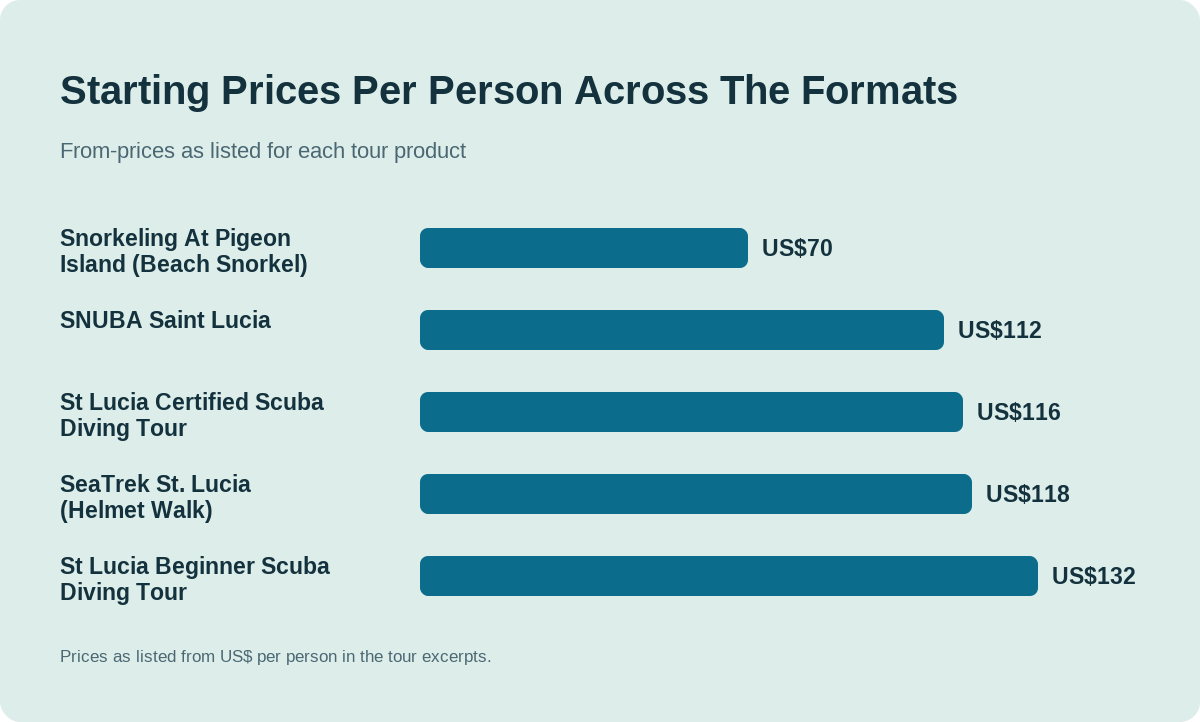
The helmet walk runs 1 hour 30 minutes in total, with about 10 minutes of briefing and about 25 minutes underwater, and starts from US$118 per person; SNUBA matches the duration from US$112, the beach snorkel starts at US$70 and the boat snorkel with lunch at US$83 per person. All amounts are US dollars, per person, and they vary by date and group.
Those durations and inclusions come from each product's own tour details, so they hold only for the product named. The helmet walk includes private transportation and excludes gratuities, which is worth remembering when budgeting, since tips in St Lucia generally run about 10 to 12 percent of a bill and are not added automatically, per the Saint Lucia tourism travel tips guidance. SNUBA includes all the equipment needed to conduct the tour and water afterwards. The beach snorkel is the shortest money commitment and includes no pickup, while the boat snorkel with lunch is a 5-hour day that includes lunch, water and juices, snorkelling equipment, and a boat with restrooms, with the 10 percent VAT payable at check-in on top.
Cancellation terms are uniform across every product compared here: free cancellation up to 24 hours before the start. That symmetry makes comparing the formats simpler, because the risk of booking early is the same whichever one you choose. For a deeper look at value across the two headline options, helmet diving cost and whether it is worth it against snorkeling works through the price gap from several angles, and the question of what you can photograph on the day is covered in taking photos on a helmet dive.
Ratings, where they are large enough to mean anything, are printed with their counts throughout: the helmet walk rates 4.8 from 231 reviews, SNUBA 4.7 from 166, the boat snorkel with lunch 4.5 from 126, and the beach snorkel 4.4 from 16. The beginner scuba tour rates 4.7 from 57 reviews and the certified tour 4.6 from 71. Numbers that small describe those products' own review pools and nothing more.
To see the live price for your dates, check the booking calendar for whichever product you are weighing; every figure above is a from-price, and the amount for a given date and group is what the booking page shows.
The Setting: Pigeon Island And The Day Itself
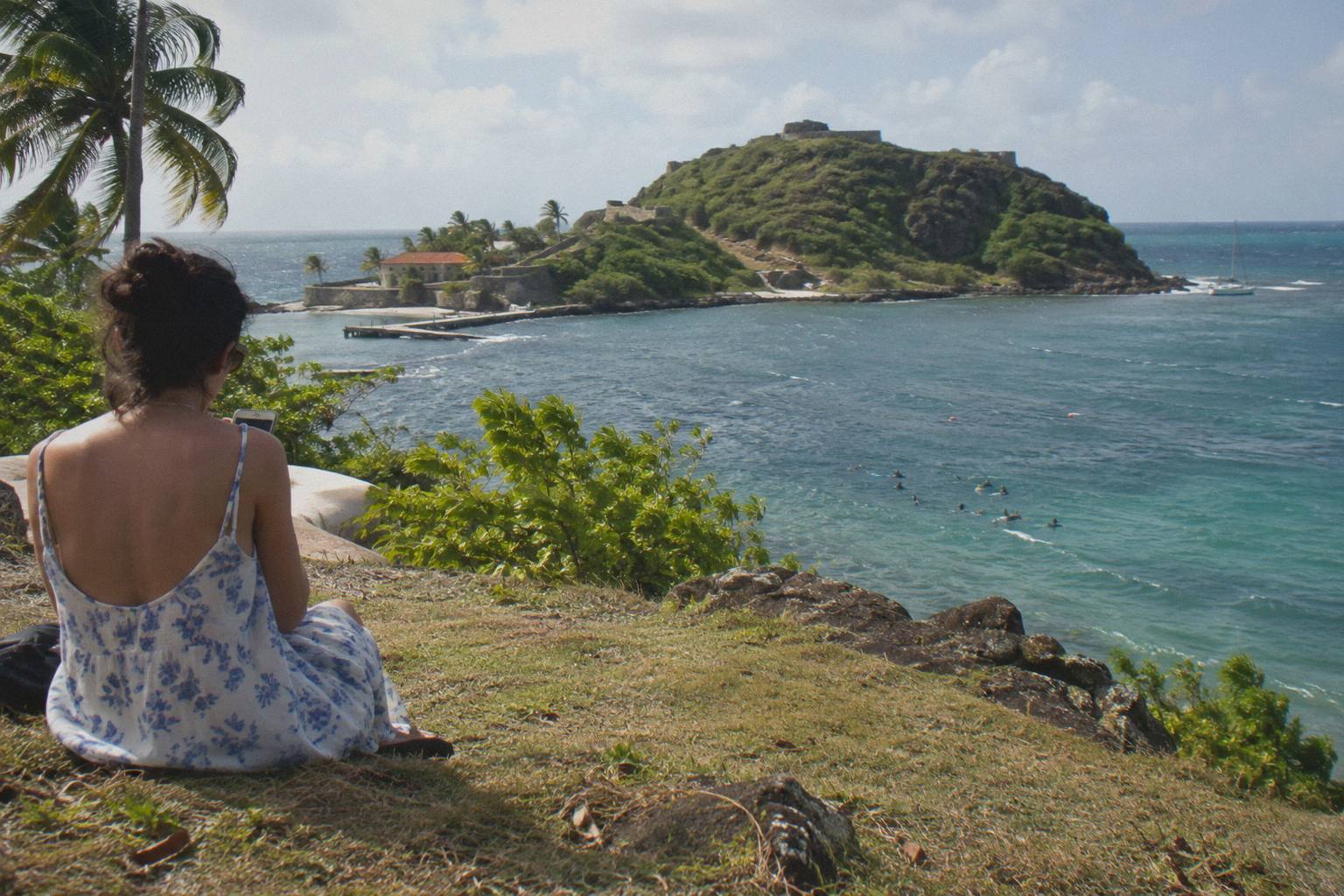
The helmet walk and SNUBA depart from Pigeon Island in Gros Islet, a 44-acre National Landmark joined to the mainland by a causeway built in the early 1970s, with the operator based on the beach there. The landmark opens daily from 9:30 am to 5:00 pm with last entry at 4:15 pm, and non-resident entry costs US$10 for adults and US$3 for children aged 5 to 12, under 5 free, in the National Trust's figures, which can change.
Those landmark details belong to the site itself, never to any tour, and whether a tour's price interacts with the entry fee is a question the tour material does not settle, so ask the operator if it matters to your budget. What the landmark does offer is context for the day: Fort Rodney, an 18th-century British fort with views over Rodney Bay, Signal Peak as the highest point, a National Trust museum, Two-Gun Battery and military ruins, all described on the Saint Lucia tourism Pigeon Island page. Hewanorra International Airport sits about 1 hour 40 minutes away by road, and Gros Islet about 1 hour 30 minutes, in that page's and the tourism body's figures.
The beach at Pigeon Island is where the shallow-water products run, and the tourism authority describes it as having calm, sheltered waters suited to beginner snorkelers, with sea temperatures between 26 and 29 C, or 79 to 84 F, all year and the calmest, clearest conditions in the morning, as its snorkeling beaches guidance sets out. No tour day is promised calm; sea state is decided by weather and season, and the west coast generally offers calmer water than the Atlantic side, in the same guidance. For planning around the calendar, the best time of year for underwater tours in St Lucia covers the dry season from December to April and the cruise season from October to April.
One planning note for cruise passengers: the Castries port has dedicated cruise berths at Pointe Seraphine, with water taxis linking it to La Place Carenage, and up to five ships can call in one day in the main season, per the ports authority's cruise services page. Whether the helmet walk collects from the cruise terminal is not settled in the tour's pickup description, which covers northern hotels only, so ask the operator if you are arriving by ship. The operator's own tours page at the Sealife Paradise tours page is the direct place to ask, and it repeats the free northern transfers promise quoted earlier.
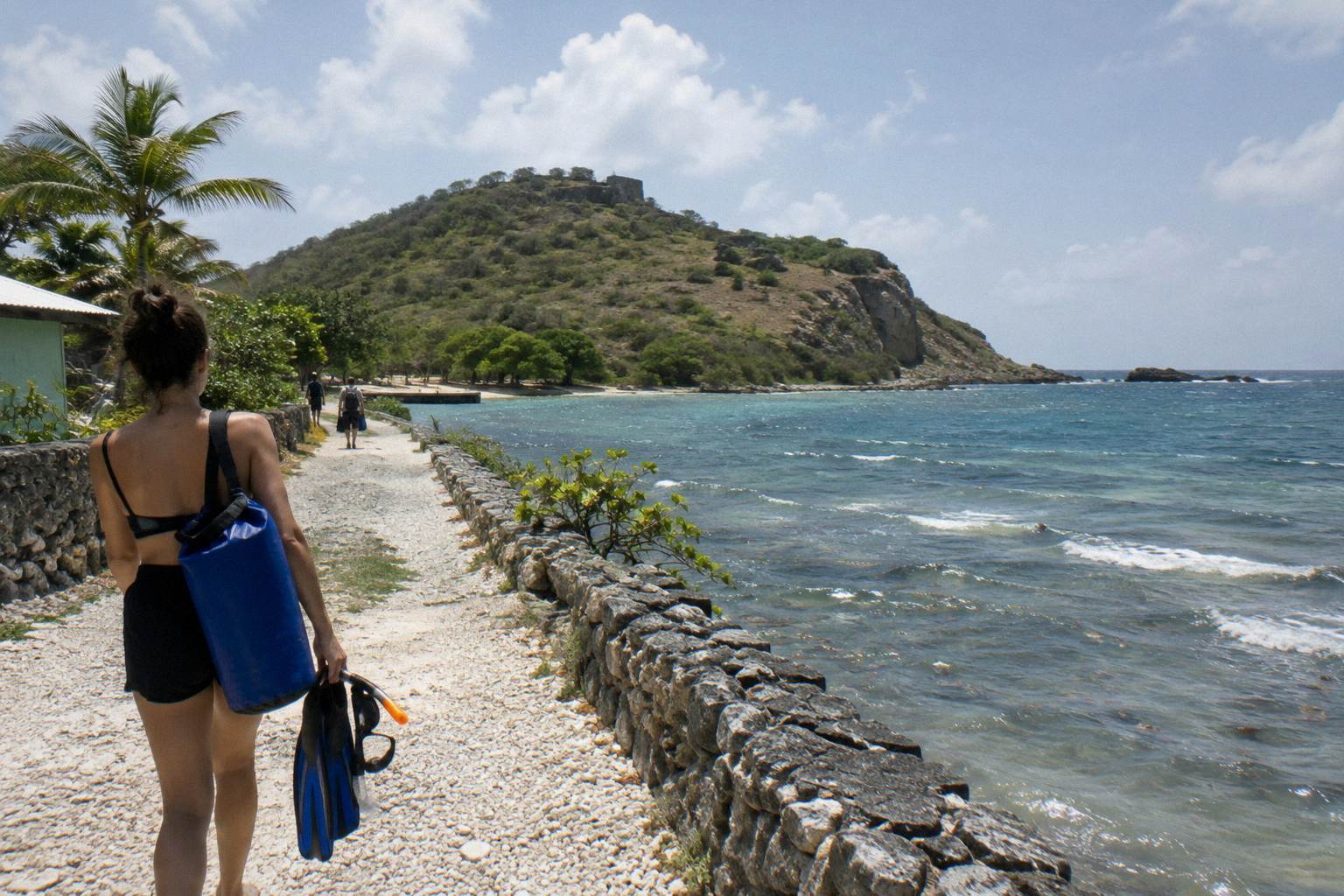
For everything the rest of the family wears and carries on the day, from reef-safe sunscreen to dry clothes, what to wear and bring to a helmet dive collects the practical list, including the tourism authority's line on never touching coral or marine life.
What Trips People Up Before You Book
The avoidable mistakes are specific: assuming every underwater tour handles glasses the same way, budgeting without the items each tour here excludes, counting on pickup from a southern hotel that no product offers, and treating from-prices as fixed totals. Each of these has a plain fix that takes a minute, and none requires giving up on the helmet walk your glasses were worrying about.
The first mistake is format-blindness. Only the helmet walk carries a manufacturer statement that glasses stay on; SNUBA, snorkelling and scuba all run on sealed masks, so a glasses wearer booking those without asking about a prescription mask is booking a blurry experience or a leaky seal. Ask the operator, in one line, before booking any mask-based product.
The second is ignoring the exclusion lines. The helmet walk excludes gratuities, the boat snorkel adds a 10 percent VAT at check-in, the certified scuba tour excludes equipment unless the option is selected and wetsuits entirely, and the private boat tour excludes lunch from about US$15 per person and a fuel surcharge. None of these are hidden, they sit in black and white on each product's booking page, but they are easy to skip when comparing headline prices.
The third is pickup geography. The two Sealife Paradise products collect from northern hotels only; the Dive Fair Helen products collect from northern to western locations only and name the excluded southern areas; the beach snorkel includes no pickup at all. If your base is in the south, the answer is your own transport north, and better to know it at booking than on the morning.
The fourth is price arithmetic. Every figure quoted is a from-price per person in US dollars, varying by date and group, and the booking calendar shows the real amount for your date. The broader money picture, including the EC$2.70 to US$1 peg and how widely US dollars are accepted on the island, is worth five minutes of reading before any Caribbean trip, and St Lucia Helmet Dive publishes these comparisons to make them quick.
Common Questions About Eyewear And Underwater Tours
Can You Wear Glasses Under The Diving Helmet?
Yes, in the manufacturer's words, glasses can stay on. The helmet keeps head and face dry and rests on the shoulders rather than sealing against the face, so a frame has room to exist inside it and nothing presses on the bridge of the nose. The panoramic acrylic lens is the window you and your glasses look through together.
Can You Wear Contact Lenses For Helmet Diving?
Contact lenses are not addressed in the manufacturer or operator material, so nothing reliable can be said here. Ask the operator before booking if contacts are your plan, and mention any eyesight condition you have at the same time.
Do You Need To Swim For The Helmet Walk?
No. The helmet walk listing states swimming is not required, matching the manufacturer's position that comfortable walking is the only physical ask, guided by trained and certified guides. The minimum age is 8. The snorkel and scuba products compared here do require swimming ability.
Does The Helmet Get Your Hair Or Face Wet?
The manufacturer's description is that head and face stay dry, because the helmet works like an inverted glass holding its air pocket, with a constant flow of cooled, dried and filtered air supplied from the surface. That is the manufacturer's description of the design, printed here as attributed rather than as a promise about any particular session.
What If I Wear Glasses And Want To Snorkel Or Try SNUBA?
Both formats use a sealed mask, which a spectacle frame interferes with, and neither product line claims a prescription mask is available. The fix is one question to the operator before booking: can a prescription mask be arranged. SNUBA includes use of all equipment needed for the tour, and the snorkel tours include snorkelling equipment, but eyewear needs are not part of those inclusions.
Is Pickup Included For The Helmet Walk?
Private transportation is included from hotels in the north of the island only, with the exact meeting point sent on the booking confirmation. The same northern pickup applies to SNUBA. The beach snorkel includes no pickup, and the Dive Fair Helen products collect from northern to western locations only, excluding the south of the island.