Best Snorkeling Spots In St Lucia For Beginners
Where a nervous first-timer should actually get in the water in St Lucia, and how the beach, boat, private boat and full-day formats compare on price, time and what is included.
Short answer
Pigeon Island Beach is the Tourism Authority's standout for beginners, with calm, sheltered water reached from the sand. Boat formats from Marigot Bay start from US$83 per person with lunch, private Soufriere boats from US$200, and a beach session from US$70. Sea temperatures hold between 26 and 29 C all year, and mornings are typically calmest.
Every snorkeling product listed here sits under the St Lucia snorkeling tours hub, which groups the beach, boat, private and full-day sessions side by side. The matching work behind those cards: which stretch of water suits a first-timer, which format fits the time and budget available, and what each product actually includes once the mask is on.
| Fact | Detail |
|---|---|
| Standout beginner beach | Pigeon Island Beach, calm sheltered water, per the Saint Lucia Tourism Authority |
| Beach session price | From US$70 per person, 1 hour 30 minutes, equipment and bottled water included |
| Boat session with lunch | From US$83 per person, 5 hours, from Marigot Bay ferry dock |
| Private boat to Soufriere | From US$200 per person, 4 to 6 hours, gear and drinks included |
| Sea temperature | 26 to 29 C (79 to 84 F) all year, Tourism Authority |
| Calmest conditions | Mornings, on the Tourism Authority's own guidance |
| Coast to favour | The west, Caribbean coast generally offers calmer water |
| Cancellation | Free cancellation up to 24 hours before start on the tours on this site |
Where Beginners Should Snorkel In St Lucia
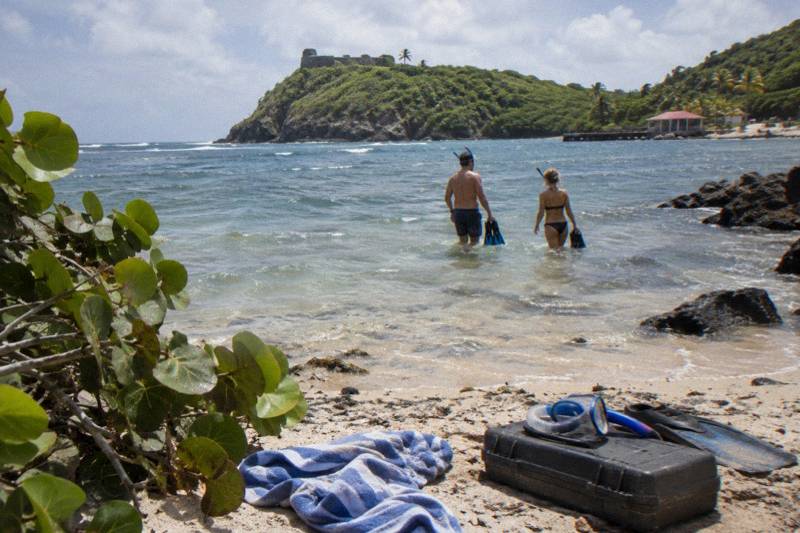
For a first-timer the answer is the sheltered west coast, and above all Pigeon Island Beach, where the Tourism Authority describes calm, sheltered water that is perfect for beginner snorkelers. The surrounding rocky coastline draws a variety of fish and marine life. Beyond that beach, beginners reach the Soufriere end of the island through guided boat products, and Marigot Bay through a five-hour boat session with lunch.
The order matters less than the fit. The Tourism Authority's snorkeling pages give beginners two anchors: the Saint Lucia tourism snorkeling beaches page names Pigeon Island Beach specifically for its sheltered conditions and the fish that the rocky shoreline attracts, and the wider guidance notes that the west, Caribbean coast generally offers calmer water than the Atlantic side. A nervous beginner starting on a sheltered sandy beach has the option to stand up, walk out and try again, which no boat session offers in quite the same way.
That is also why the beach format anchors the low end of the price range. "Snorkeling at Pigeon Island" runs from US$70 per person for 1 hour 30 minutes from the operator's own base on Pigeon Island Beach, with bottled water and snorkelling equipment included and a minimum age of 6. Swimming ability is needed, the same as every snorkel tour compared, but the session is short, close to shore and easy to combine with the rest of the landmark. All amounts are US dollars per person; prices vary by date and the booking page shows the figure for the date chosen.
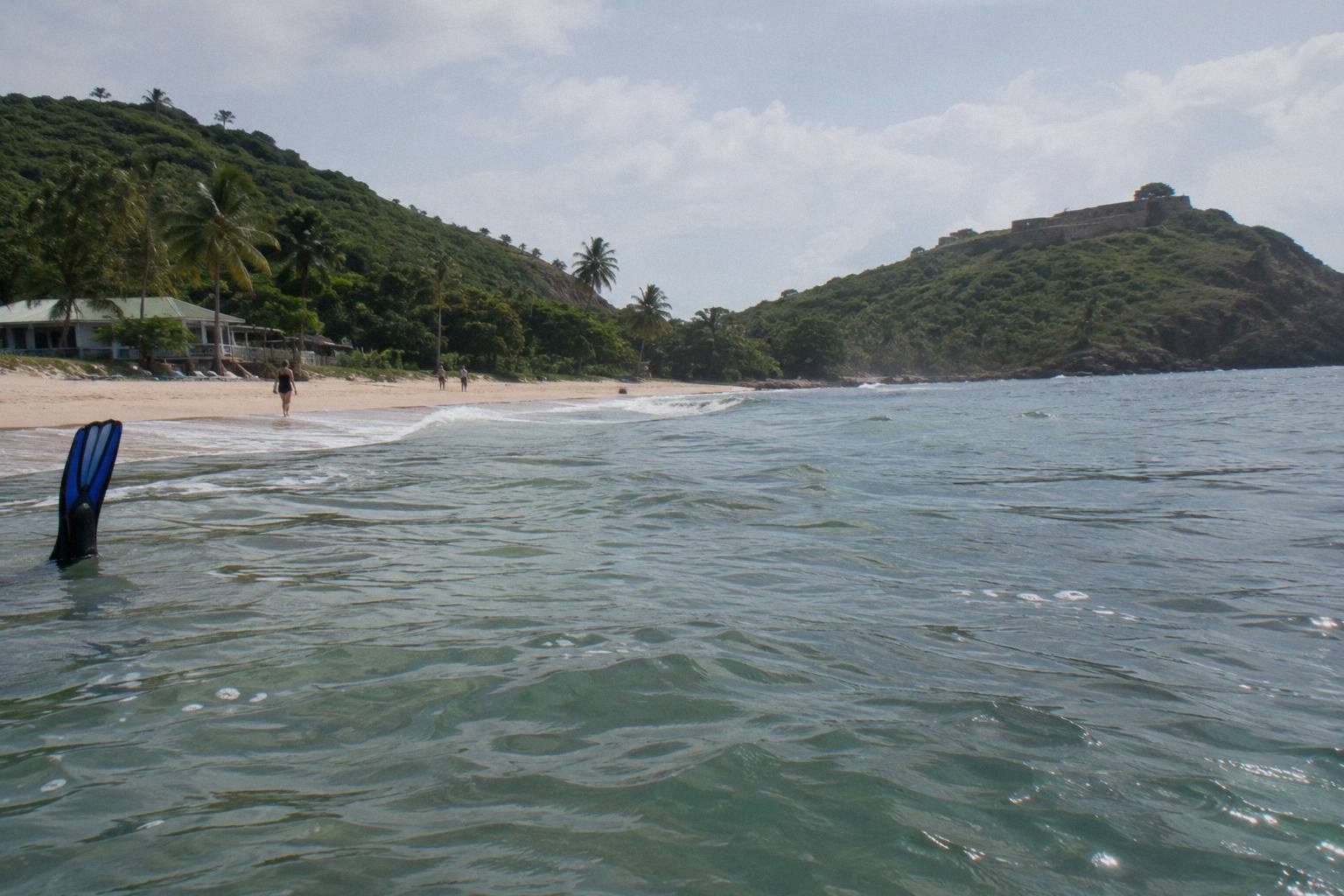
The landmark itself is part of the appeal. Pigeon Island is a 44-acre National Landmark run by the National Trust, joined to the mainland by a causeway built in the early 1970s, with Fort Rodney, Signal Peak and a museum on land and the beach below. The National Trust's Pigeon Island page carries the current hours, 9:30 am to 5:00 pm daily with last entry at 4:15 pm and a closure on December 25, and its own entry fees: US$10 for adults 13 and over, US$3 for children 5 to 12, under 5 free. Those are the National Trust's figures for the landmark, separate from any tour, and fees can change.
Beach, Boat Or Private Charter: Which Format Suits A Beginner
A beginner wanting calm water and a quick session should start at the Pigeon Island beach; a beginner with a full day and a bigger appetite suits the five-hour boat with lunch from Marigot Bay; a group wanting its own pace and the Soufriere coast takes the private boat. The from-prices run US$70, US$83 and US$200 per person, all with free cancellation up to 24 hours before start.
Format is the real decision, more than the spot. The beach session is short and self-contained: 1 hour 30 minutes, minimum age 6, gear and bottled water named as included, no pickup, so it suits anyone already staying in the Gros Islet area or visiting the landmark anyway. The boat session from Marigot Bay swaps convenience of length for reach: 5 hours, minimum age 4, hotel or port pickup from northern to western island locations, lunch, juices, a local guide and equipment all named on the line, though gratuities and southern pickups are not, and the listed price excludes a 10% per person government VAT payable at check-in.
The private boat is a different animal again. "Lucia Private Boat to Soufriere Snorkeling Sightseeing Beach" runs 4 to 6 hours from Castries, Marigot Bay or Rodney Bay docks, private format, with snorkel gear, beverages including beer and local rum, and hotel pickup only from hotels, guesthouses and villas with their own docks. Lunch from about US$15 per person, gratuities and a fuel surcharge are not included. It carries a 4.9 rating from 184 reviews. For a family or a group of friends who want the Soufriere coast without sharing a boat, the arithmetic can work despite the higher from-price, and seeing the live price for a specific date takes one click through to the operator's page.
The quick comparison below reads format against who it suits, which is often the fastest way to narrow the choice before looking at prices at all.
| Format | Who it suits | Watch out for |
|---|---|---|
| Beach session, Pigeon Island | First-timers, short visits, anyone combining with the landmark | No pickup; swimming ability needed |
| Shared boat with lunch, Marigot Bay | Beginners with a full day, families with young children | 5 hours on the water; no southern pickup; VAT at check-in |
| Private boat to Soufriere | Groups wanting their own pace and route | Lunch, fuel surcharge and gratuities excluded |
| Full-day excursion | Beginners who want a guide in the water | All fees and taxes excluded from the listed price |
Between the two extremes sits a fourth option that is not strictly snorkeling at all: the SNUBA session, which the operator describes as a cross between snorkeling and scuba diving, breathing through a regulator fed from a floating raft with no tank and no certification. For a beginner who tries the beach session and wants to go a step further without committing to scuba, "SNUBA Saint Lucia" runs 1 hour 30 minutes from US$112 per person, minimum age 8, maximum 14 travelers, and carries a 4.7 rating from 166 reviews. More detail on how the two compare is in how SNUBA at Pigeon Island stacks up against a helmet dive.
There is also the option of staying dry entirely. The helmet walk, covered in what the SeaTrek seabed helmet walk involves for non-swimmers, needs no swimming at all and starts from US$118 per person. A full breakdown of that trade sits in the article on choosing between SeaTrek, SNUBA, scuba and snorkeling, and the helmet walk itself is bookable through the Pigeon Island SeaTrek tour page.
Pigeon Island Beach For A First Snorkel Session
Pigeon Island Beach is the strongest starting point for a beginner because the Tourism Authority itself calls its water calm and sheltered, the session runs only 1 hour 30 minutes, and the operator's base sits right on the sand, so there is no boat transfer between the beginner and the water. Equipment and bottled water are included, the minimum age is 6, and the from-price is US$70 per person.
The operator behind the beach session, Sealife Paradise, bases itself on Pigeon Island Beach in Gros Islet, and the same operator runs the SNUBA and helmet sessions from the same stretch of coast, which makes the beach a natural first step on a ladder of water confidence. A beginner can book the snorkel session, decide on the day whether the water feels comfortable, and know the SNUBA raft or the helmet walk exists as a next visit. The Tourism Authority's beach safety and swimming tips page is the right primer before that first session: many beaches have no lifeguards, never snorkel alone, mind boat traffic, and never touch coral or marine life.
Swimming ability is needed on the tour line, which is worth taking seriously rather than glossing over. A beginner who cannot swim at all, or who does not want to put their face in the water, has a genuinely better option next door in the helmet walk, which the manufacturer says requires no swimming skills and keeps the head and face dry. The choice between the two formats is covered in depth in whether a helmet dive works for non-swimmers, which walks through what each format asks of a nervous guest.
One planning note on timing: the session length is 1 hour 30 minutes, but the landmark's own hours, 9:30 am to 5:00 pm with last entry at 4:15 pm, frame the day. Mornings are the Tourism Authority's own recommendation for the calmest water and clearest conditions, so a beginner aiming for the most forgiving sea should aim early, and start times are chosen on the booking calendar rather than fixed.
What Each Snorkel Product Actually Includes
The four snorkel lines differ mainly in what surrounds the swim, from gear and water only on the beach line to lunch, drinks, pickup and a guide on the boat lines. From-prices run US$70, US$83, US$200 and US$250 per person across the four formats, and every line carries free cancellation up to 24 hours before start, with swimming ability needed on each.
The table below reads the tour lines directly, product by product, because the inclusions are where the real differences live rather than in the swimming itself.
| Product | From price | Duration | Minimum age | Pickup | Named inclusions |
|---|---|---|---|---|---|
| Snorkeling at Pigeon Island | US$70 | 1 hour 30 minutes | 6 | Not included | Bottled water; snorkelling equipment |
| St Lucia Snorkeling Tour with Lunch | US$83 | 5 hours | 4 | Northern to western locations | Lunch; local guide; water and juices; equipment; dive boat with restrooms |
| Lucia Private Boat to Soufriere | US$200 | 4 to 6 hours | None on the line | Dockside hotels, or Castries, Marigot Bay, Rodney Bay ports | Snorkel gear; bottled water, beer, local rum, soda; guide through the tour |
| Best Of Full-Day Snorkeling & Beach Excursion | US$250 | 5 hours | None on the line | Included | Local lunch, chicken or fish with local sides; beer and rum punch; sodas; equipment; guide in and out of the water |
Two surcharges and exclusions deserve their own sentence. The Marigot Bay boat line's listed price excludes a 10% per person government VAT payable at check-in, and its southern counterpart restriction applies too: no pickup from Soufriere, Vieux Fort, Micoud or Dennery. The private boat line excludes lunch, from about US$15 per person, gratuities and a fuel surcharge, and the full-day line excludes all fees and taxes. None of that makes a product a poor choice; it just means the number on the booking page and the number paid on the day can differ, and reading each line before choosing avoids surprises.
The full-day line, run by Solomon Water Taxi & Tours, carries a 5 rating from 69 reviews and includes a guide who stays with guests in the water, which for a beginner is arguably the most valuable single inclusion on the whole table. The Marigot Bay boat line, run by Dive Fair Helen, carries a 4.5 rating from 126 reviews, and the beach session a 4.4 from 16 reviews. Ratings are printed here with their counts because the pools differ widely, and a small pool says less than a large one.
The Soufriere And Marigot Bay Ends Of The Island
The south end around Soufriere is reached through the private boat or the full-day excursion, both of which build the journey into the product, while Marigot Bay is the departure point for the five-hour shared boat with lunch. None of these requires a beginner to organize separate transport from the north if pickup applies, and the west coast route to Soufriere is the calmer side of the island.
The private boat line departs from Castries, Marigot Bay or Rodney Bay docks and runs down to Soufriere with sightseeing built in, which is why its duration stretches from 4 to 6 hours rather than a fixed length. For beginners the appeal is pace: a private format means the stop lengths bend to the group, and the included beverages, bottled water, beer, local rum and soda, soften a long day on the water. The operator, Captain Cliff Adventure Tours, includes a guide through the tour. Guests wanting the same coastline on a shared boat at a lower from-price can check dates on the live page. The rest of the planning pages sit on St Lucia Helmet Dive.
The full-day line covers similar ground with everything shared: a 5-hour excursion from US$250 per person with pickup included, a local lunch of chicken or fish with local sides, local beer and rum punch, non-alcoholic drinks, and a guide who snorkels alongside guests. It is the only tour compared whose guide is explicitly in the water with the group, which for a first-timer is a meaningful reassurance. The catch is the exclusion of all fees and taxes from the listed price, so the amount due on the day sits above the headline figure.
Marigot Bay itself, on the west coast, serves as the ferry-dock departure for Dive Fair Helen's shared boat. The bay is a classic anchorage and the boat is described as spacious with restrooms, which matters on a five-hour trip more than it sounds. That operator also runs the beginner and certified scuba lines from the same bay, and the same pickup geography applies: northern to western island locations only, nothing from the far south. A fuller picture of that area's underwater options is in the guide to a beginner scuba try dive in St Lucia.
A Beginner Checklist Before Getting In The Water
The Tourism Authority's own beach-safety lines give beginners the short list: never snorkel alone, mind boat traffic, use reef-safe sunscreen, and never touch coral or marine life, all on a coast where many beaches have no lifeguards and the west side is generally calmer. Add the tour basics, swimming ability needed and a minimum age on each line, and the checklist is complete without anything invented.
The safety lines deserve their plain reading. Snorkeling alone is the single behaviour the guidance targets most directly, and on a beach with no lifeguard it is the one rule that changes outcomes. Boat traffic matters at any beach near a dock or a water-taxi route, and Pigeon Island's causeway and nearby marina mean craft do pass. Reef-safe sunscreen protects the coral the fish depend on, and keeping hands off coral and marine life is both a conservation rule and a practical one, since contact damages both sides of it.
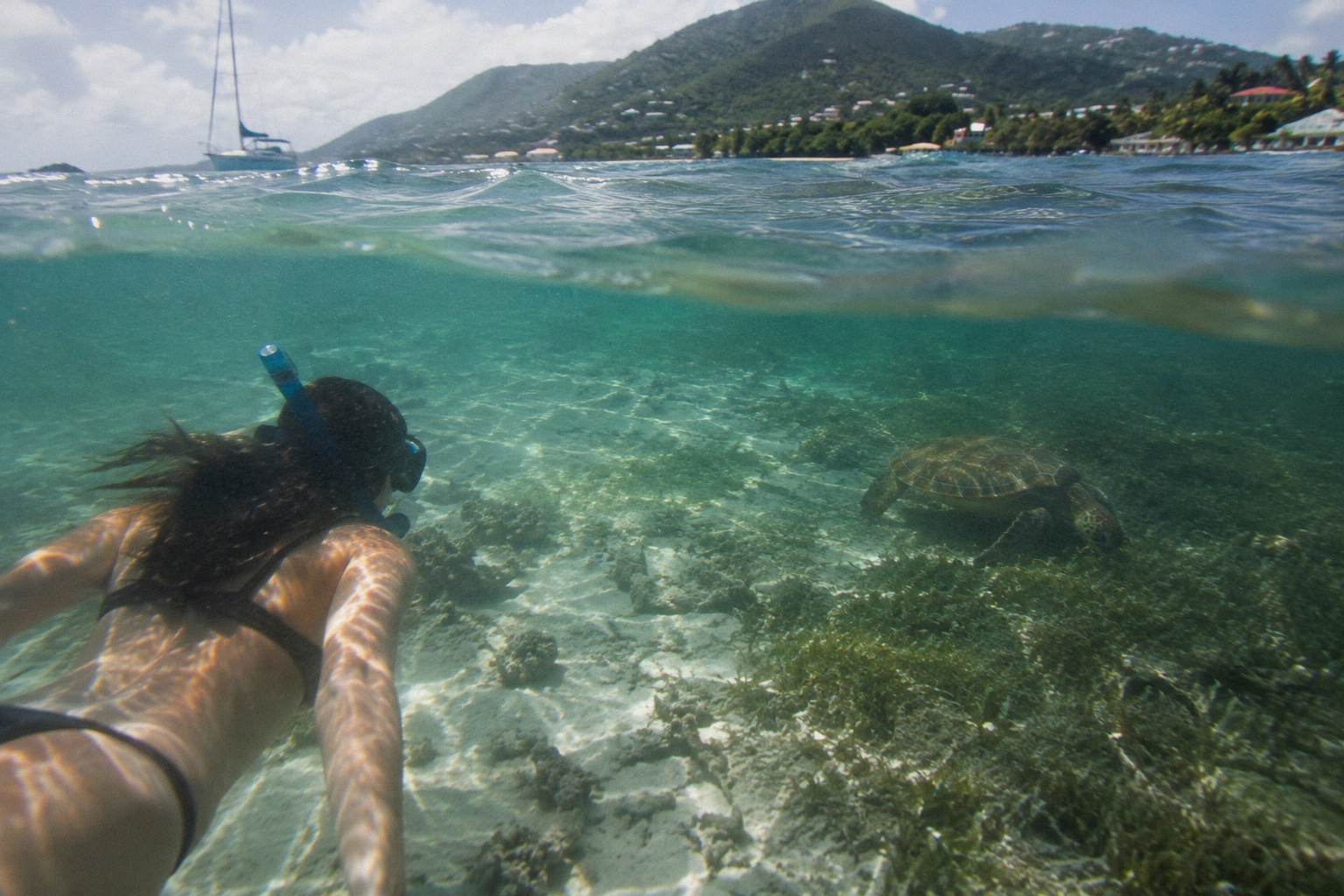
Beyond safety, the tours on this site answer the practical questions a beginner actually asks. Gear is included on all four snorkel lines, so there is nothing to buy or pack beyond swimwear and sunscreen. Water is included on the beach line, water and juices on the boat line, a full beverage spread on the private boat, and beer and rum punch on the full-day excursion, which affects who should drive afterwards. Lunch appears on three of the four lines and not on the beach session, which is short enough not to need one. Pickup splits cleanly: not included on the beach line, northern-to-western on the Marigot Bay line, dock-and-port only on the private boat, included on the full day.
| Checklist item | What the guidance says | Where it applies |
|---|---|---|
| Never snorkel alone | Tourism Authority beach-safety line | Every beach, lifeguard or not |
| Mind boat traffic | Tourism Authority beach-safety line | Beaches near docks and taxi routes, including the Pigeon Island causeway area |
| Reef-safe sunscreen | Tourism Authority snorkeling guidance | All coastal water |
| Never touch coral or marine life | Tourism Authority snorkeling guidance | All coastal water |
| Swim with a buddy or guide | Guide in the water on the full-day line | Boat formats and guided sessions |
One medical note belongs here rather than buried in a FAQ. The operator's booking pages carry an advisory for the helmet walk and SNUBA sessions at Pigeon Island: not recommended for pregnant travelers, travelers with poor cardiovascular health or travelers with spinal injuries. Anyone in those categories should ask the operator or a doctor before booking, and the same routing applies to any specific health question about a day on the water.
When To Go: Time Of Day And Time Of Year
Mornings give beginners the calmest water and the clearest conditions on the Tourism Authority's guidance, sea temperature holds between 26 and 29 C all year so cold is never the barrier, and the December to April dry season is the busiest and driest window, with the rainy season running June to December and the Atlantic hurricane season from June 1 to November 30.
The seasonal picture is straightforward on the Saint Lucia travel seasons and weather page: December to April is the driest and busiest stretch, the rainy season from June to December brings showers that are usually brief, and the hurricane season overlaps it. The US National Hurricane Center's climatology page fixes the Atlantic season at June 1 to November 30. None of that rules out a summer trip; it just shifts the planning, and the island's own guidance notes showers in the rainy season tend to pass quickly.
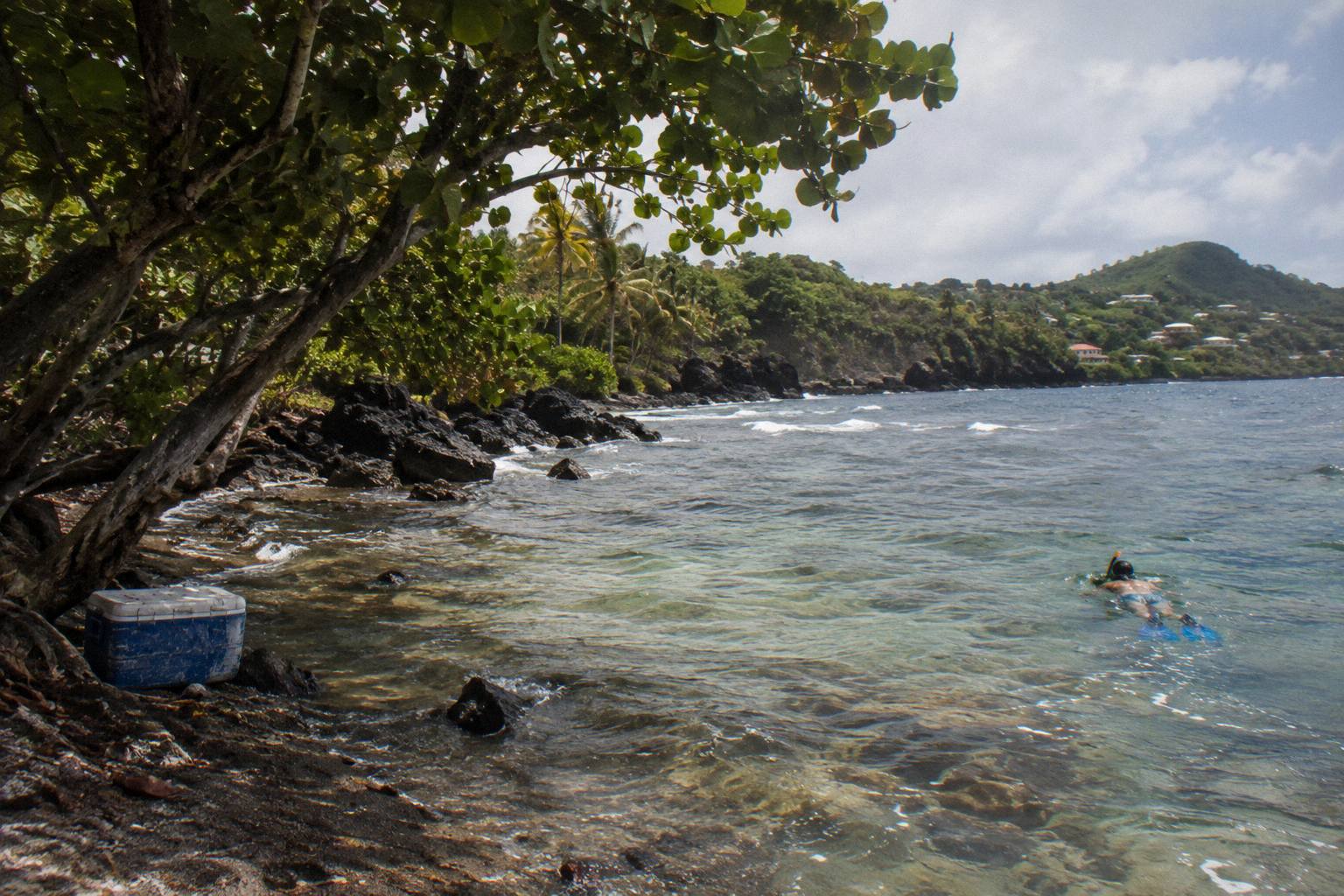
For a beginner the time of day matters more than the month. The sea's annual temperature band, 26 to 29 C, means no wetsuit logic is needed at any point in the year; what changes through the day is surface condition, and mornings are when the Tourism Authority says the water is calmest and the visibility clearest. A first snorkel scheduled for the morning, on the sheltered west coast, from a sandy beach, stacks every forgiving factor at once. Session start times are chosen on the booking calendar, so booking an early slot is the lever a reader actually controls.
| Season | Months | What it means for snorkelers |
|---|---|---|
| Dry season | December to April | Driest and busiest window; most visitors on the water |
| Rainy season | June to December | Showers usually brief; sea temperature unchanged |
| Hurricane season | June 1 to November 30 | Overlaps the rainy season; the island's guidance lets hurricane-hit trips be cancelled or rescheduled |
| Cruise season | October to April | Up to five ships in Castries on one day; busier beaches near port |
Cruise passengers should note the port rhythm: the main cruise season runs October to April, with up to five ships in Castries on a single day, and fitting an underwater excursion into a port day has its own guide in planning a cruise day around an underwater tour in St Lucia. Land-based visitors flying into Hewanorra should budget about 1 hour 40 minutes to Pigeon Island by road, on the tourism authority's own figure.
What Trips People Up Before You Book
The mistakes are consistent: assuming pickup is included when a line excludes it, budgeting the from-price without the named surcharges, expecting the south of the island to be covered when the shared-boat pickup stops at the western end, and booking a full-day product for a beginner who only wants a short session in the water. Reading the pickup line, the exclusions and the duration on the specific product solves all four.
Pickup geography is the quiet trap. The beach session includes no pickup at all, the Marigot Bay and scuba-family lines pick up only from northern to western locations and explicitly not from Soufriere, Vieux Fort, Micoud or Dennery, while the private boat takes dockside hotels and the three named ports, and the full-day line includes pickup. A guest staying in the far south booking a northern product without checking that line arrives to a problem no operator can fix on the day. The rule is simple: match the product's pickup line to where you sleep.
Surcharges are the second trap, and they are named here rather than hidden. The Marigot Bay boat adds a 10% per person government VAT at check-in, the private boat excludes lunch from about US$15 per person plus gratuities and a fuel surcharge, and the full-day line excludes all fees and taxes. The beach session names no surcharge but excludes nothing beyond what it never claimed. Free cancellation up to 24 hours before start applies across all the tours on this site, which is the buffer if plans move.
The third trap is format mismatch. A nervous first-timer booked onto a five-hour boat day can have a long morning of it, while a confident swimmer on a short beach session may finish wanting more. The sensible sequence for most beginners is the beach session first, then decide, with the SNUBA raft or the helmet walk as the next step if the water feels good and the swimming feels bad. Anyone weighing that step can start from the SNUBA tour page or compare formats directly, and the same reasoning runs through whether the helmet walk is worth it against snorkeling.
A final note for anyone combining water days with flights: the DAN preflight surface intervals, 12 hours after a single no-decompression scuba dive and 18 hours after multiple dives or days, are scuba guidance, and whether any interval applies to SNUBA or helmet walking is a question for the operator rather than a number to assume. The guide to SNUBA and flying home on the same trip covers what is and is not settled.
Common Questions About Beginner Snorkeling In St Lucia
Where Is The Best Place For Beginners To Snorkel In St Lucia?
Pigeon Island Beach, on the Tourism Authority's own description of calm, sheltered water that is perfect for beginner snorkelers, with a rocky coastline that attracts a variety of fish. The beach session there runs 1 hour 30 minutes from US$70 per person with equipment and bottled water included, minimum age 6, swimming ability needed.
Do I Need To Be Able To Swim To Snorkel In St Lucia?
Yes for every snorkel product compared, all of which list swimming ability as needed. A guest who cannot swim or prefers to stay dry has the helmet walk instead, which the manufacturer says requires no swimming skills and keeps head and face dry, from US$118 per person, minimum age 8.
How Much Does Snorkeling In St Lucia Cost?
From US$70 per person for the beach session at Pigeon Island, from US$83 for the five-hour boat trip with lunch from Marigot Bay, from US$200 for the private boat to Soufriere, and from US$250 for the full-day excursion with lunch and drinks. All amounts are US dollars per person and vary by date; the booking page shows the price for the date chosen.
Is The West Coast Calmer For Snorkeling Than The East?
The Tourism Authority says the west, Caribbean coast generally offers calmer waters, which is why the beginner-facing products, Pigeon Island, Marigot Bay and the Soufriere route by boat, all sit on that side. Mornings are the calmest and clearest time of day on the same guidance.
What Is The Water Temperature For Snorkeling In St Lucia?
Sea temperatures stay between 26 and 29 C, or 79 to 84 F, throughout the year, per the Tourism Authority. No month needs special thermal protection on temperature grounds, so timing a trip turns on weather, crowds and price rather than cold water.
Is Snorkeling Safe For Children In St Lucia?
The tours on this site set minimum ages: 6 on the beach session, 4 on the Marigot Bay boat, with no minimum published on the private boat or full-day lines. The Tourism Authority's beach-safety guidance applies to children as much as adults: never snorkel alone, mind boat traffic, and never touch coral or marine life, on beaches where many have no lifeguards.