Is Sea Trek The Same As Helmet Diving?
Sea Trek is a brand of helmet diving made by Sub Sea Systems, and in St Lucia the names are used for the same seabed walk. Here is how the terms differ and what each one gets you.
If you are weighing the beginner underwater options on the island, start with the beginner underwater tours in St Lucia hub, which gathers the helmet walk, SNUBA and snorkel products in one place. The short version of the name question: Sea Trek is a brand, helmet diving is the activity, and in St Lucia the bookable product carries both ideas at once. The three layers of naming sit side by side below.
| Fact | Detail |
|---|---|
| What Sea Trek is | A helmet diving system made by Sub Sea Systems |
| What helmet diving is | The activity of walking underwater on a supplied-air helmet |
| The St Lucia product | SeaTrek St. Lucia, the Seabed Helmet Walk, No Swimming |
| Where it runs | Pigeon Island, Gros Islet, with Sealife Paradise |
| Minimum age | 8 years |
| Swimming skill | Not required |
| Duration | 1 hour 30 minutes total, about 25 minutes underwater |
| Price | From US$118 per person |
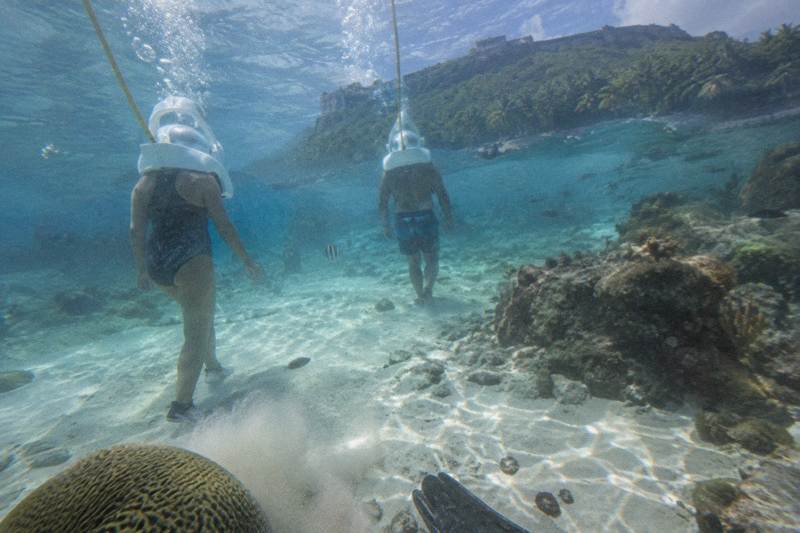
Yes, in practice the two names describe the same experience in St Lucia. Sea Trek is a brand name for a particular helmet diving system made by Sub Sea Systems, while helmet diving is the general activity of walking on the seabed with air supplied from the surface. The operator Sealife Paradise sells its version as SEA Trek, so on the booking page the brand and the activity sit side by side.
The manufacturer describes SeaTREK as its "innovative helmet diving system" and calls itself the largest and most recognized helmet diving brand in the world, which explains why the brand name has become shorthand for the whole activity in many destinations, the manufacturer's SeaTrek page spells out the same points travelers ask about most: a weighted helmet, continuous surface-supplied air, walking on the seabed without scuba gear, tanks or mouthpieces, no certification, and a minimum age that is typically 8. In other words, everything the generic phrase helmet diving promises is exactly what the Sea Trek brand delivers.
The Saint Lucia Tourism Authority adds to the overlap by promoting it as "Sea Trek Helmet Diving", stacking both names on one line. Operators and tourist sources around the island use the terms interchangeably, and there is nothing wrong with that: the brand is one implementation of the broader category, and on a small island with a single operator running the product at Pigeon Island, the distinction has no practical effect on what you book or what you do on the day.
Where the naming does matter is comparison shopping. If you search for helmet diving and find a Sea Trek page, or search Sea Trek and find a helmet dive, you have not landed on two different products. Anyone who wants the longer history of the wording can read what underwater walking is called around the world: the same surface-supplied principle shows up under several regional names, and Sea Trek is simply the most branded of them. The table below untangles each layer of the naming.
| Name | What it is | Where you see it |
|---|---|---|
| SeaTREK | The manufacturer's brand for its helmet diving system | The Sub Sea Systems manufacturer page |
| Helmet diving | The activity category: walking underwater on supplied air | General usage, tourism descriptions |
| SEA Trek | The operator's own name for its helmet walk | Sealife Paradise's tours page |
| SeaTrek St. Lucia | The bookable product, the Seabed Helmet Walk, No Swimming | The booking page and the product's tour page |
Who Makes The SeaTrek Helmet And Why The Name Confuses People
The helmet is made by Sub Sea Systems, a company that brands its surface-supplied walking system as SeaTREK. The confusion comes from three layers: a manufacturer brand, an activity category, and an operator's own product name, Sealife Paradise's SEA Trek, all pointing at one bookable walk on the seabed at Pigeon Island. Nothing about the naming changes the experience itself.
The manufacturer's engineering answers most of the "is this real diving" questions before they are asked. The helmet works, in the manufacturer's words, similar to an inverted glass: air stays inside as long as the helmet is not turned over, and a constant flow of cooled, dried and filtered air keeps the supply fresh. That air travels by hose from an electrically powered air center on the surface, and the helmet rests on your shoulders rather than being carried. The body is polycarbonate and marine-grade components with a panoramic acrylic lens, so the view is wide and the head and face stay dry, in the manufacturer's description.
The manufacturer's own slogans are unusually direct about who the product serves: "just walk and breath", ages "8-96+", "Can't swim? No worries!", and "Glasses on? No problem!". Prescription glasses can stay on because there is no mask sealing against your face. Trained and certified guides accompany every tour, again per the manufacturer. The manufacturer also gives the helmet's underwater weight as about 15 lb, which is its figure for the equipment, not a limit on any guest.
The operator layer is Sealife Paradise, whose own tours page invites visitors to "slip on our space-age helmet, breathe naturally, and step into a world of vibrant coral, tropical fish", with no swimming required, the operator's tours page is the clearest primary source for how the product is pitched locally. The operator promises small groups, certified guides and free transfers within the north of the island. So when a friend says they did helmet diving in St Lucia and a brochure says Sea Trek, they are describing the same hour and a half. For travelers comparing names before booking anything, St Lucia Helmet Dive exists to keep exactly these terms straight for the island's underwater products.
For the activity itself, the Seabed Helmet Walk, No Swimming page carries the full current details: from US$118 per person, 1 hour 30 minutes in total, shared format, minimum age 8, private transportation included, gratuities not included, and free cancellation up to 24 hours before the start. Amounts are in US dollars, and prices vary by date and group, so the booking page shows the price for the date you choose.
How The SeaTrek Helmet Actually Works Underwater
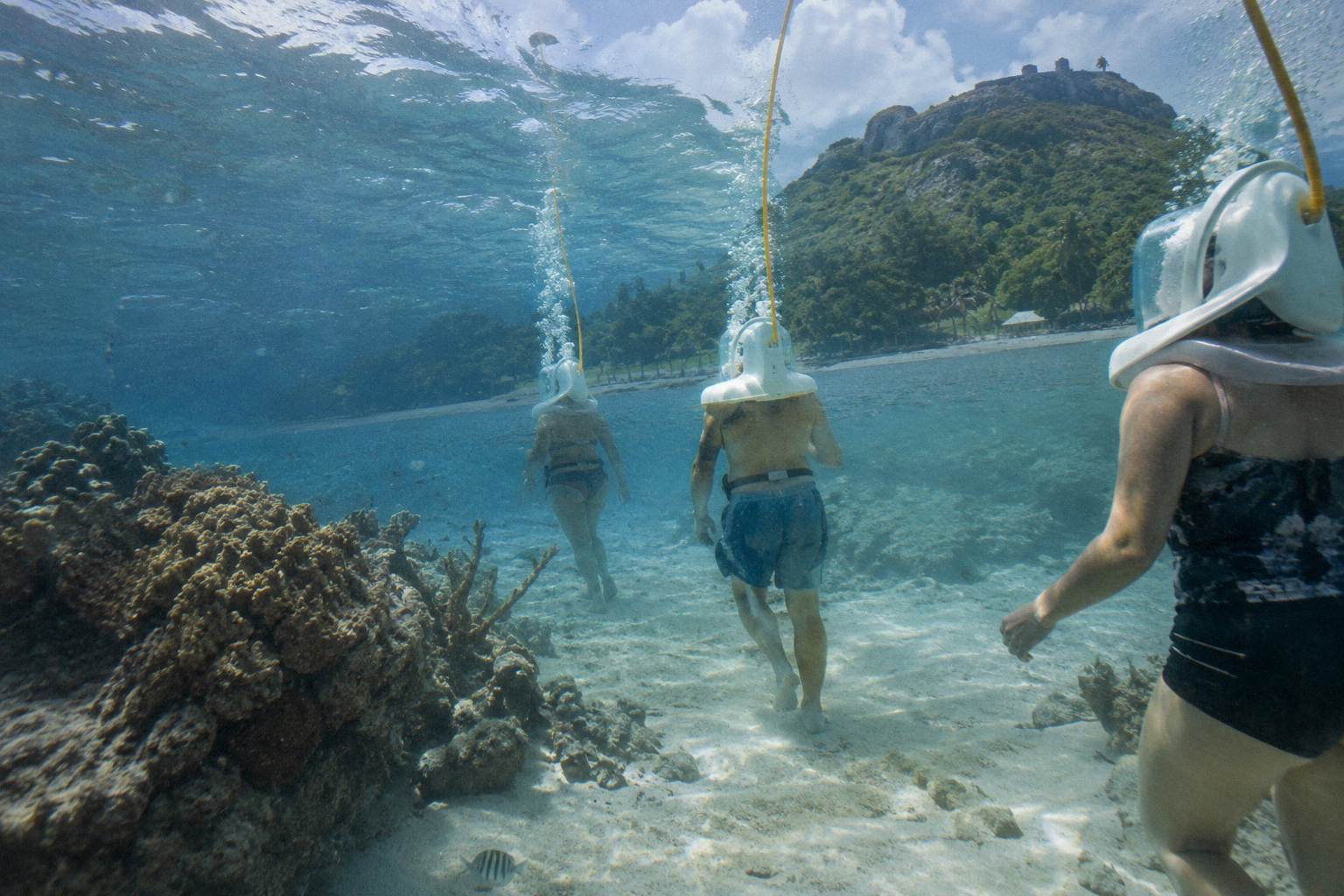
Air reaches the helmet through a long hose from a powered air center on the surface, feeding a constant flow of cooled, dried and filtered air into the space around your head. Because the helmet behaves like an inverted glass, the air stays in as long as the helmet stays upright, so you breathe normally while walking on the seabed.
That single principle is what separates this from every other beginner underwater option. A snorkeler breathes through a tube with their face in the water. A scuba diver carries a tank and breathes through a regulator, which is why certification and training are involved. A helmet walker does neither: the air supply stays above the water, the delivery is mechanical, and the only skill required, as the manufacturer puts it, is comfortable walking. The helmet's own weight, about 71 lb out of the water per the manufacturer's figures, drops to its stated underwater feel of roughly 15 lb once submerged, which is why the manufacturer describes the experience as near weightlessness.
The dry head and face matter more than they sound. Glasses stay on. Hair stays dry. There is no mouthpiece, so nothing to clench or clear, and nothing to learn before stepping down the ladder into the water. Guides are in the water with the group throughout, and the session structure in St Lucia runs about 10 minutes of briefing and about 25 minutes underwater within a total of 1 hour 30 minutes.
What the helmet does not do is turn you into a diver. You walk, you do not swim, and you stay with the guide. Because the air supply is continuous and the pocket around your head never floods while the helmet is upright, the manufacturer's answer to the breathing question is simply that you do breathe normally. Anyone curious about the vintage gear that shared the surface-supplied principle can look into whether old-style brass diving helmets differ from a modern Sea Trek helmet: the two eras share the hose-from-above idea, but the acrylic lens, the filtered air flow and the walk-only format are all modern.
Sea Trek Vs SNUBA Vs Scuba Vs Snorkeling In St Lucia
Sea Trek and helmet diving are the same thing, but SNUBA, scuba and snorkeling are genuinely different products with different gear, ages and skill requirements. The helmet walk needs no swimming, SNUBA needs a regulator and a raft, scuba needs training and a tank, and snorkeling needs swimming ability plus a mask. Prices in St Lucia start from US$70 to US$132 per person depending on format.
The table below compares the formats you can actually book on the island, using each product's own details. All prices are per person, in US dollars, and are from prices that vary by date.
| Product | Gear | Swimming needed | Minimum age | Duration | From price |
|---|---|---|---|---|---|
| SeaTrek St. Lucia (helmet walk) | Surface-supplied helmet, no tank | No | 8 | 1 hour 30 minutes | US$118 |
| SNUBA Saint Lucia | Regulator on a hose from a floating raft | No | 8 | 1 hour 30 minutes | US$112 |
| St Lucia Beginner Scuba Diving Tour | Tank and regulator, instructor training | Yes | 12 | 5 hours | US$132 |
| Snorkeling at Pigeon Island | Mask, snorkel and fins | Yes | 6 | 1 hour 30 minutes | US$70 |
The distinction worth holding onto: helmet diving and Sea Trek are synonyms, while the other three are alternatives. SNUBA, which the operator calls "a cross between snorkeling and scuba diving", gives you a regulator fed from a floating raft, no tank on your back and no certification, with a maximum of 14 travelers per group and a minimum age of 8. Snorkeling at Pigeon Island is the gentlest and cheapest entry point, from US$70 per person with bottled water and snorkel equipment included, minimum age 6, but it requires swimming ability and no pickup, since you meet at Pigeon Island Beach. The two Sealife Paradise water products both depart from Pigeon Island with pickup included from hotels in the north of the island only.
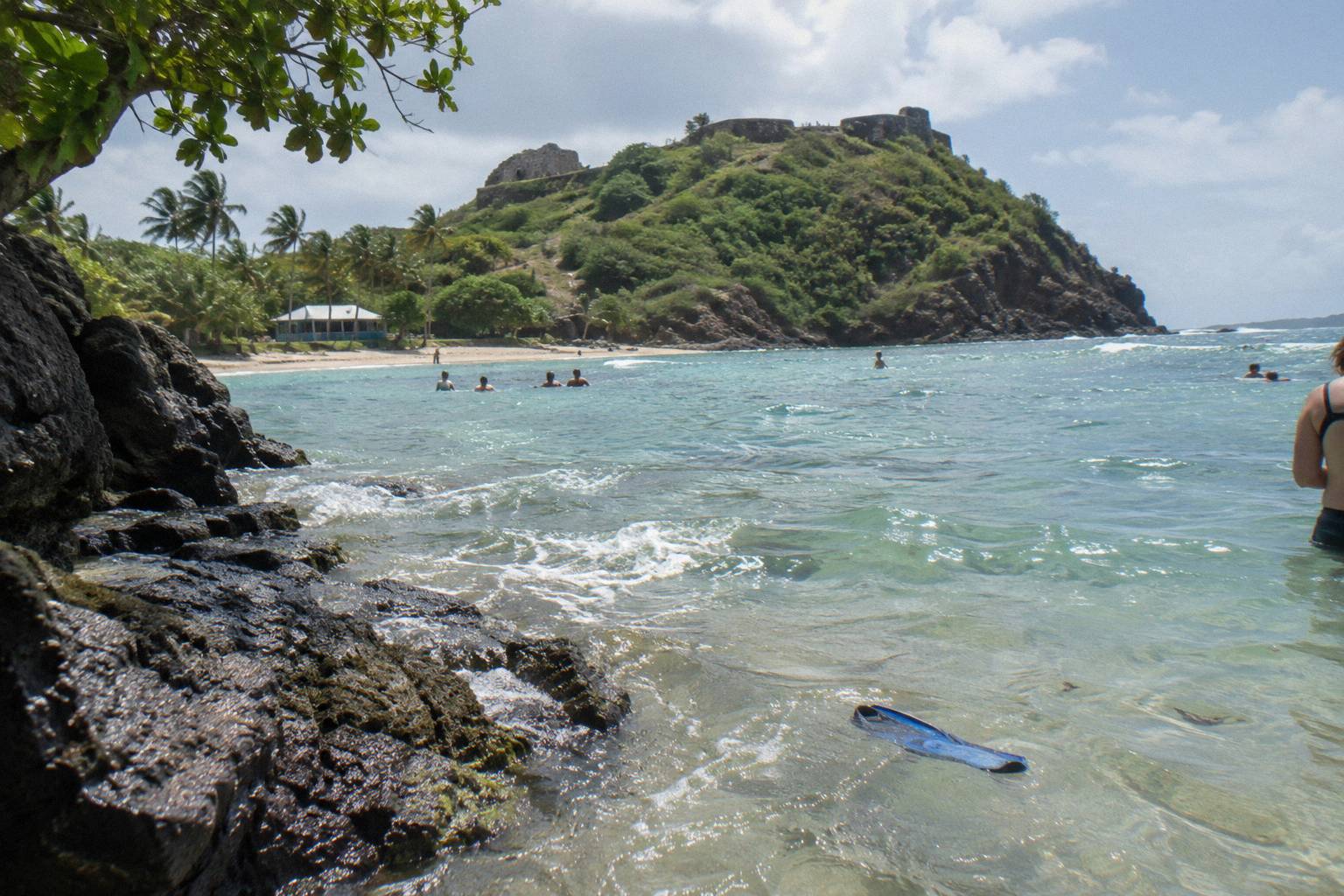
The Tourism Authority's snorkeling guidance notes that Pigeon Island Beach has calm, sheltered waters that suit beginner snorkelers, and that sea temperatures around the island stay between 26 and 29 C all year, with mornings usually the calmest and clearest, according to the Saint Lucia tourism snorkeling beaches page. None of that is a promise about any given day, but it explains why so many beginner products cluster at this one beach.
What The St Lucia Booking Actually Includes
The product is titled SeaTrek St. Lucia, runs 1 hour 30 minutes from Pigeon Island, and costs from US$118 per person in a shared group. Private transportation is included from hotels in the north of the island, gratuities are not, the minimum age is 8, swimming is not required, and cancellation is free up to 24 hours before the start.
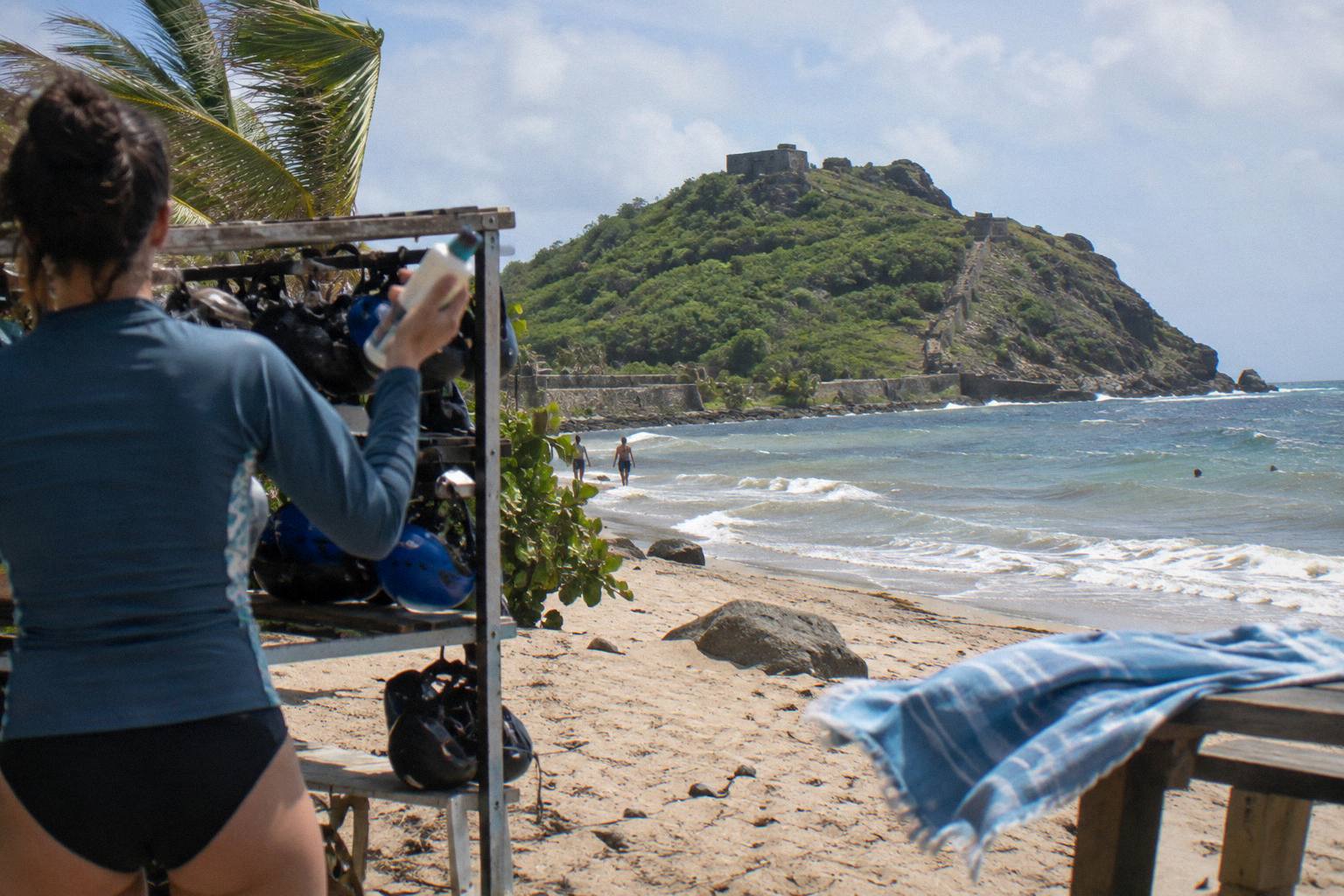
The pickup detail decides a lot of itineraries. Transfers cover hotels in the north of the island only, and the exact meeting point arrives on the booking confirmation, so anyone staying in the south, around Soufriere or Vieux Fort, should ask the operator before booking rather than assuming. The experience itself divides into about 10 minutes of briefing and about 25 minutes underwater, with the balance spent on preparation and the walk to and from the water at Pigeon Island Beach, where the operator is based.
Photos are not among the included items, and gratuities are excluded, which is normal on the island where tipping runs about 10 to 12 percent of bills and is not added automatically. The start time is chosen on the booking calendar, so check the calendar for the day you want rather than planning around a fixed hour. Check availability if you want the live price and open dates for your travel window.
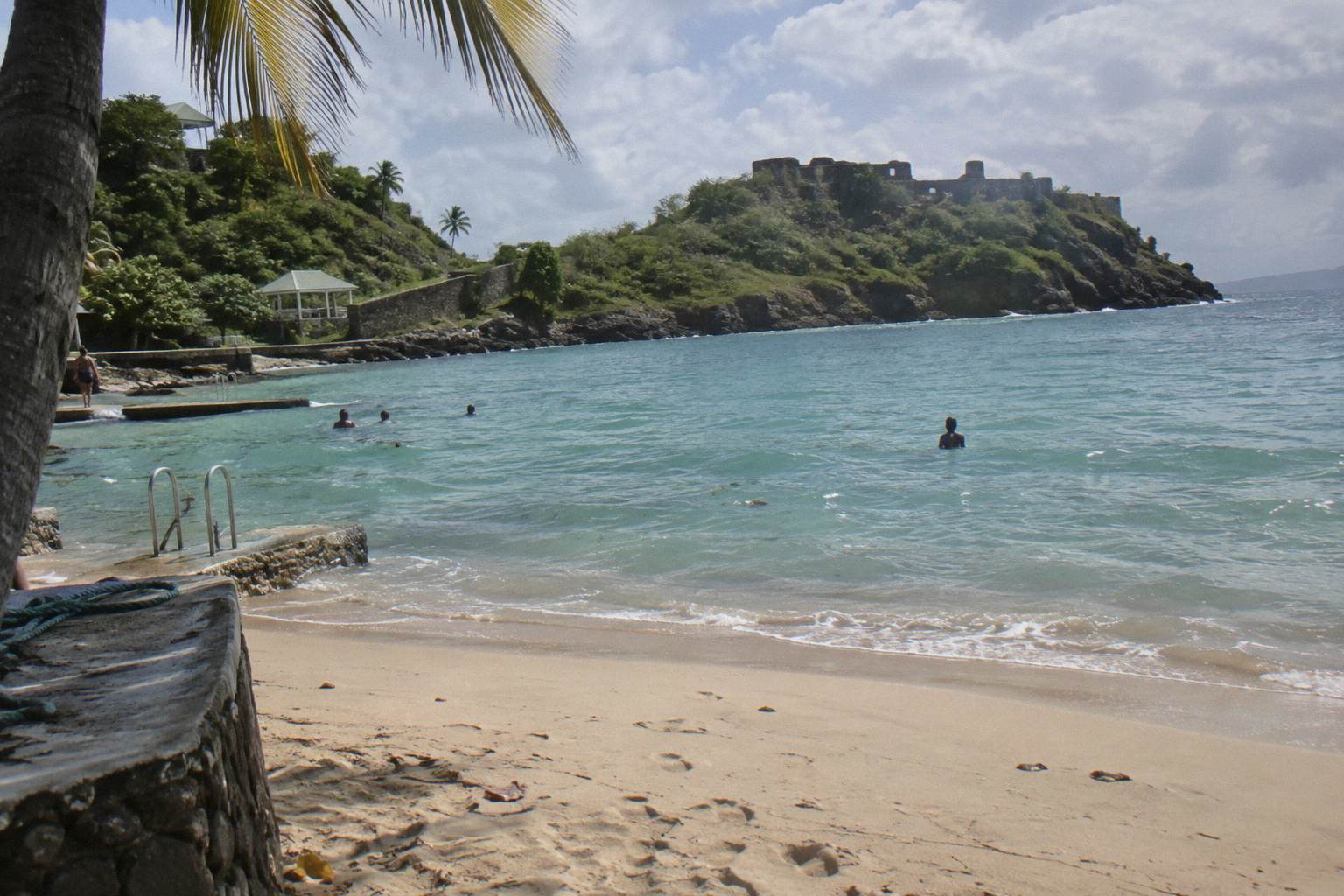
Pigeon Island itself is worth the trip beyond the water. The 44-acre National Landmark, a National Park since 1979 and a National Landmark since 1992, is joined to the mainland by a causeway built in the early 1970s and holds Fort Rodney, Signal Peak, a museum and military ruins. The National Trust opens it daily from 9:30 am to 5:00 pm with last entry at 4:15 pm, closed December 25, and non-resident entry is US$10 for adults 13 and over and US$3 for children 5 to 12, under 5 free. Those are the National Trust's own fees and they can change; whether any tour price touches them is something to ask the operator, since no product here states it either way.
If the helmet appeals but you want more independence underwater, SNUBA is the natural next look: from US$112 per person, 1 hour 30 minutes, ages 8 and up, equipment and post-tour water included, maximum 14 travelers, and the same north-of-island pickup and 24-hour free cancellation terms. It rates 4.7 from 166 reviews against the helmet walk's 4.8 from 231, both with healthy review pools.
Ages, Swimming And Medical Questions
The manufacturer's line is ages 8 and up, no swimming skills required, comfortable walking is enough, and the minimum age for the St Lucia product is 8. The operator's booking page adds a medical caution, not recommended for pregnant travelers, travelers with poor cardiovascular health or travelers with spinal injuries, and anyone in those groups should ask the operator or a doctor.
The age question comes up constantly because families plan around it. Eight is the floor for both the helmet walk and SNUBA, while the beach snorkel at Pigeon Island drops to 6 and the scuba tours rise to 12, so a family with children between those marks often lands on the helmet or the beach snorkel by default. The manufacturer's cheerful "ages 8-96+" framing means there is no upper limit stated. Families weighing the decision can dig into the age-limits detail in the guide to kids on a Sea Trek dive, and the medical caution has its own fuller treatment in the guide to medical conditions and pregnancy for helmet diving.
The swimming question is the cleanest answer in underwater tourism: no, the skill is not needed, because you walk rather than swim and the guide stays with the group. Non-swimmers have a fuller discussion in helmet diving for non-swimmers, since the snorkel products do require swimming ability and should not be treated as equivalents even though they share the same beach.
One boundary the names do not cross: whether DAN's flying-after-diving intervals apply to helmet diving or SNUBA is not addressed in DAN's guidance, which covers scuba, so ask the operator if a flight follows the tour. The DAN scuba rule itself is a minimum 12-hour surface interval after a single no-decompression dive and 18 hours after multiple dives or multiple days. And on the question of overall risk, no verdict is offered here: the manufacturer notes trained and certified guides on every tour, and the Tourism Authority's general beach guidance, never snorkel alone, mind boat traffic, use reef-safe sunscreen and never touch coral or marine life, applies to everyone in the water.
What Trips People Up Before You Book
The commonest mistakes are treating Sea Trek and helmet diving as two different products, assuming pickup covers the whole island, expecting photos in the price, and confusing the helmet walk with scuba or SNUBA, which have different ages, gear and skill needs. Reading the product's own details before paying avoids nearly all of the confusion.
First, the name trap in reverse: some travelers book a generic "helmet dive" elsewhere on the assumption that all such products are equivalent, then discover the operator, beach and terms differ. In St Lucia there is one helmet diving product on offer at Pigeon Island with Sealife Paradise, from US$118 per person, and everything about the session, briefing length, underwater time, transport and cancellation, attaches to that product, not to the category name.
Second, location. Pickup is from hotels in the north of the island only, and the meeting point comes with the booking confirmation. Cruise passengers and south-coast visitors should ask the operator directly rather than infer anything from the product title, and the drive figures that are officially sourced run the other direction: Hewanorra airport to Pigeon Island is about 1 hour 40 minutes, per the tourism authority. Third, inclusions: private transportation is in, gratuities and photos are out. Fourth, family arithmetic: an 8-year-old clears the helmet and SNUBA floors but not scuba's 12, and the beach snorkel's minimum of 6 comes with a swimming requirement the helmet does not have.
Fifth, the weather clause nobody reads. Hurricane season runs June 1 to November 30, the dry season is December to April and is the busiest, and the rainy season runs June to December with usually brief showers. Weather, sea state and the operator decide what runs on the day, which is why the 24-hour free cancellation window matters more than it looks.
For the budget-conscious, the beach snorkel at Pigeon Island, from US$70 per person with equipment and bottled water included, is the cheapest way into the same water, though it requires swimming ability, has no pickup, and carries a smaller review pool, 4.4 from 16 reviews. For a fuller weighing of the two formats and their value, the cost comparison against snorkeling works through the numbers.
Common Questions About Sea Trek And Helmet Diving Names
Is Sea Trek The Same As Helmet Diving?
Yes. Sea Trek is the brand name Sub Sea Systems gives its helmet diving system, while helmet diving is the activity category. In St Lucia the operator sells it as SEA Trek and the bookable product is the Seabed Helmet Walk at Pigeon Island, from US$118 per person, ages 8 and up, no swimming needed, 1 hour 30 minutes in total.
Who Makes The Sea Trek Helmet?
Sub Sea Systems, which describes SeaTREK as its innovative helmet diving system and the largest such brand in the world. The helmet is polycarbonate and marine-grade components with a panoramic acrylic lens, fed by hose from a powered air center on the surface.
Do You Need To Swim For A Sea Trek Helmet Walk?
No. The manufacturer states no swimming skills are required and the tours here confirm swimming is not required for the St Lucia product. You walk on the seabed with a guide, and the manufacturer's own phrasing is that comfortable walking is enough.
Is Sea Trek The Same As SNUBA?
No. Sea Trek uses a helmet with surface-supplied air and keeps your head dry, while SNUBA is, in the operator's words, a cross between snorkeling and scuba diving, using a regulator connected to a floating raft. Both start at age 8, need no certification, run 1 hour 30 minutes from Pigeon Island, and cost from US$118 and US$112 per person respectively.
Can You Wear Glasses On A Sea Trek Helmet Walk?
Yes, according to the manufacturer, prescription glasses can stay on because no mask seals against your face and the head and face stay dry in the helmet's air pocket.
Can Kids Do Helmet Diving In St Lucia?
From age 8, per both the manufacturer's stated minimum and the product's tour details. The beach snorkel at Pigeon Island starts at age 6 but requires swimming ability, and the scuba tours start at 12.