Water Temperature And Visibility For Snorkeling And Diving In St Lucia
Sea temperature in St Lucia barely moves across the year, and that changes how you pack, when you book and what you can expect underwater. Here is what the official figures say, month by month for air and rain, and how the range plays out across snorkeling, SNUBA, helmet walks and scuba.
Short answer
Sea temperatures in St Lucia stay between 26 and 29 C (79 to 84 F) throughout the year, so no month is too cold for snorkeling or diving. Mornings offer the calmest water and the clearest conditions, and the west, Caribbean coast is generally calmer than the Atlantic side. Visibility varies day to day with weather and seas.
For choosing between a beach snorkel, a boat trip and an underwater walk, the snorkeling tours available in St Lucia all depend on the same two things: how warm the water is, and how calm the day happens to be. What follows sets out what the official figures actually say about sea temperature, seasons and conditions around the island, and what each of those numbers means for the specific activity you are weighing up.
| Fact | Detail |
|---|---|
| Sea temperature, annual range | 26 to 29 C (79 to 84 F), all year |
| Calmest, clearest time of day | Morning, per the Tourism Authority |
| Calmer coast | The west, Caribbean coast generally offers calmer waters |
| Driest, busiest season | December to April |
| Rainy season | June to December, showers usually brief |
| Hurricane season | June 1 to November 30 |
| Average air temperature | 23 to 31 C |
| Start times for tours | Chosen on the booking calendar, tour by tour |
What Is The Water Temperature In St Lucia For Snorkeling And Diving
St Lucia sea temperatures hold between 26 and 29 C (79 to 84 F) throughout the year, so the water never drops into genuinely cold territory in any month, and no season needs to be avoided on warmth alone. The Tourism Authority gives that as an annual range rather than a monthly curve. What varies far more, and what should drive planning, is how calm and clear the day is.
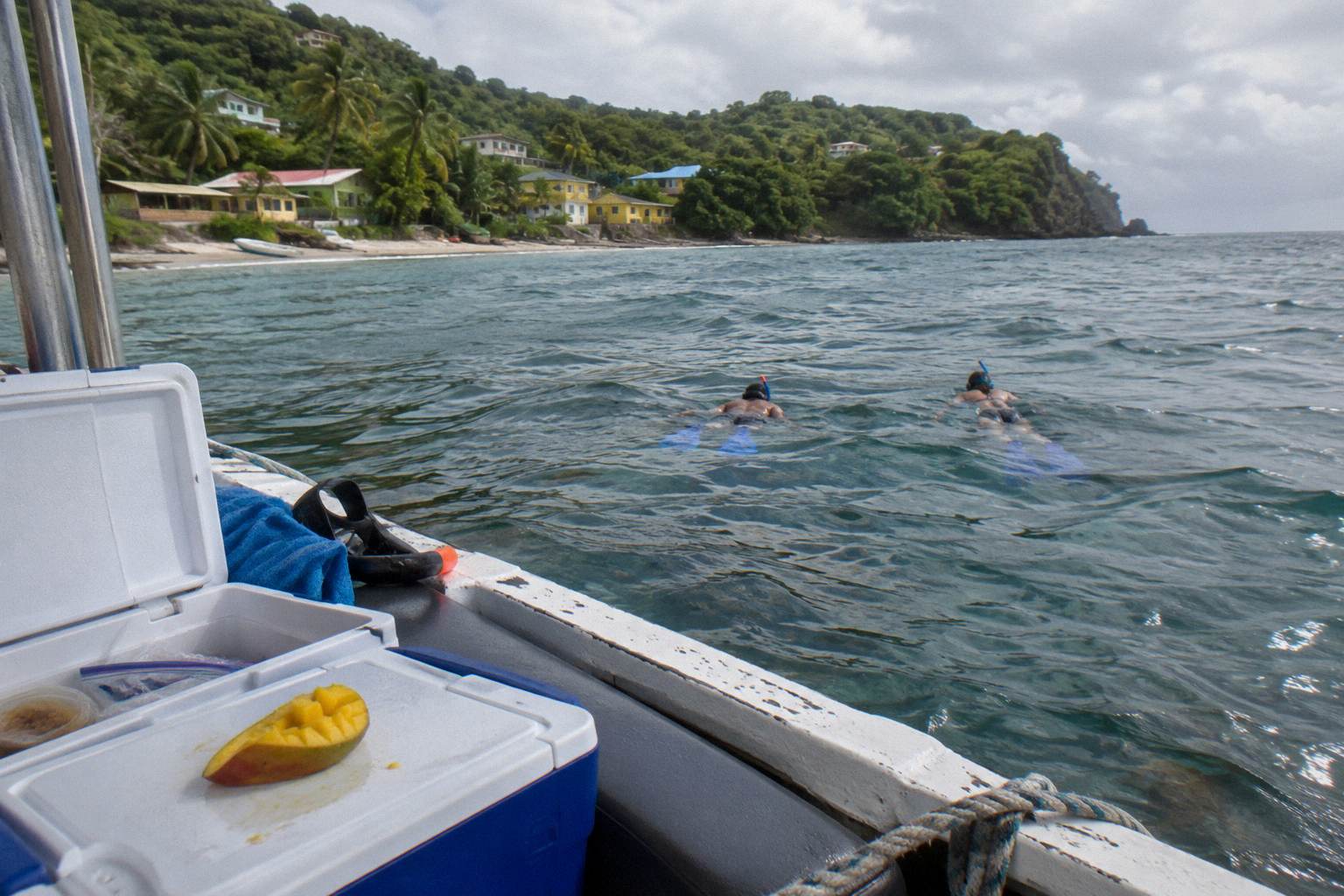
That single range carries a lot of planning weight. A band of 26 to 29 C means the difference between the coolest and warmest water anyone swims in around St Lucia is about three degrees. For comparison, that is a smaller swing than many temperate destinations see between morning and afternoon on one summer day. The practical consequence is that the decision about when to visit stops being about temperature and becomes about rain, wind, seas and crowds, which do move a great deal across the year.
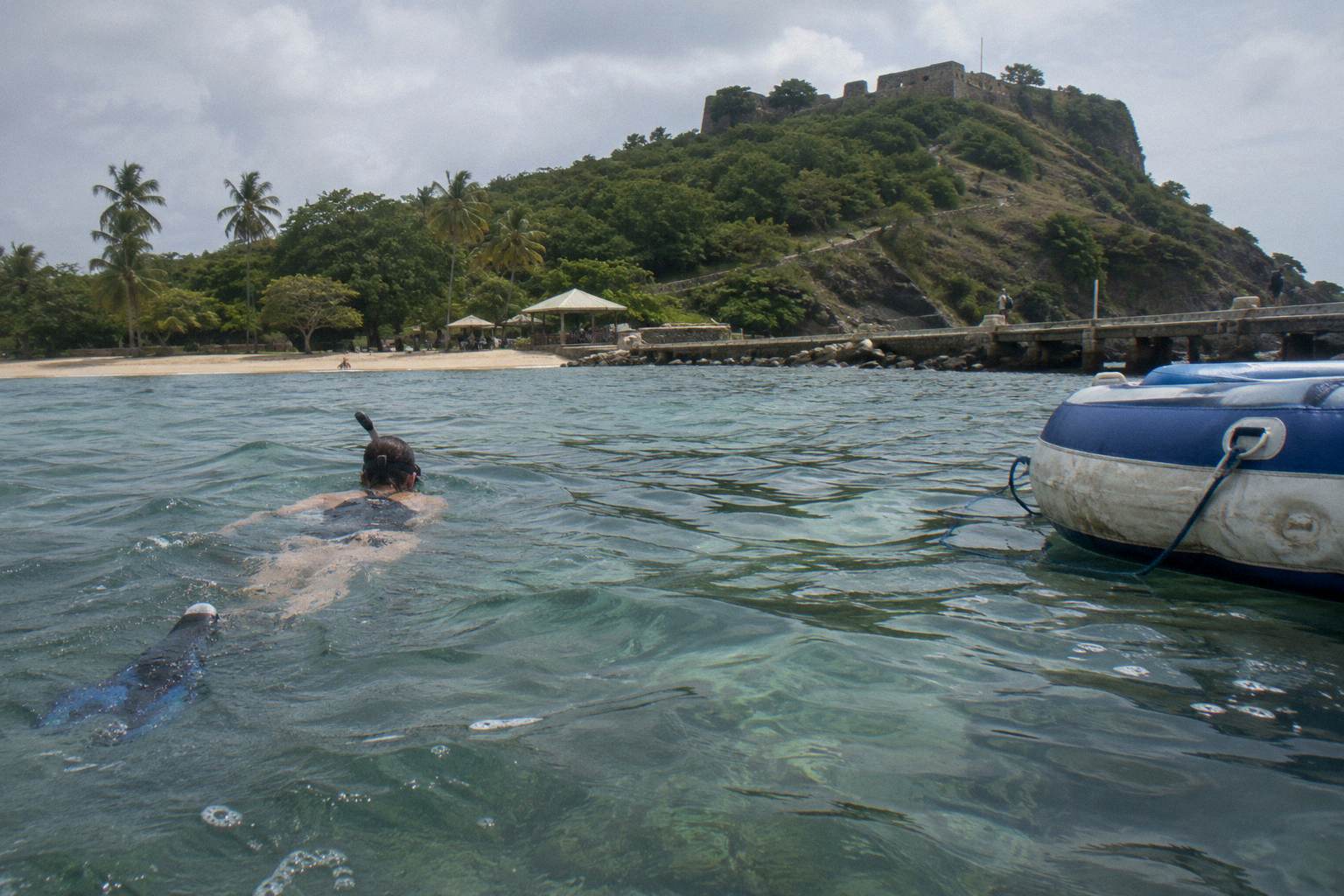
The Tourism Authority states the range on its snorkeling beaches page, alongside the two planning points that matter almost as much: morning offers the calmest water and clearest visibility, and certain beaches on the island are singled out for beginner snorkelers. Pigeon Island Beach appears on that list for its calm, sheltered water. None of that promises clarity on any particular day, but it tells you where the odds are friendliest and which part of the day to protect.
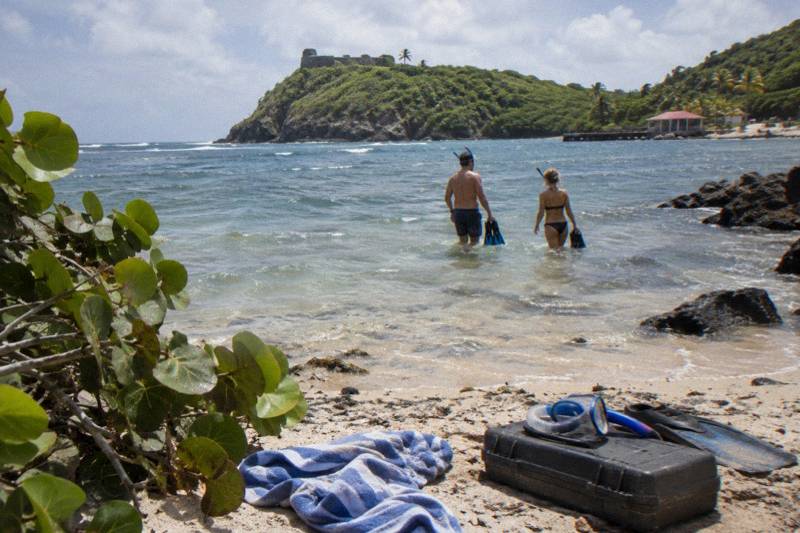
For anyone comparing activities, warmth removes one variable entirely. A beach snorkel from Pigeon Island, from US$70 per person with a minimum age of 6, a SNUBA session from US$112, or a seabed helmet walk from US$118 all happen in the same body of water, and none of them hinges on catching a warm window. The Pigeon Island beach snorkeling tour runs from the operator's own beach on the north of the island, in the kind of sheltered corner the Tourism Authority points beginners toward.
It also changes what goes in the bag. Swimsuits and reef-safe sunscreen, which the Tourism Authority recommends, cover the short formats. Towels and a dry change of clothes matter more than any thermal layer. The one planning item worth real thought is sun protection for longer sessions, since a 5-hour boat day with lunch exposes more skin to the tropical sun than a 90-minute beach session, and the same page's guidance on never touching coral or marine life applies across all of them.
When Is The Water Clearest And Calmest In St Lucia
Mornings, according to the Tourism Authority, which names morning as the time of the calmest water and clearest visibility around the island. Wind and boat traffic both build later in the day. Tour start times are chosen on the booking calendar, so the way to act on this is simple: check the calendar early and take the earliest slot your day allows.
The morning effect is the single most actionable fact here, and it costs nothing to use. Whatever the season, whatever the coast, the hours before the wind picks up are when the surface flattens and the view underwater is at its best. A family planning a helmet walk at Pigeon Island, or a first SNUBA session, gains more from booking an early slot than from agonising over which month to visit. The rule applies equally to photographers and to nervous first-timers who want the easiest possible conditions.
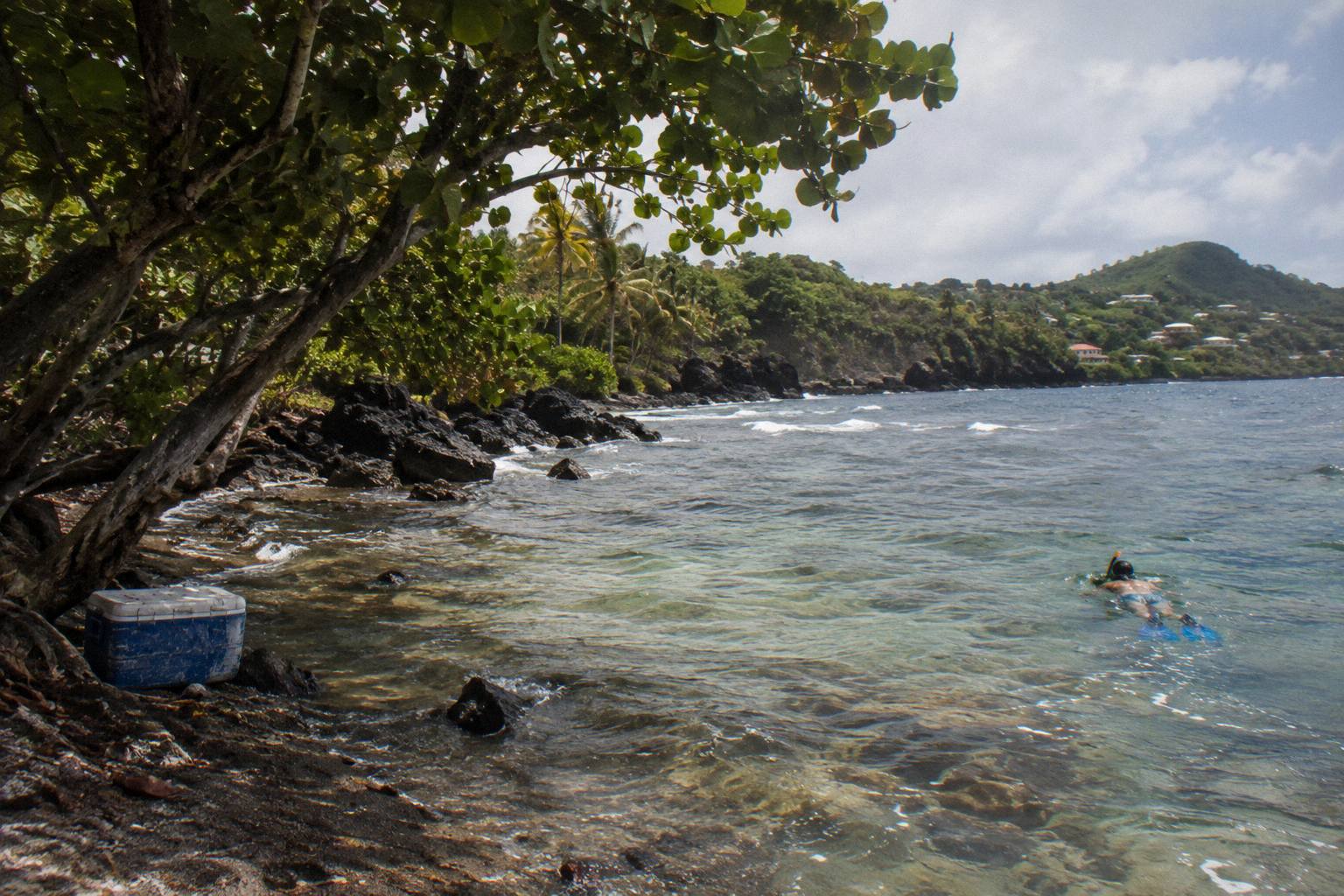
The second lever is location. The west, Caribbean coast generally offers calmer waters than the Atlantic side, which is why nearly every beginner product among the tours on this site, from the Pigeon Island helmet walk to the Marigot Bay snorkel boats, sits on that coast. When a swell does run, sheltered bays and beaches inside national landmarks take the edge off it in ways open stretches of shoreline do not. None of this is a promise of glassy water on your date; it is a statement about where conditions are usually gentler.
The third lever is the calendar. Dry season, December to April, brings the driest and busiest stretch of the year, while the rainy season from June to December delivers showers that are usually brief rather than all-day soakers. A shower does not make the sea cold, and the 26 to 29 C range holds through the wet months, but heavy rain can stir runoff and cut visibility near river mouths and bays for a while afterward. Booking in the dry season trades cost and crowds for the most settled weather.
A fourth lever, easy to overlook, is boat traffic. The main cruise season runs October to April, with up to five ships in Castries on a single day, and busy anchorages mean more wake, more engines and more churn near the popular stops later in the day. That reinforces the morning rule twice over in high season: the earlier you are in the water, the more of the calm window you own before the day's traffic builds around the island's most visited bays.
Does The Sea Warm Up Or Cool Down Through The Year
No printed month-by-month sea temperature exists for St Lucia from an official source, and no month-specific sea figure should be trusted in a brochure or forum post. What is official is the annual range, 26 to 29 C, and it applies year round. Air temperature and rainfall do move month to month, and the table below shows that rhythm, which shapes how a water day feels.
The monthly figures below come from a climate reference site rather than the Tourism Authority, so treat them as averages for planning, not forecasts. Two patterns stand out: air temperature barely moves, holding a narrow band around 26 to 28 C, while rainfall swings from a dry-season low of about 65 mm in March to a wet-season high of about 250 mm in October. Rain, not warmth, is the variable that changes through your calendar.
| Month | Average Air Temperature (C) | Average Rainfall (mm) |
|---|---|---|
| January | 26 | 105 |
| February | 26 | 70 |
| March | 26.5 | 65 |
| April | 27.4 | 85 |
| May | 28.1 | 105 |
| June | 28 | 155 |
| July | 28 | 200 |
| August | 28.1 | 220 |
| September | 28.2 | 205 |
| October | 27.8 | 250 |
| November | 27.4 | 235 |
| December | 26.6 | 130 |
Read the table as a rain calendar, because that is its real use. February through April is the driest stretch, which is also the busiest, and a wet-month booking is not a write-off: showers in the rainy season are usually brief, and the hours around them can still be fine on the water. The months with the highest averages, July through November, are exactly the hurricane-season months, which raises a different set of questions covered further down.
What The Temperature Range Means For Each Water Activity
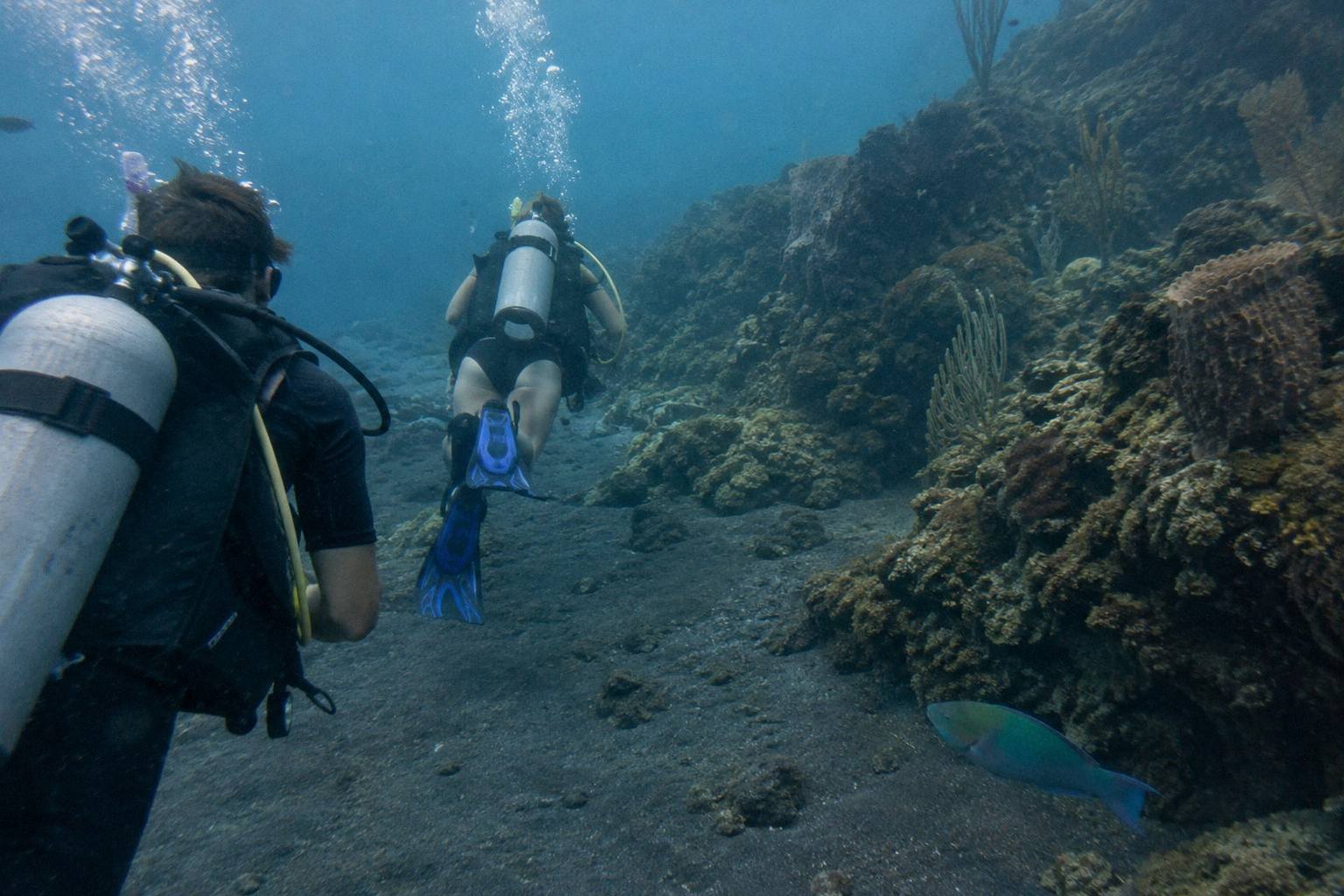
At 26 to 29 C, every activity in the tours on this site happens in water warm enough that cold is rarely the deciding factor. A beach snorkel, a helmet walk, a SNUBA session and a first scuba dive all sit in the same thermal band, so the choice comes down to format, depth preference, age minimums and price. The one gear interaction is scuba, where the certified dive line carries a wet suit as an extra cost.
That last point deserves precision, because it is easy to overstate. The certified scuba tour from Marigot Bay, from US$116 per person with a 4.6 rating from 71 reviews, names a wet suit among its excluded items, at additional cost if available. That is the only wet suit line on any product here, and it belongs to that tour alone. No other tour compared mentions exposure suits at all, which fits the fact that a session of about 25 minutes underwater, the helmet walk's stated duration split, sits in bath-warm water for most of the year.
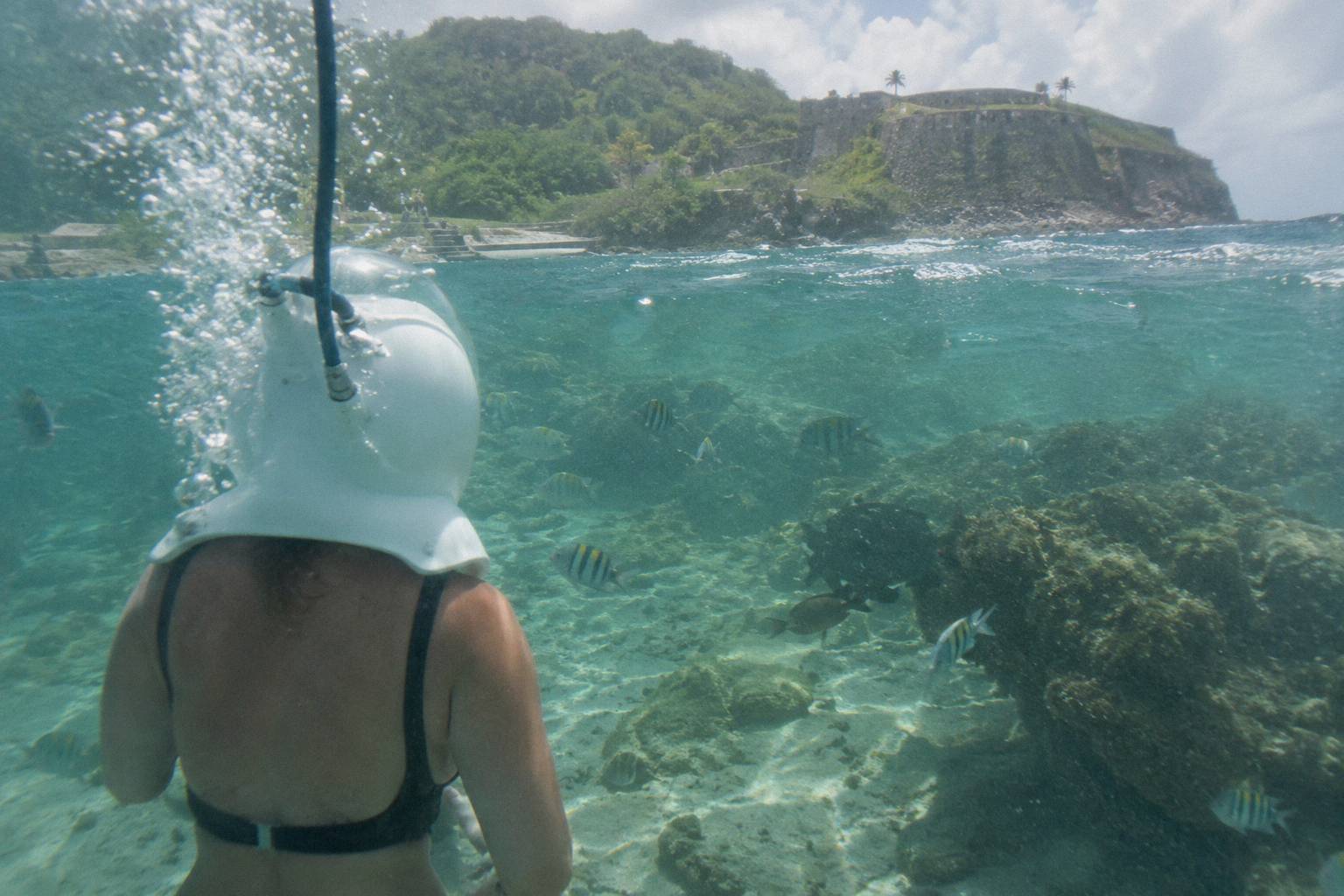
For the shorter formats, the planning logic runs the other way: the question is not thermal protection but comfort on the surface. A helmet walk keeps the head and face dry, in the manufacturer's description, with air supplied from the surface, so the only skin in the water is below the shoulders. A beach snorkel is a full-body float but short, at 1 hour 30 minutes including time on the sand. SNUBA sits between, with a regulator fed from a floating raft and no tank on the back.
| Activity | From Price (Per Person) | Duration | Minimum Age | Swimming Needed |
|---|---|---|---|---|
| Beach snorkel at Pigeon Island | from US$70 | 1 hour 30 minutes | 6 | Yes |
| SNUBA at Pigeon Island | from US$112 | 1 hour 30 minutes | 8 | Not confirmed as required at booking |
| Seabed helmet walk | from US$118 | 1 hour 30 minutes | 8 | No |
| Beginner scuba, Marigot Bay | from US$132 | 5 hours | 12 | Not confirmed as required at booking |
Prices are US dollars, vary by date and group, and the booking page shows the price for the date you choose. All amounts are in US dollars. The table's swimming column is worth a second look, since the manufacturer states plainly that no swimming skill is needed for the helmet walk, while both snorkeling formats carry a swimming-ability requirement in the tours on this site.
For a household mixing ages and confidence levels, temperature is the one box everyone ticks without discussion. The decision then rests on the columns that do differ: the beach snorkel admits children from 6, SNUBA and the helmet walk from 8, beginner scuba from 12, and the day lengths run from 1 hour 30 minutes to 5 hours. None of those choices is constrained by the water ever being too cold.
The duration split inside the short sessions matters too. The helmet walk runs 1 hour 30 minutes in total, of which about 10 minutes is briefing and about 25 minutes is spent underwater, so the majority of the booking is surface time, gear and guidance rather than immersion. In warm water that is a comfortable ratio for children and for adults who are unsure about the whole idea. The SNUBA session shares the same 1 hour 30 minute total with a group maximum of 14, which makes both formats easy to slot into a morning before the day heats up.
How Rain And Hurricane Season Affect Underwater Conditions
The hurricane season runs June 1 to November 30 and overlaps the rainy season, and that is the window where a water day carries weather risk worth booking around. Rain does not chill the sea, and the 26 to 29 C range holds through these months. Storms can stir the water, and operators decide day by day what runs. A Holiday Guarantee allows cancellation or rescheduling in a hurricane.
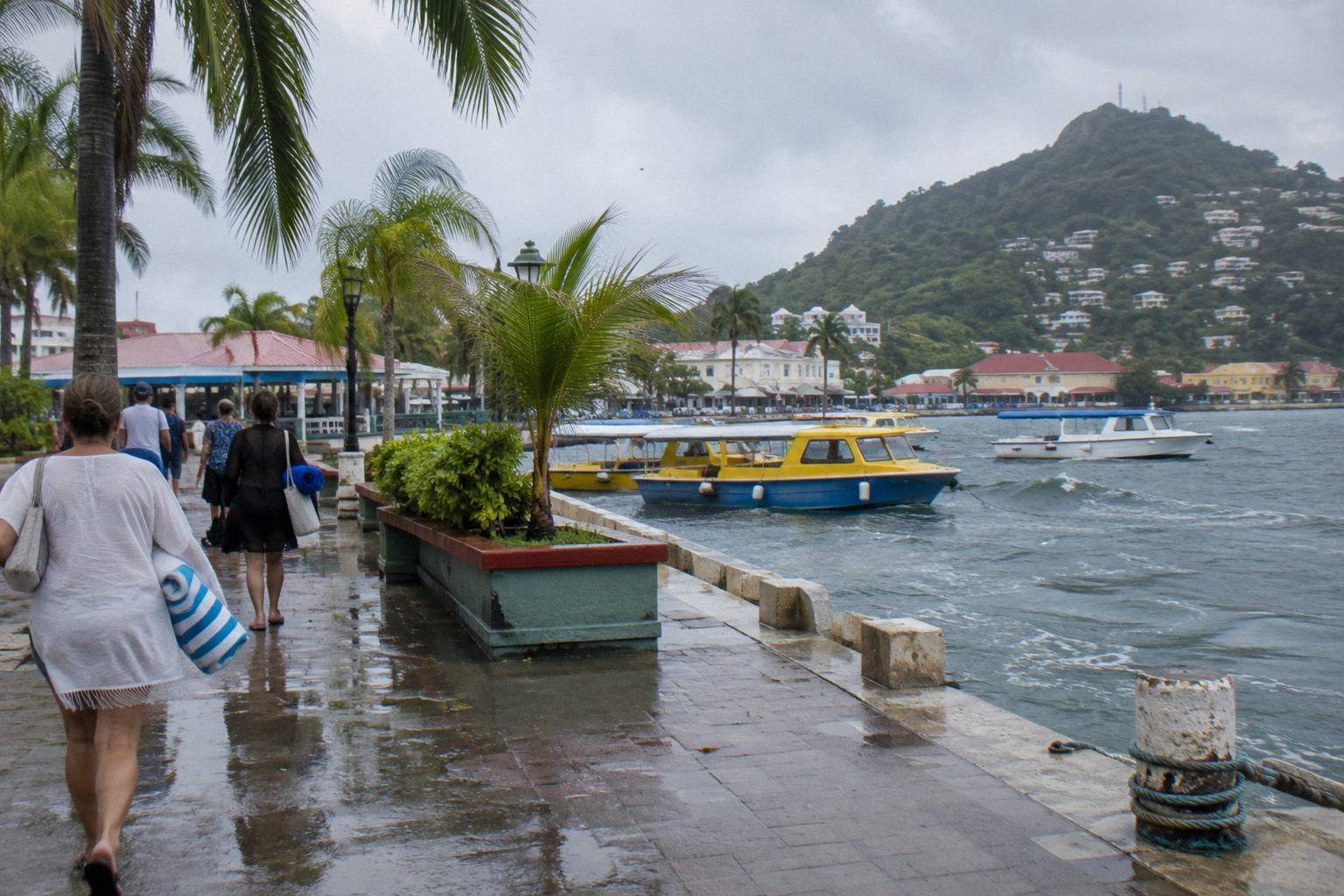
What rain does underwater is mechanical rather than thermal. A heavy shower dumps freshwater and runoff, which can cloud bays temporarily, and sustained weather roughens the surface and cuts the view. The monthly table above shows why July through November carries the most weather risk: those are the highest rainfall averages and they sit squarely inside hurricane season. The counterweight is that the rainy season is also the quiet season, with lower demand and brief showers rather than day-long rain being the norm.
The US National Hurricane Center publishes the official season dates on its climatology page, and the Tourism Authority's travel seasons and weather page covers the same window alongside the Holiday Guarantee. Every product on the tours on this site also carries free cancellation up to 24 hours before the start, which pairs sensibly with a wet-season booking: you keep the flexibility, and the operator keeps the call on whether conditions allow the session to run.
For longer formats the weather question scales up. The full-day snorkel excursion from Soufriere, from US$250 per person with a 5 rating from 69 reviews, spends 5 hours on the water with lunch and drinks, so a rough morning costs it more than a 90-minute beach session. The private boat option, from US$200 per person, runs 4 to 6 hours with pickup from Castries, Marigot Bay or Rodney Bay. In the wet months, the short, sheltered formats are the safer planning bet, and the morning rule matters more, not less.
A wet-season booking also rewards a fallback plan. Because the rainy season overlaps the cruise season's October start, the island is not empty in these months, and the same sheltered northern venues keep running when the south-west swell picks up. Pairing a morning water session with an afternoon ashore, at the museum and military ruins inside Pigeon Island National Landmark, gives a wet month a shape that a washout cannot ruin. The landmark is open daily 9:30 am to 5:00 pm with last entry at 4:15 pm and is closed December 25, the National Trust's hours.
Which Coast Has The Better Water Conditions
The west, Caribbean coast generally offers calmer waters, in the Tourism Authority's own words, and every beginner product compared here departs from it: Pigeon Island and Rodney Bay in the north, Marigot Bay on the west coast. The Atlantic side is not part of these tours' geography at all. For a first underwater experience, choosing the west coast is a default, not a preference.
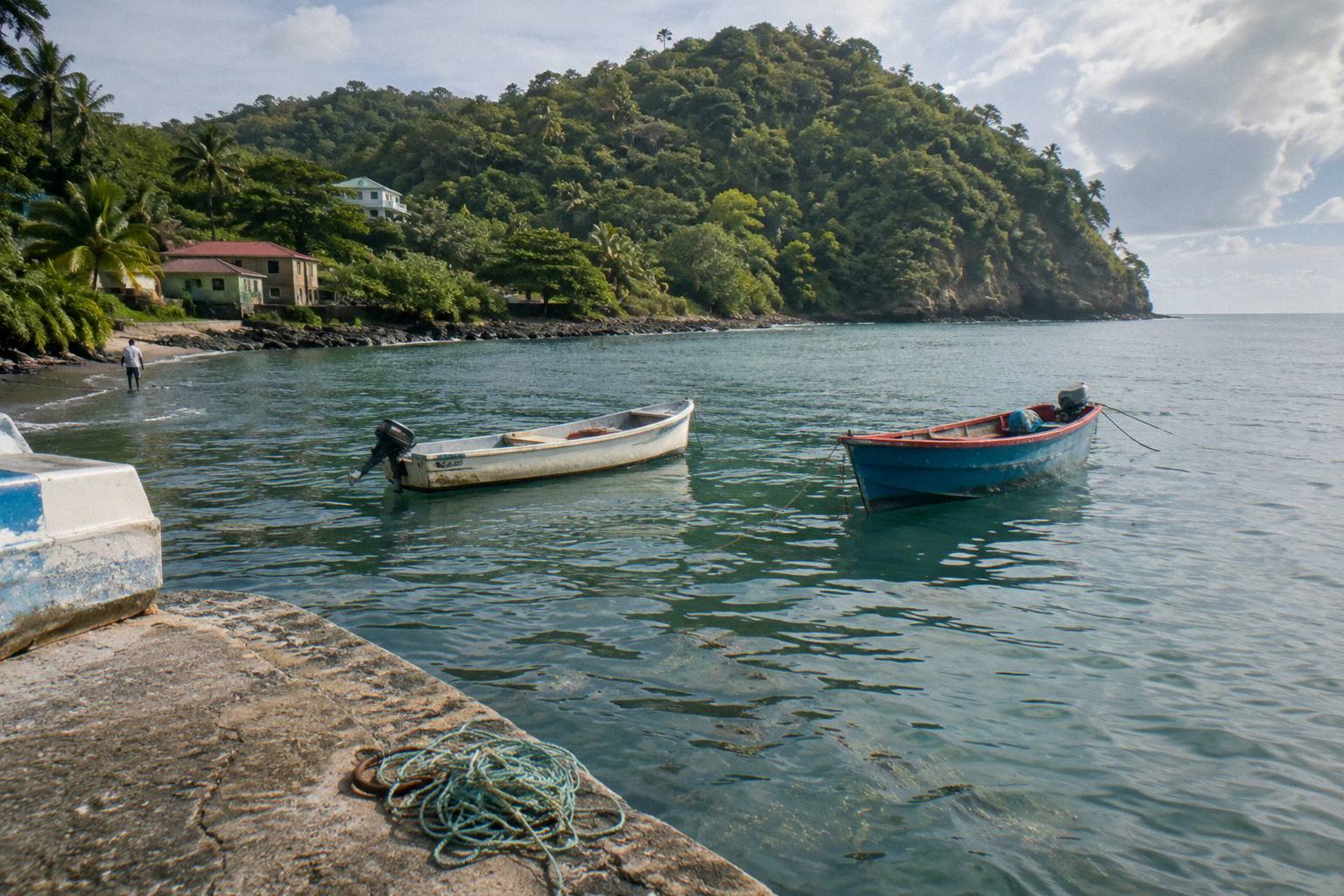
The calmer-coast point comes with safety context the Tourism Authority also supplies: many beaches have no lifeguards, never snorkel alone, mind boat traffic, use reef-safe sunscreen and never touch coral or marine life. Those lines apply wherever you swim, but they bite hardest where conditions are marginal, which is another argument for the west coast and its gentler seas. The agency's beach safety guidance is worth reading in full before a first snorkel.
Within the west coast, the tours on this site split into two clusters, and the split is worth seeing side by side because it decides pickup logistics as much as water conditions.
| Departure Cluster | Products Based There | Pickup Coverage |
|---|---|---|
| Pigeon Island, Gros Islet | Beach snorkel, SNUBA, seabed helmet walk | Hotels in the north of the island only |
| Marigot Bay, west coast | Beginner scuba, certified scuba, boat snorkel with lunch | Northern to western island locations, not the south |
| Castries, Marigot Bay or Rodney Bay docks | Private boat to Soufriere | Port pickup, or hotels with their own docks |
The Sealife Paradise products, the helmet walk, SNUBA and the beach snorkel, all depart from Pigeon Island in Gros Islet. The Dive Fair Helen products, the two scuba tours and the boat snorkel with lunch, depart from Marigot Bay, and the southern exclusion on their pickup lines is explicit: no collection from Soufriere, Vieux Fort, Micoud or Dennery. The private boat tour is the most flexible of the three on meeting points, and the only one with port pickup at Castries.
Sea temperature plays no part in the coast decision, since the 26 to 29 C band describes the island's water as a whole. What differs is exposure: the west faces the Caribbean, the gentler basin, and the north's landmark-enclosed beaches add another layer of shelter on top. A cruise passenger with one day, or a family staying in the Rodney Bay area, gets the shortest, calmest water route by choosing the Pigeon Island products, and the getting to Pigeon Island guide covers those logistics in detail.
What Trips People Up When Planning Around Water Conditions
Three mistakes recur. First, treating sea temperature as a monthly decision when the official range is annual, 26 to 29 C, and never cold. Second, ignoring the morning rule, the one free upgrade the Tourism Authority hands out. Third, booking wet-season dates without reading cancellation terms, when every product here allows free cancellation up to 24 hours before the start but weather calls belong to the operator.
The fourth trap is trusting invented precision. Monthly sea temperature charts circulate on travel forums with decimal-point differences between months, and visibility figures get quoted as if they were scheduled. No official month-by-month sea temperature exists for St Lucia, and no visibility number is printable here. What is verifiable is the annual range, the morning guidance, the calmer west coast and the rain calendar, and that is enough to plan with.
The fifth is gear creep. Warm water does not automatically mean no exposure suit for everyone: the certified scuba line alone names a wet suit as an extra cost, because longer and deeper dives can make one welcome even in the tropics. But extending that logic to a 25-minute helmet walk or a beach float is backwards. Match the gear question to the format, not to a vague memory of cold water elsewhere.
The sixth is coast confusion on short stays. A day visitor booked into a southern hotel faces a long transfer to the northern departure points, since the Marigot Bay products exclude southern pickup outright and the Pigeon Island products include northern hotels only. Check pickup coverage before you fall for a tour, not after, and see the best time of year guide for the seasonal side of that decision. Whether a first-timer needs a wetsuit at all, and what the temperature range means for comfort, is covered in the helmet diving cost guide alongside the price comparison.
For all of it, St Lucia Helmet Dive keeps the tour details, prices and booking links in one place, so the planning and the purchase sit together.
Common Questions About Sea Temperature And Underwater Conditions In St Lucia
What Is The Water Temperature In St Lucia?
Sea temperatures stay between 26 and 29 C (79 to 84 F) throughout the year, per the Tourism Authority. The range is annual rather than monthly, and no official month-by-month sea temperature exists, so treat any monthly chart you see elsewhere with caution.
When Is The Water Clearest In St Lucia?
Morning offers the calmest water and clearest visibility, per the Tourism Authority, whatever the season. Tour start times are chosen on the booking calendar, so check the calendar early and take the earliest slot your day allows.
Which Coast Of St Lucia Has Calmer Water?
The west, Caribbean coast generally offers calmer waters, per the Tourism Authority. Every beginner product compared departs from that coast, at Pigeon Island, Rodney Bay, Castries or Marigot Bay.
Do I Need A Wetsuit To Snorkel Or Dive In St Lucia?
For short sessions in 26 to 29 C water, most people snorkel without one. The only tour compared that names a wet suit is the certified scuba tour, which carries it as an additional cost if available, since longer dives can make one welcome.
Does Rain Affect Snorkeling Conditions In St Lucia?
Rain does not chill the sea, and the temperature range holds year round, but heavy rain can stir runoff and cloud bays temporarily. Rainy season showers are usually brief. Weather calls on whether a session runs belong to the operator.
Is Hurricane Season A Bad Time To Book A Water Tour?
It is a riskier window, not a closed one. The season runs June 1 to November 30, the Tourism Authority notes a Holiday Guarantee allowing cancellation or rescheduling in the event of a hurricane, and every tour here allows free cancellation up to 24 hours before the start.